


Source: Widely attributed to Pablo Picasso; the quotation appears in published discussions of creativity, but a definitive primary source has not been established
Like others in our Quote of the Day series, Pablo Picasso's warning that “The chief enemy of creativity is ‘good’ sense” is one of those bits of artistic advice that sounds simple enough until you start applying it to the way we actually make things now.
The chief enemy of creativity is ‘good’ sense
Pablo Picasso
Because, obviously, good sense is usually a useful thing. It tells you when an idea is going nowhere, when a composition isn't working, when a client needs something delivered tomorrow, and you shouldn't spend six hours experimenting with a new brush. Picasso wasn't really arguing that artists should throw judgement, skill, and intelligence out the window; he was really saying we need to avoid creating work that feels safe, familiar, and easy to approve, which feels harder today when social media exists.
The quote is widely attributed to Picasso and appears in plenty of collections of his sayings, books, and academic references, although the original source for this exact wording isn't firmly established. Either way, the idea feels remarkably current, particularly for anyone making digital art now.

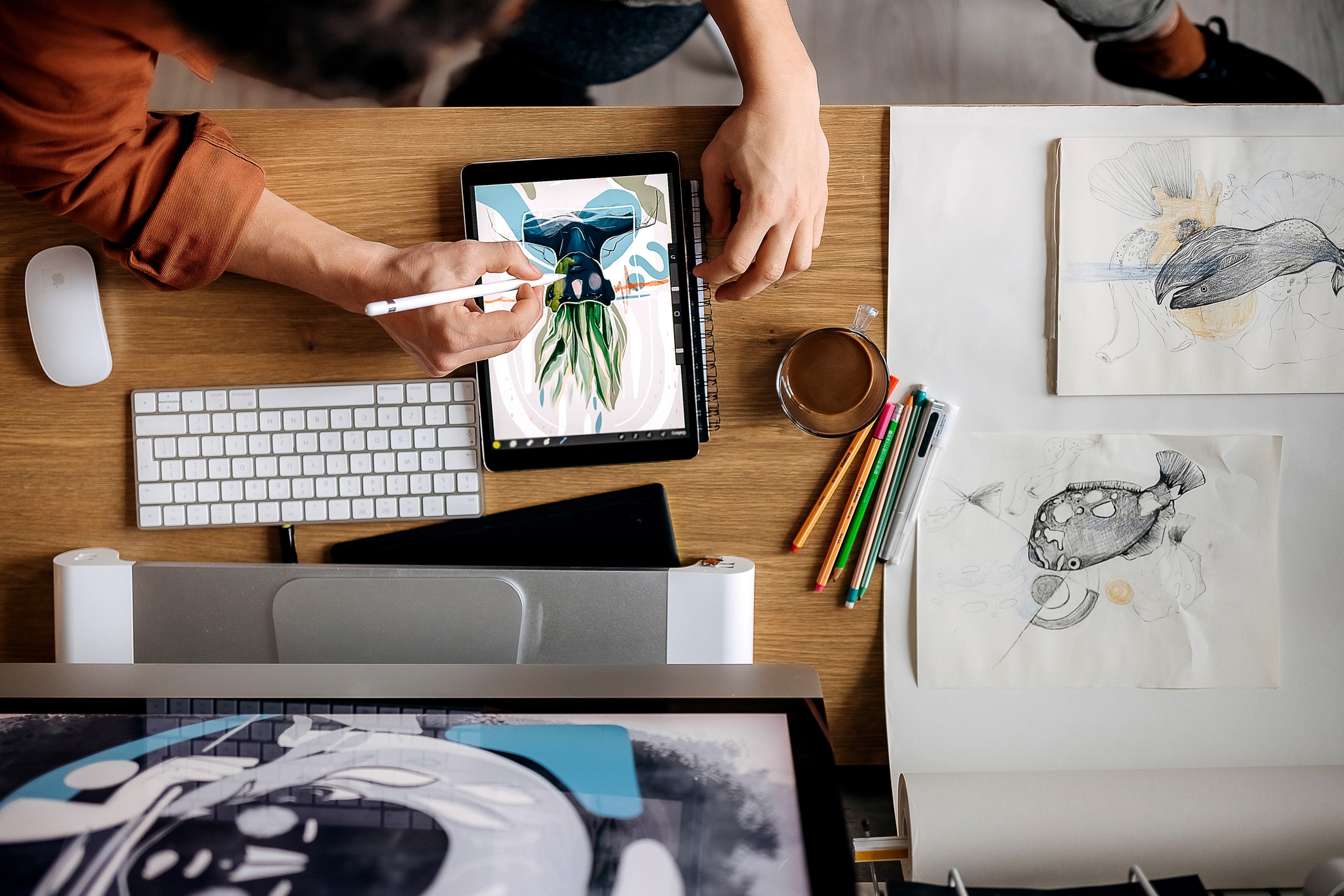
Now, “good sense” has picked up a few new meanings. It can mean making the kind of art that performs well on Instagram, following the visual style everyone seems to be using this month, choosing the best digital art software everybody else uses, even when it isn't necessarily the right app or tool for what you're trying to make.
It can also be that little voice you hear when you open a blank canvas and immediately start thinking about whether the finished image will get likes, attract clients, fit your portfolio or help build your career. It's a little sad these days that these can be our first goals, instead of simply creating something for ourselves.
But these remain perfectly sensible questions. But that can also be the problem Picasso was trying to avoid. Start thinking about them too early, and they can suck the life out of an idea before you've really had a chance to find out what it could become. The algorithm doesn't care whether an experiment was interesting; it cares whether people stop scrolling, and once you start thinking like that, it's too easy to put creative ideas aside in favour of the 'sensible' one.

Planning and thinking this way can mean everything gets too optimised too early – the composition, colours, aspect ratio, software, workflow, and even how quickly you can make it. Picasso's advice nudges you in the other direction, asking you to leave room for a stupid idea or two and have some fun. Try the unnatural composition or pick the brush you normally wouldn't touch. Perhaps make something that doesn't fit neatly into your portfolio or choose a limited colour palette you've never used before. Follow an idea that makes absolutely no commercial sense and, perhaps most importantly, don't feel obliged to turn every experiment into a finished piece of content. Sometimes it's good to let ideas just exist unfinished, because they were just fun to try, up to a point.
Reflecting on Picasso's quote feels particularly useful now because there are so many tools for creating the best digital art and 3D art, whether it's references, brushes, layers, AI tools and feedback, than ever before, and all of them can tell you what has already worked and help you do things faster. The harder thing is following an idea before you know whether it works. In a creative world increasingly shaped by algorithms and technology that can predict what people are likely to want to see, there might be more value than ever in making something nobody asked for.
The best Picasso books to inspire: