





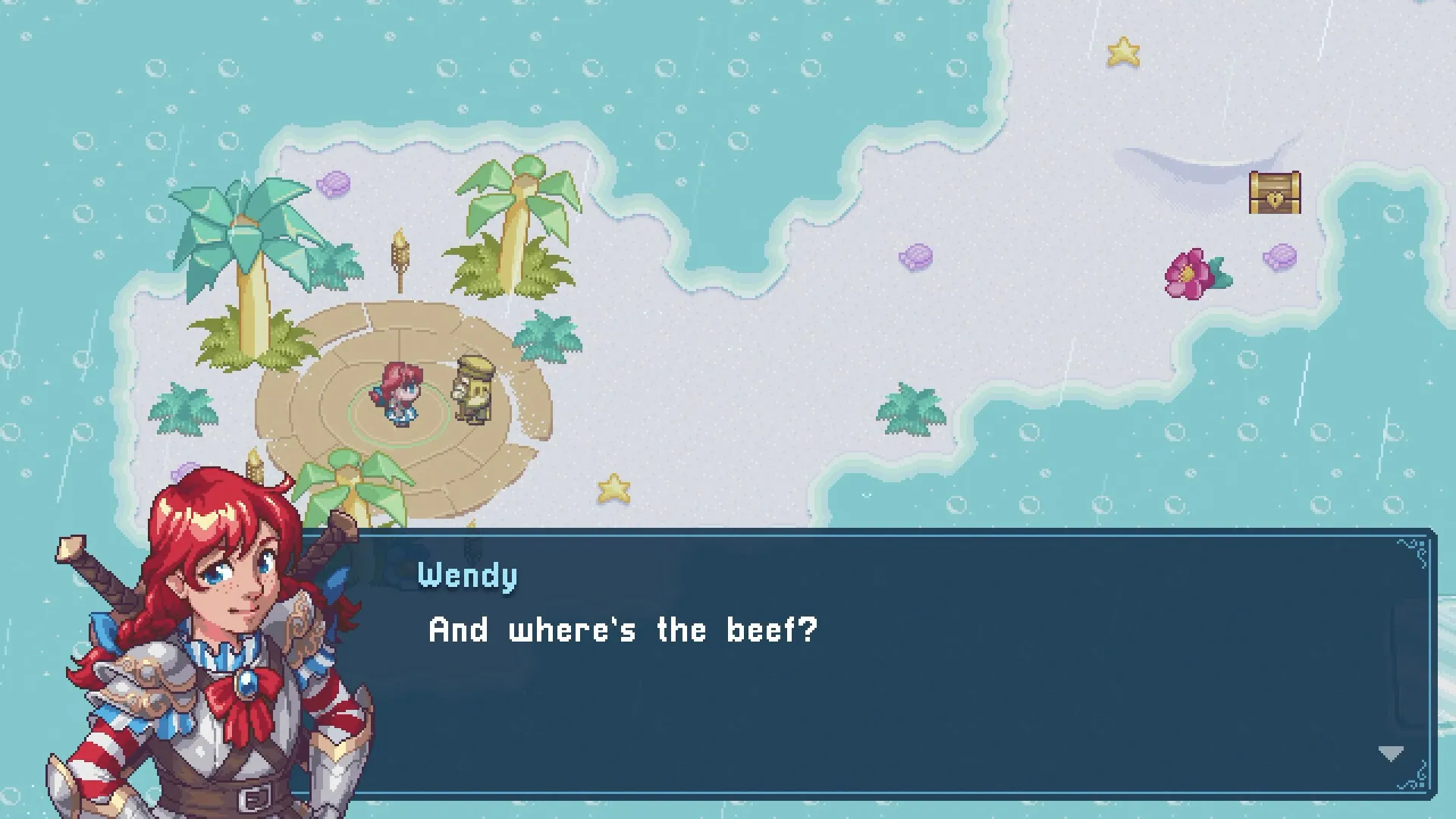
If you’d told me a decade ago that Wendy's would release one of the most talked-about indie RPGs of 2026, I’d have assumed your burger had some dodgy mushrooms. Yet here we are: it's actually happening.
The world's third-largest hamburger fast-food chain has unveiled a turn-based, pixel-art adventure in which its red-haired mascot leads a party of fast-food heroes to save a kingdom in peril. It's called WendyQuest: Legend of the Four Corner Stones. No, this is not a South Park parody. This is a real, playable game.
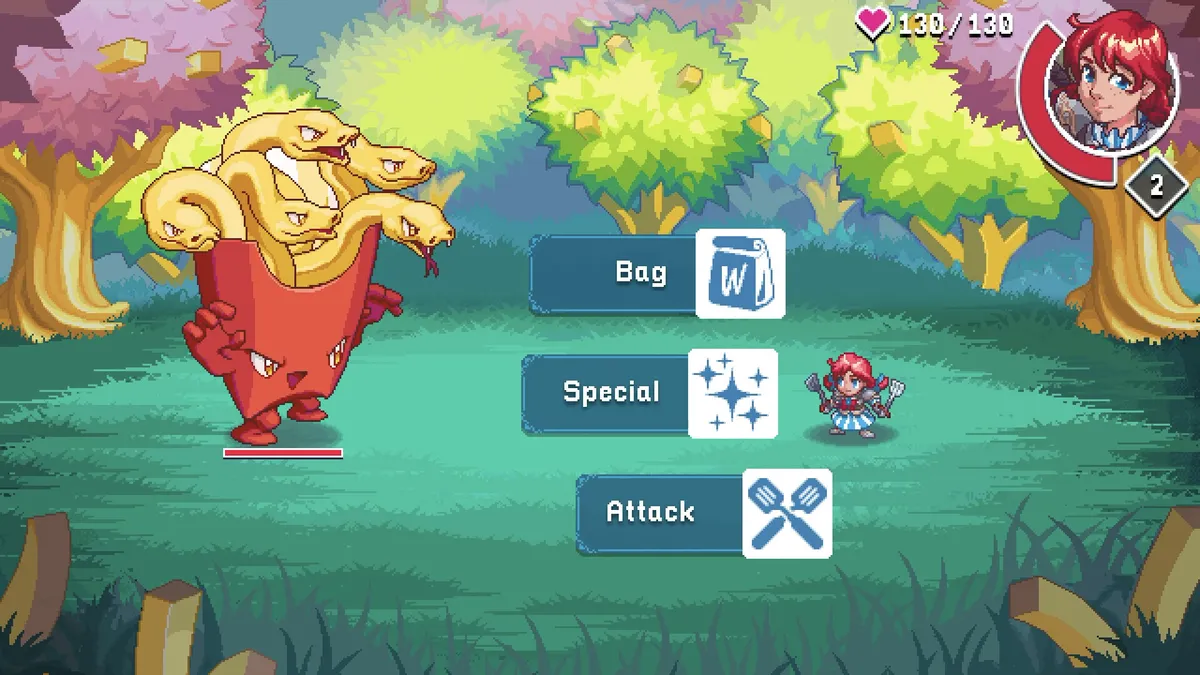
The branded element isn't just about bigging up Wendy's either: it also takes potshots at rivals. In the game, for example, your enemies include Frydusa, a carton of snake-like French fries, and a gang called the Golden Archers. As a dig at McDonald’s, it's not subtle.
81monkeys, an indie studio in Port Moody, British Columbia, is making the game, and it’s heading to Steam. You might expect something so obviously corporate to either get trounced on social media or get ignored and sink without a trace. At the time of writing, though, gamers mostly seem to be asking… why it looks so good.
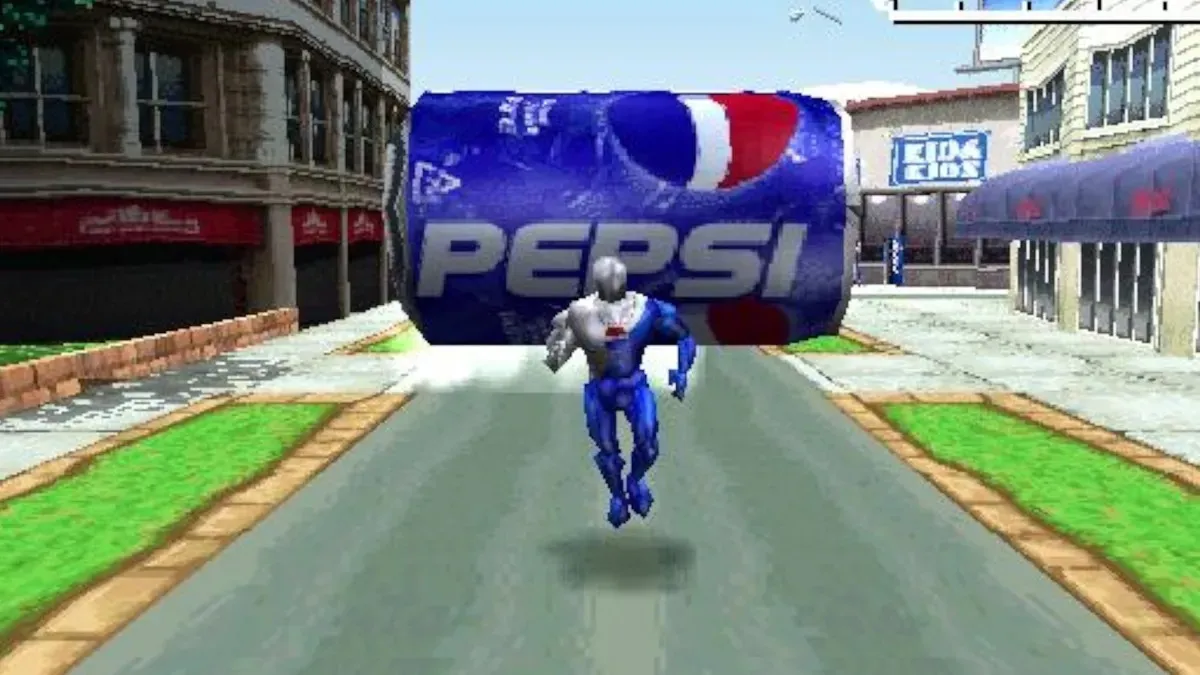
There's more. Last summer, Pepsi asked on social media whether it should make a video game. It was buried in replies pointing out that it already had. One came from Kotaro Uchikoshi, now a celebrated visual-novel director (yes, that's a thing now), who'd worked on 1999’s Pepsiman and was offering to reconnect the company with the original team.
Branded games are clearly back on the menu. The question is… why? Well, first it's worth noting that we've been here before.
Branded game have a long tradition
Domino’s Avoid the Noid in 1989 is widely cited as the first fast-food tie-in game. McDonald’s followed with Global Gladiators, which is considered one of the best platformers of its era. Then there was Cool Spot, starring the red dot from 7 Up’s American logo, which you could play on the SNES and Mega Drive in 1993 and, branding tie-in aside, is a genuinely brilliant 2D platform game.
The original Pepsiman, though, remains the king of the branded games. Released only in Japan (which always helps cult status), it showed a superhero sprinting through cities to deliver Pepsi cans. And it remains much-loved: these days, copies go for hundreds of dollars on sites like eBay.
Then came Burger King's 2006 experiment. The chain sold three branded Xbox games for $3.99, including the infamous stealth title Sneak King, as long as you bought a value meal (sold separately). BK ended up shifting more than 3.2 million copies in total.
KFC was late to the party, only joining the fun in 2019 with I Love You, Colonel Sanders! A Finger Lickin’ Good Dating Simulator. The parody dating sim got flayed by critics, but players loved it, giving it a 91% positive rating on Steam.
From a branding perspective, what's interesting is that these weren’t just adverts with gameplay bolted on. They were proper games that people actually liked, even if reviewers were somewhat sniffy. So why are they coming back now? It's difficult to say, but I think a few factors are in play.
Reasons for the return of ad-gaming
First, the original branded games' child audience is now an adult audience with money, and nostalgia is a powerful force. Second, it’s far easier to distribute games today. While Burger King once had to manufacture physical copies and distribute them to restaurants, now Wendy’s just needs a Steam page.
Thirdly, traditional advertising is struggling to break through ad blockers, ad-free subscriptions and a general lack of interest. In contrast, people actually like a branded game. They might even actively seek it out.
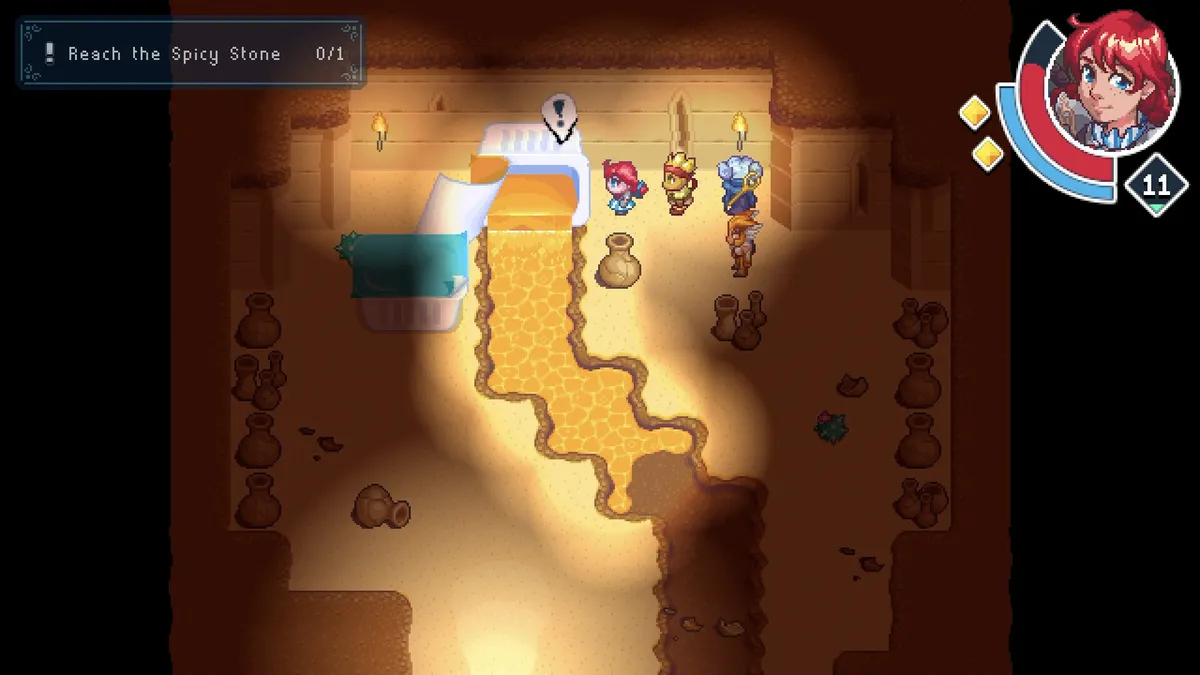
Finally, there's the backlash against AI. Wendy's Steam page proudly declares its game “100% fresh and 100% human-made” for a reason. As we all drown in AI slop, handcrafted, indie-style pixel art becomes a visual statement of brand values.
Will they succeed?
None of this, of course, guarantees that these games will succeed. For every Global Gladiators there’s a Sneak King, a game remembered more as a curio than for its gameplay. The brands that get this right treat players as players, not targets for ads.
So will WendyQuest join Pepsiman in the hall of fame, or end up in the bargain bin of history? I have no clue. But if a burger chain can get me excited about a turn-based RPG, its marketing team must be doing something right. And Pepsi, if you’re reading: Uchikoshi’s offer is still on the table.