






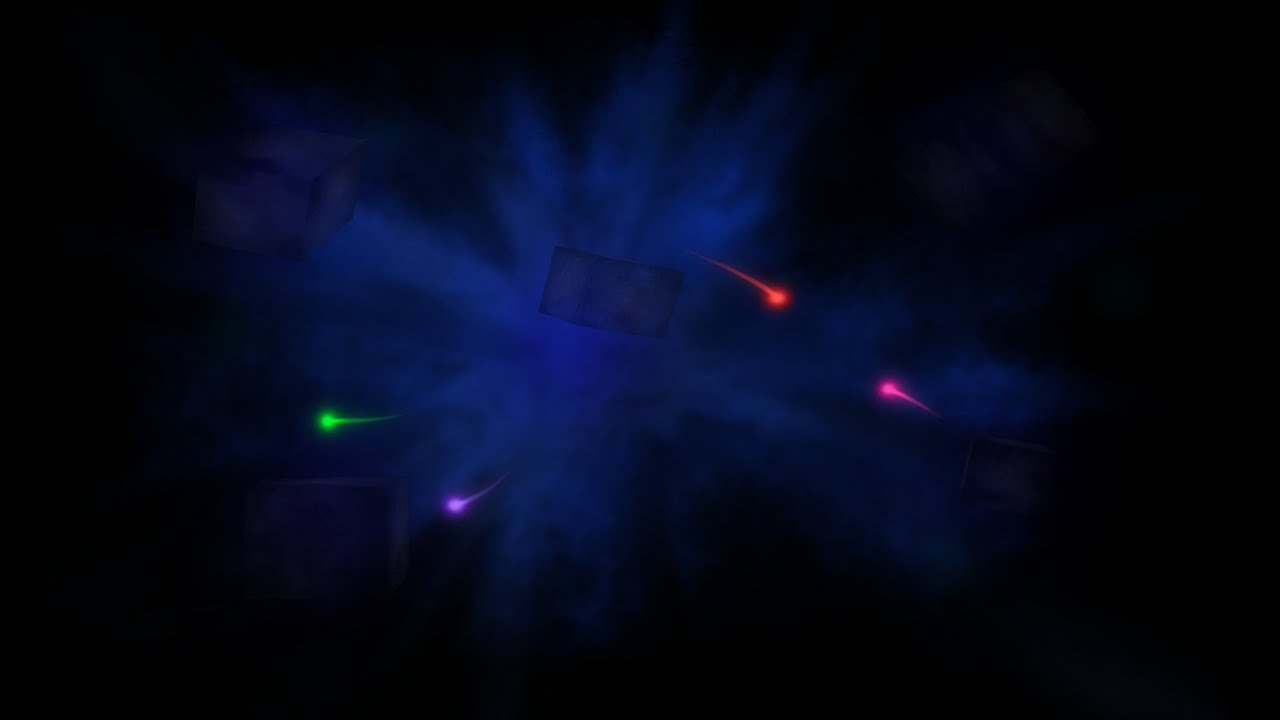
There’s a short ritual that plays out every time someone switches on a PlayStation. You press the power button and, before the dashboard appears, movement and sound take over, building through a sequence before the console hands you over to play. It lasts only seconds, but those seconds have a beginning, a build, a pause and a release. They are designed as an experience in their own right.
For more than thirty years, every generation of PlayStation has opened with its own version of this sequence. The motion, visual language and sound have changed but the decision to design that transition has remained. What could easily be functional downtime has instead become part of the PlayStation experience. It rivals the best motion in logo design, but it also has its own function as well.
The gap is not empty
That intent goes back to the beginning. When Manabu Sakamoto designed the original PlayStation logo, he wanted it to capture one of the console’s defining promises: 3D. The interlocking P and S created a sense of depth and space rather than simply sitting flat on a 2D screen. By spring 1994, that identity had been turned into an animation, handed to sound designer Takafumi Fujisawa as what the team called a “motion logo.”
Fujisawa was given little direction beyond that animation and had to set the tone himself, working within tight technical limits. He wanted the startup to feel like walking into a cinema. That particular hush where you sense something is about to begin.
A straight cut from power-on to interface would give you a change of state and nothing else. Motion gives those few seconds structure; sound and visual design give them character. They are all working together, but motion is what determines how the experience unfolds through time.
When the moment does a job
The startup’s primary job isn’t just to create an ‘atmosphere’, as it also helps organise the experience of entering the console itself. The sequence tells the player that something is happening, creates a sense of progression, and makes the eventual handoff into play feel deliberate.
On the original PlayStation, it took on a more practical role. The startup sound helped confirm that the hardware was running correctly and that the disc had been read. If it hadn’t, part of the sound was designed to loop to signal that something was wrong.
The important point is that the startup was not simply decoration sitting on top of a technical process. Motion, sound and visual design were part of how that process was communicated and felt.
That is where motion becomes especially useful. It can signal change, control pace, create anticipation and prepare someone for what comes next.
The ritual outlives the function

Over time, the original function of that startup changed. Hardware changed, interfaces changed, and the need to tell a player that a disc had been successfully read stopped mattering. Yet, PlayStation kept designing the transition.
Five generations on, those startups have looked, moved and sounded very different. What has survived through that time is the expectation that switching on any PlayStation from PS1 to PS5 deserves an authored beginning.
That consistency does not always come from repeating the same expression. It sometimes (and in this case) comes from recognising which moments are the most valuable. PlayStation could change the way those seconds looked and felt because the thing it had established beforehand went beyond the mere execution of it.
Own the moment
Brands spend enormous amounts of time designing the things people see, whether it be the best logos, typefaces, colours, layouts or interfaces. But experiences are also full of moments between those things.
When an app opens, or a payment completes, an audience waits for something to begin. These transitions are easy to treat as functional gaps, especially when the instinct is to get people to the next thing as quickly as possible. The point, though, is not to add friction; it is to recognise that these moments already exist, and that repeated transitions can become part of the brand experience when they are deliberately designed.
Motion matters disproportionately in those spaces because it works in the same material the moment is made of: time. It determines how one state becomes another, and how that change is experienced along the way. PlayStation was able to make that transition worth designing and returning to in its own right.

