Ask any freelance designer how their career unfolded and you’ll quickly realise there’s no single blueprint. For some, being a generalist makes the most sense. The variety keeps them engaged and they find their clients value the breadth in expertise. For others, niching into a specific style or industry is what unlocks real momentum for their work.
‘Finding your niche’ as a designer is rarely a lightbulb moment. It’s often a gradual process of years of experimenting, taking on varied projects, slowly noticing what you're drawn to, what you're good at and hitting that sweet spot of where it all overlaps.
It’s a continuous learning curve that doesn't necessarily stop once you’ve found your footing. A survey of 10,000 freelancers carried out by 99design by Vista found that 60% of designers learn new skills through experimentation. Suggesting that curiosity continues to drive growth long into a designer’s career, regardless of the path taken.
So, if you’re weighing up whether to specialise or stay broad, here’s how six designers from the 99designs global community made that decision and how it shaped their creative journey.
1. Follow the thread over time
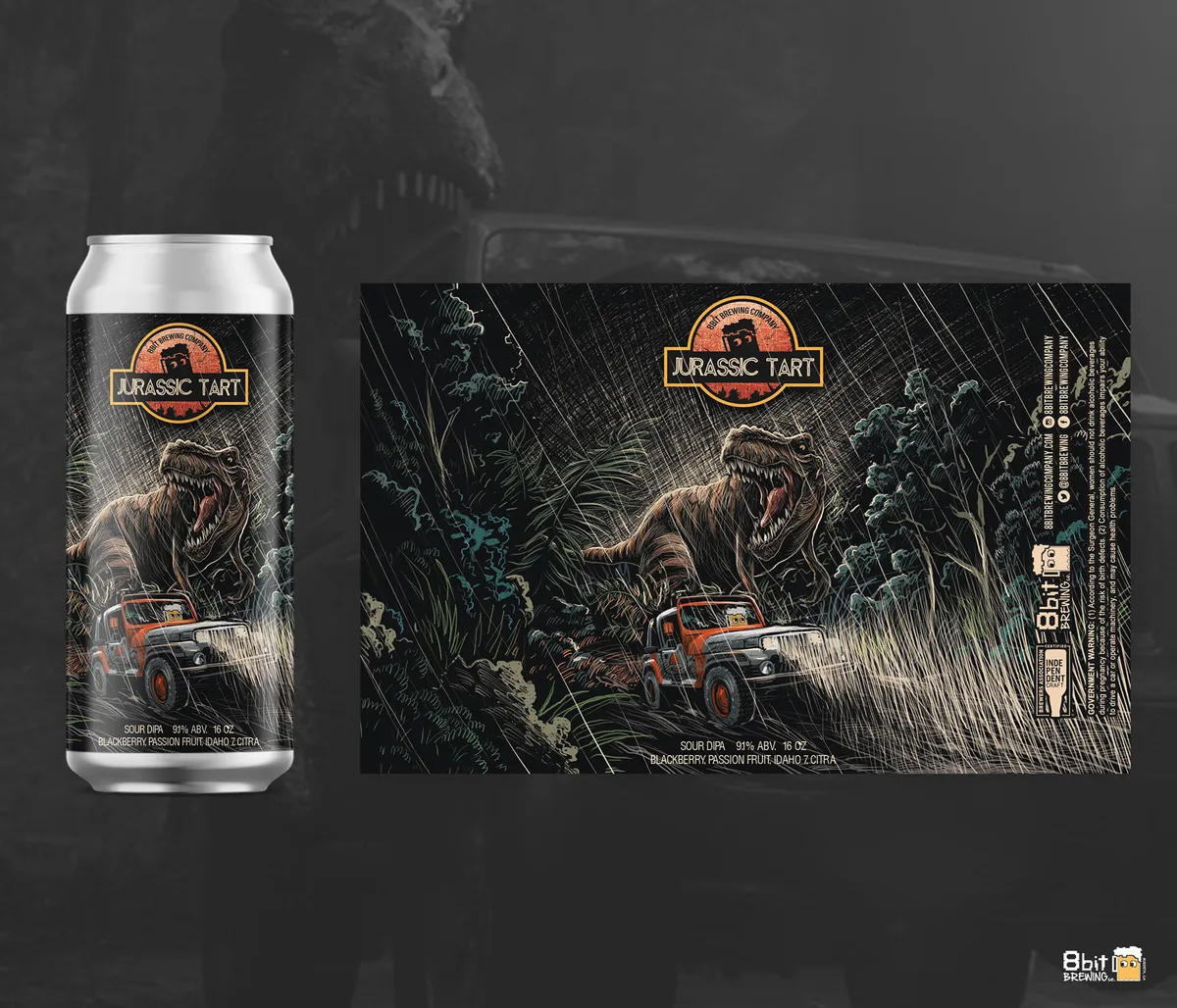
For -Z-, a digital painter and illustrator on 99designs with a background in architecture, a niche wasn’t something they chose in advance, but recognised in hindsight over a ten-year journey that started as a t-shirt designer.
“Along the way I became deeply drawn to the beauty of things humans create, exploring lots of different areas of visual art and design from logos and branding to 3D design and even fashion. Understanding the fundamentals like composition, colour and symbolism helped me appreciate a wide range of design forms and over time I found myself falling in love with digital painting and illustration.
"All those experiences and basic understandings slowly poured into my illustration work, shaping it bit by bit.” -Z-’s portfolio of long-standing repeat clients like 8 bit Brewing Company is testament to this patience and persistence in their craft.
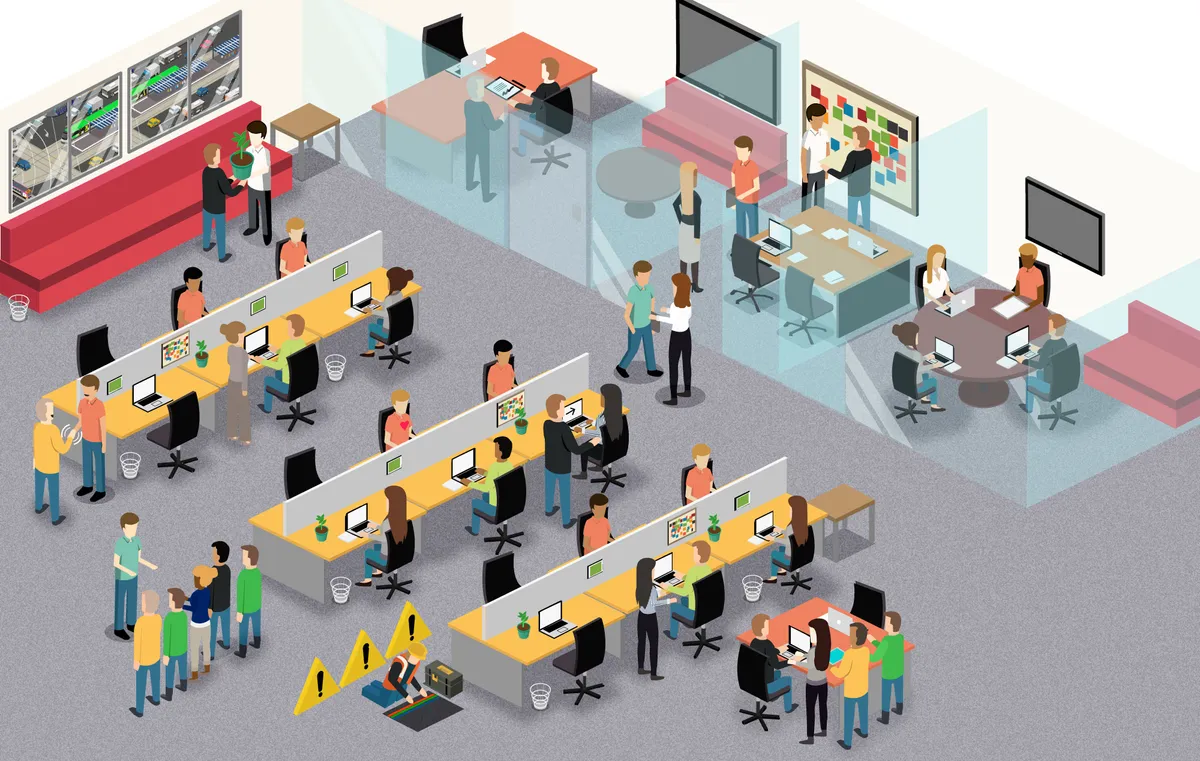
That willingness to explore widely before narrowing down is a pattern that comes up often when chatting to our community. Andrés Meneses, an infographic designer based in Colombia who joined 99designs back in 2013, traces his specialism back to a college class on infographics in 2014.
“I had always enjoyed illustrating and I naturally gravitated toward layout design and structuring information in a clear way. The combination of visual storytelling and information design really stuck with me.” It wasn't until Andrés started entering infographic contests two years later that he landed on isometric design as his signature style. A format that, as he puts it, “sits in a sweet spot: it's not as heavy or time consuming as full 3D perspective, but it communicates far more depth and context than flat 2D layouts."
“Focusing on isometric infographics helped me clarify my style, refine my process and attract projects that value clarity, storytelling, and structure as much as aesthetics.”
For -Z- and Andrés Meneses, their niche wasn’t something they chose upfront. Instead it was uncovered over time by leaning into what interested and excited them, then committing to the direction that brought those threads together.
2. Your background is an asset
For some designers, their niche is built from the skills or interests cultivated outside the design industry that quietly influence how they see and creatively solve problems.
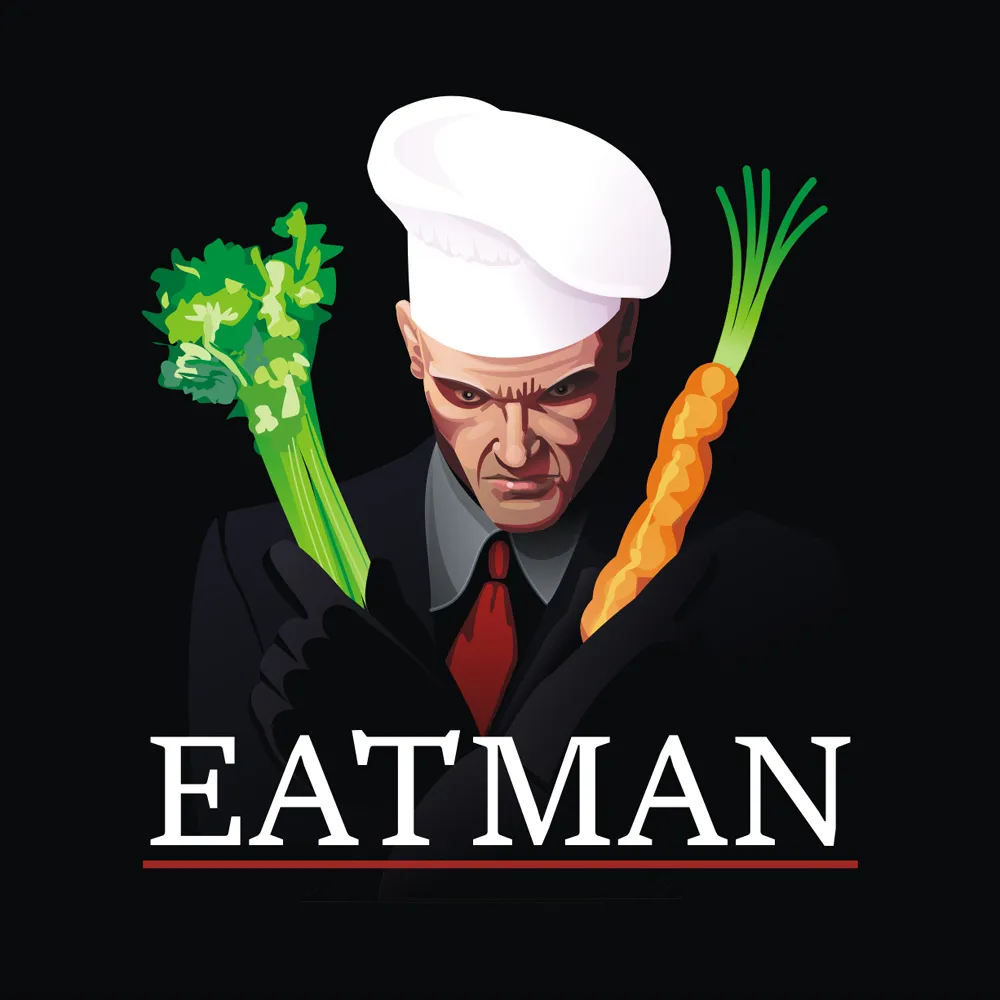
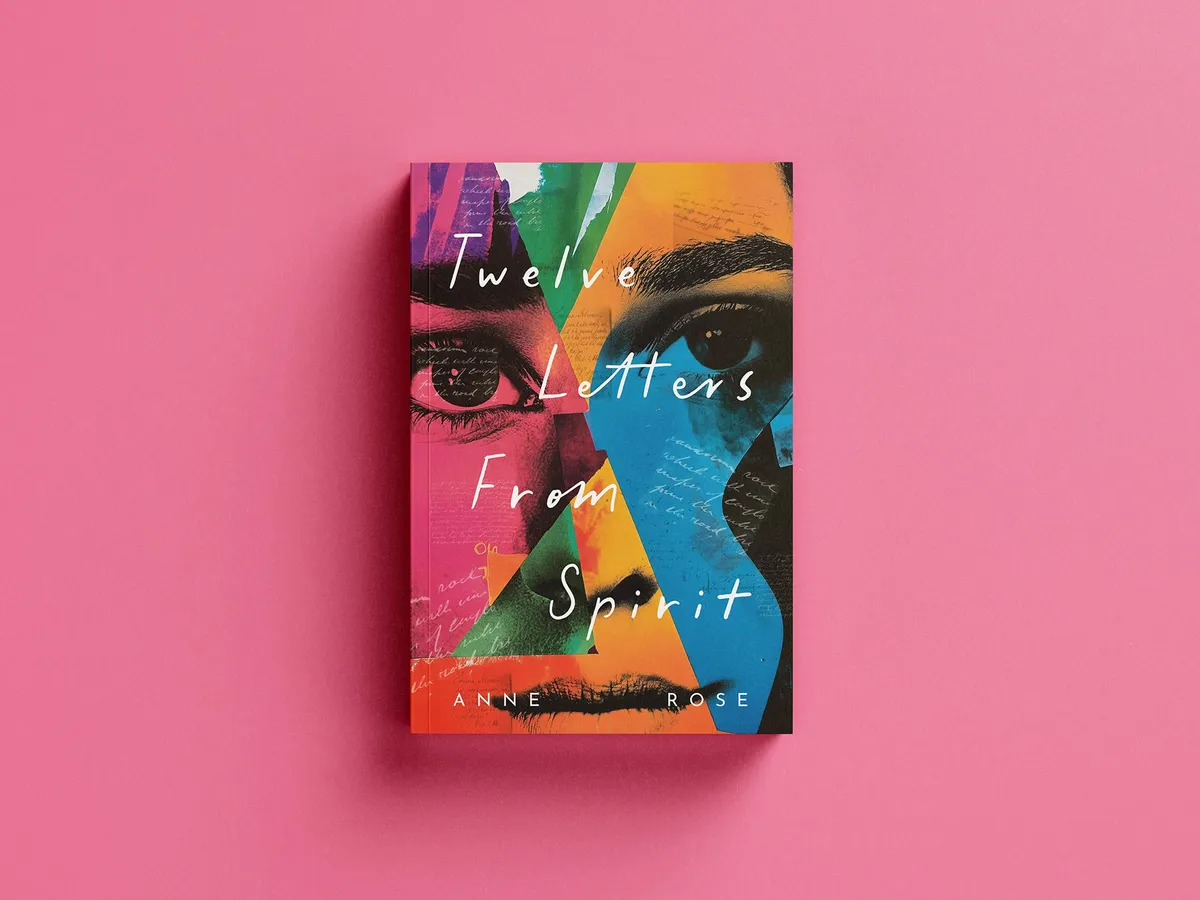
Just like -Z-'s architecture training that gave their digital illustration work a grounding in composition and spatial thinking, with over a decade of experience designing everything from logos, book covers, posters and character illustration, VectorArtist was able to blend their love of comics with a background in mathematics to craft their distinctive style.
“I grew up reading comics and adventure books and I loved drawing my own stories. I eventually studied Mathematics and particularly enjoyed the technical drawing involved. After I decided to go full time freelance design artist, I discovered vector graphics and the immense design power they hold. Vector design gave me the opportunity to integrate my appreciation for both creative ideas and geometry and develop my own way of illustration combining both real and cartoon aesthetics.”
3. Know the market, not just the craft
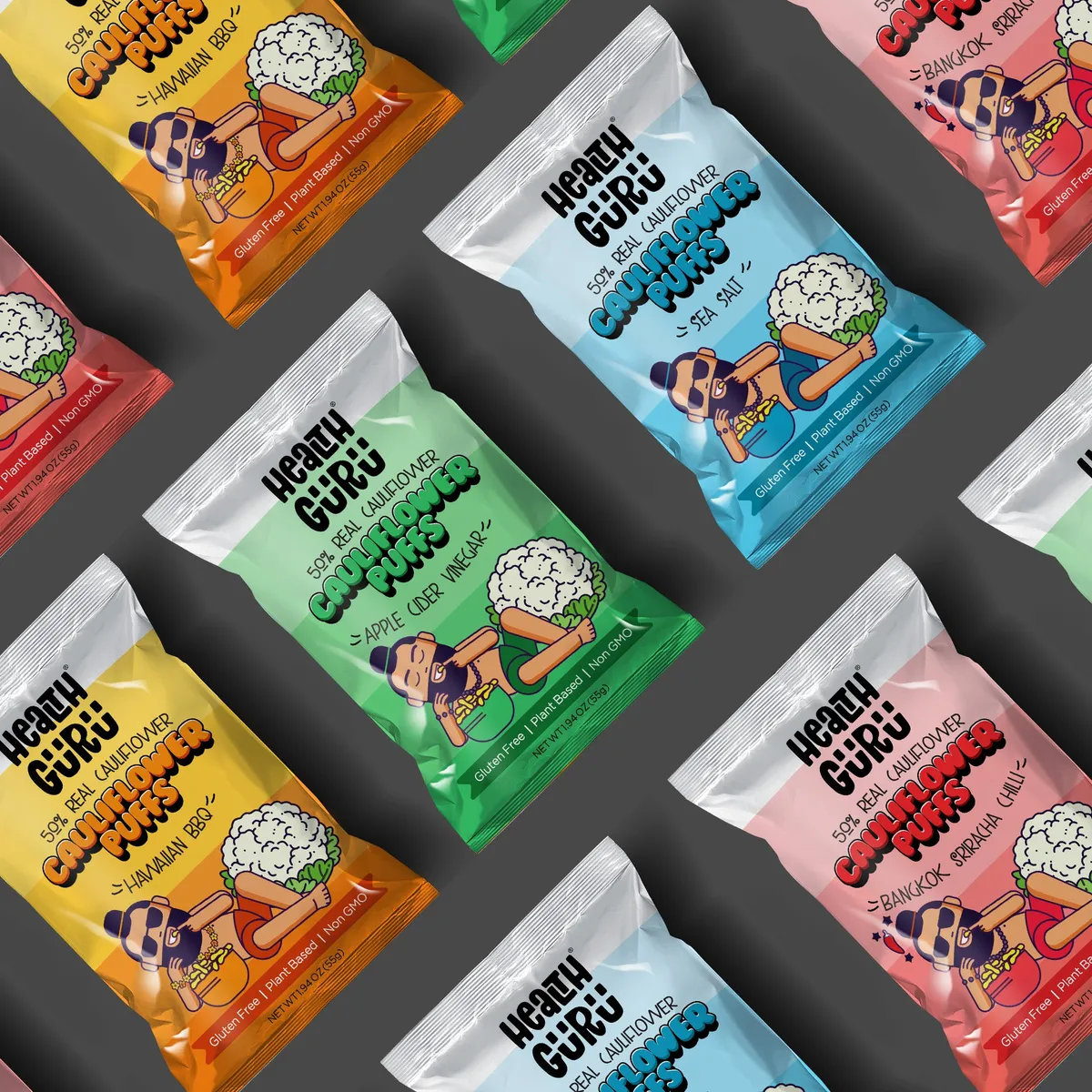
Packaging designer Gayan Madhawa Gonahena Hettiarachchige found their focus by paying attention to how design translates into real commercial outcomes. With over 115 contest wins, 730 1-1 projects and 120 repeat clients on 99designs, it’s a strategy that has helped them build a long and sustainable career.
“Over time, I found that I consistently enjoyed working on packaging projects where creativity meets real-world consumer impact. What helped me refine this niche was understanding how strong packaging design influences buying decisions through colour psychology, clear information hierarchy and visual storytelling.
"By focusing on packaging, I was able to develop a clean, bold and market-ready design style that helps products stand out on shelves and online. This specialisation also allowed me to attract clients specifically looking for high-quality product presentation.”
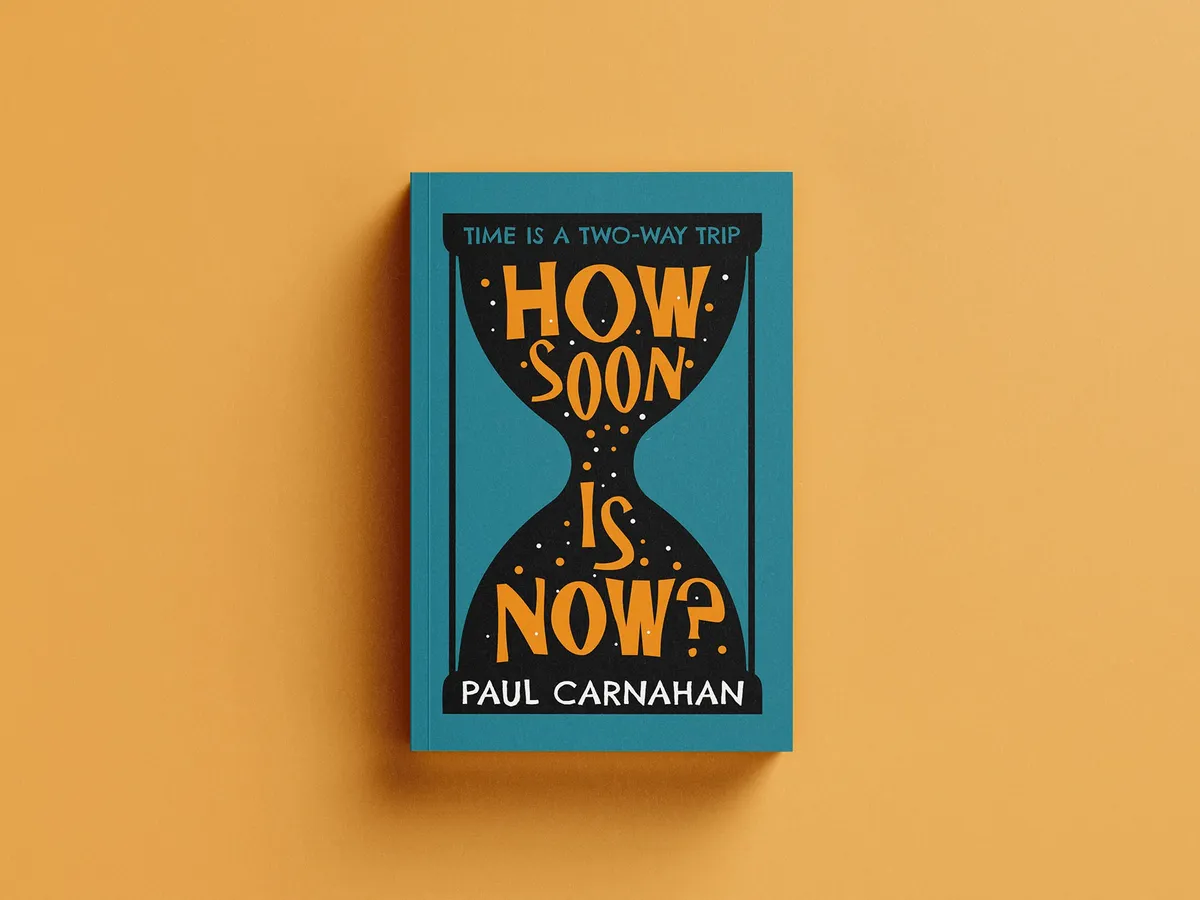
For book cover designer Boja, who has a portfolio on 99designs spanning 15 years, specialisation came from a combination of personal interests and professional strategy. After years as a full-stack graphic designer and art director, they found that book design sat at the intersection of their passion for reading and “everything I love about graphic design: typography, colour and minimalism.”
But it was their agency background that gave them an edge. “It shaped how I approach every book project – professionally, strategically and with a lot of thought. I dive deep into target audiences, demographics and cultural spaces where a book will live, so both the author and I can feel confident that the book ends up exactly where it belongs.”
Whatever you’re genuinely passionate about, whether it’s music, sport, reading or a specific area of business, lean into it and explore how you can creatively solve problems for clients in that space. It can be a long and winding road, but for Boja, it was this combination of a passion and deep industry understanding that helped her move from doing “a little bit of everything” to where her niche lies today.
4. Let your style speak for itself
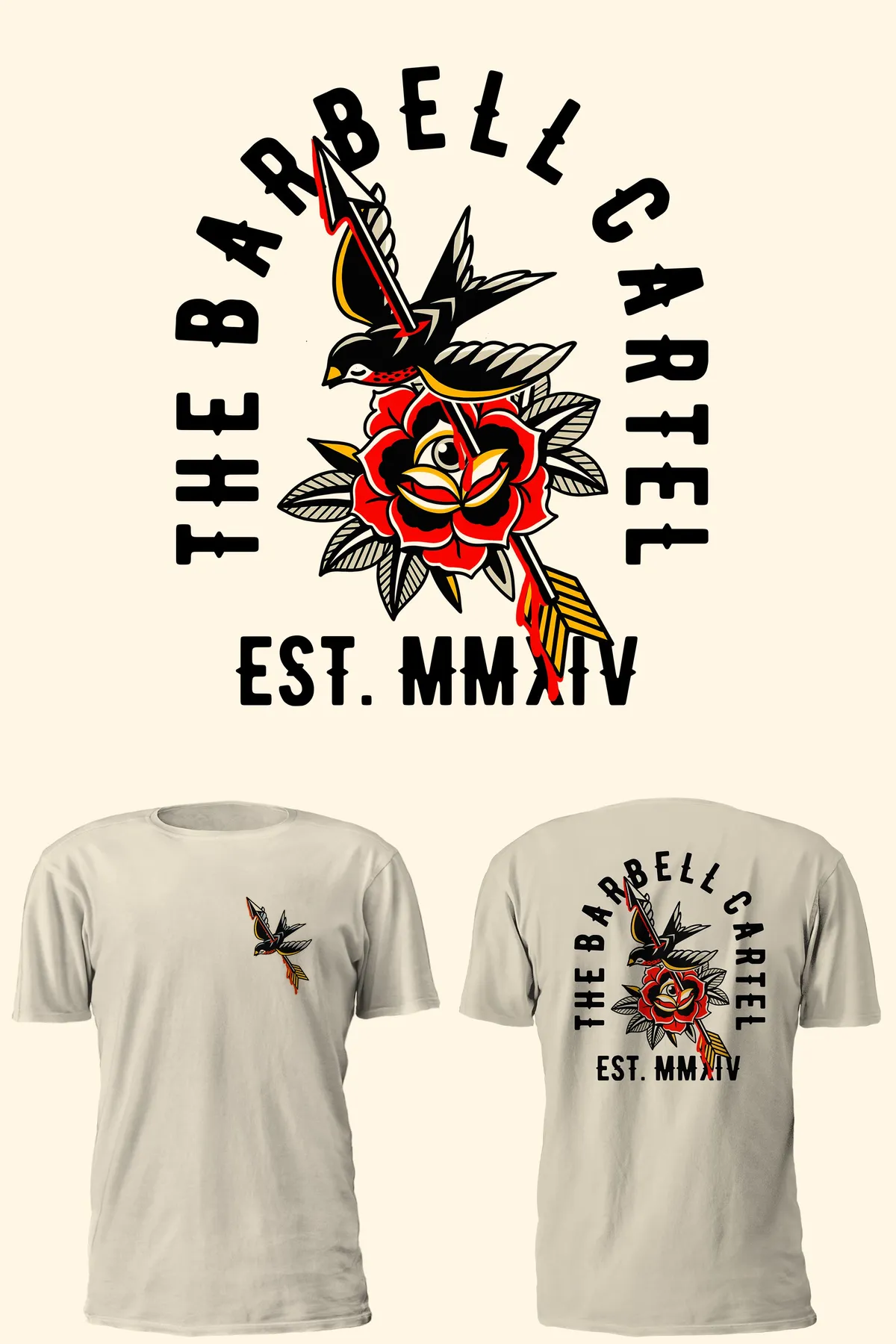
Your niche can also emerge simply from a deliberate commitment to the style that feels inherently yours. Riskiyan W, an illustrator and t-shirt designer influenced by pop surrealism and painters like Greg Simkins, found that leaning into their love of a specific art style became both their signature and competitive advantage.
"Unlike a lot of my friends who focus more on logos, I decided to go straight into illustration and t-shirt design. Because of my interest in the pop surrealist style, I prefer designs with strong detailed linework and carried this over into my world of design. I’ve won many contests on 99designs with this signature style and it has stuck with me throughout my career.”
Like Riskiyan W, your niche could be right in front of you in your own unique style. Committing to it could be what differentiates you and attracts clients who are looking for exactly that, regardless of the project. Over time, turning into a signature that’s unmistakably yours.
So, how do you find yours?
If there's one thing these designers' experiences have in common, it’s the value of paying attention. Notice which projects energise you rather than drain you. Pay attention to the skills that come naturally and the ones you keep returning to.
Look at where your background (however unconventional) might give you a genuine edge. Or simply lean into the design style that feels most like you.
And don't rush it. No two design career journeys look the same and several of these designers spent years working across multiple disciplines before their specialism became clear. Experimentation isn’t wasted time, rather something crucial for building the foundation for whatever comes next. As Boja put it, “you can’t really know what you’re good at (or what you actually enjoy) until you’ve tried it.”
If you're thinking of going freelance, see our ultimate budget freelance kit.
Creative Bloq is now easier to access than ever before with our on-the-go app, which brings you all the content you know and love from our website, but in a super-streamlined design.

