



I've been meaning to learn the piano for approximately seven years. I've researched keyboards, read articles about adult beginners, and even downloaded a learning app. What I haven't done is actually play a single note.
Sound familiar? Whether it's ceramics, 3D printing or calligraphy, we all love the idea of getting away from our screens and getting hands on with an analogue hobby. Well, in theory at least. When it comes to actually doing it, we become masters of procrastination.
Over the years, it's been a topic I've discussed with countless designers, writers and photographers. And based on these discussions, along with my own experiences, I've identified six practical strategies that actually work.
For more helpful New Year tips, see which skills creatives are learning to save their jobs from AI.
01. Give yourself permission

The first obstacle is often our own high standards. If, say, you're a designer wanting to try oil painting, it feels natural to approach it as you would a client project: researching colour theory, planning compositions, investing in quality materials. In practice, though, that's most likely to lead to paralysis.
I once had the same experience with pottery. Determined to be "the best I could be" at the craft, I ended up stressed out, not enjoying it, and making excuses not to attend classes.
Things only improved once I gave myself permission to make 'deliberately terrible bowls' for six months. The shift was immediate. Once I stopped trying to make something worthy of a craft fair, I actually started making things.
Key lesson: Reframe your hobby as play, not practice. Tell yourself you're going to be terrible at it, and mean it. Believe me, you'll suddenly feel freer, and become much more productive.
02. Buy cheap kit
Here's another type of procrastination I know all too well: waiting until you can afford "proper" equipment. In reality, you're just creating barriers to entry.
When a friend wanted to try embroidery, she spent months creating spreadsheets of supplies. Then her sister bought me a cheap kit from a charity shop. She was actually annoyed: she had specific brands in mind! But having the kit sitting there meant she actually started. And once she'd started working with cheap thread and wonky hoops, upgrading felt natural.
Key lesson: Optimise for immediacy over quality. Rather than obsessing over the expensive, pro-quality equipment you'll own "someday", buy entry-level kit. You can always upgrade later.
03. Schedule your hobby like a meeting
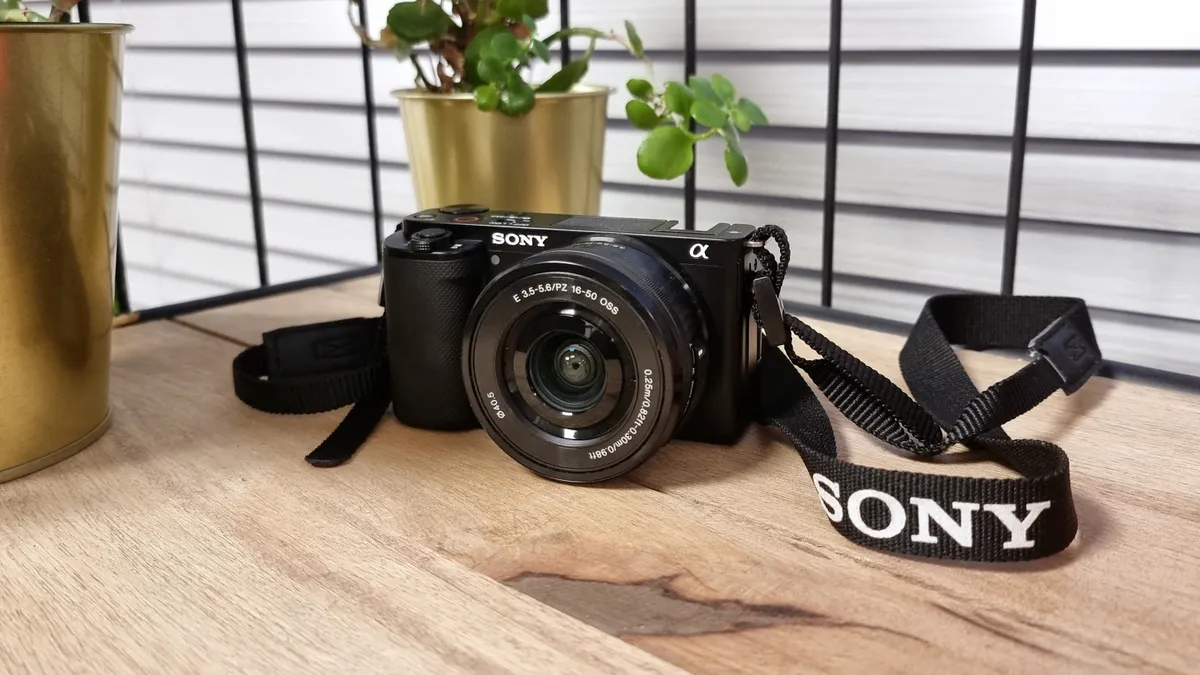
Fail to plan and you plan to fail. For me at least, "I'll paint this weekend" has the same success rate as "I'll exercise more" (which is to say, close to zero). What works better for me is treating a hobby with the same seriousness as a work meeting. As in: I'll literally schedule it on my Google calendar.
A couple of decades back, I tried this with photography after three years of "planning to start". I literally added it to my work calendar: "Tuesday, 7pm-8pm: First Photography Session (Non-Cancellable)". I even declined a client dinner that clashed with it. Did it feel ridiculous? Absolutely. Did it work? Also yes.
Key lesson: Specificity matters. Not "sometime this week" but "Thursday at 6:30pm". Not "when I have time" but "Saturday morning at 10am".
04. Create stakes
One of the reason I often fail to start something is that there's no concrete downside to putting it off. Recognising that, I try to create stakes. So for example, if I don't go jogging this weekend, I won't necessarily lose anything specific. However, if I've paid for two days of gym access, the thought of wasting that money motivates me to actually get off my backside.
Shame and social obligation can be even more powerful motivators. A photographer I know wanted to learn bookbinding. She told her friend's 12-year-old daughter that she'd teach her the basics in six months' time. "Nothing," she said later, "concentrates the mind like knowing you'll have to demonstrate competence to a child."
Key lesson: After you've signed up for the class, promise a friend you'll show them your first attempt. Create a situation where backing out feels harder than following through.
05. Constrain yourself

When starting feels overwhelming, you're probably trying to start too big. A designer I know finally started writing fiction by committing to exactly 50 words per day. Not "at least 50": exactly 50.
That might sound odd, but this extreme constraint made it impossible to procrastinate. You can't tell yourself you don't have time to write 50 words. And once he'd written 50, he usually wrote more. But crucially, he didn't have to.
The same principle works for any hobby. Can't face an hour of guitar practice? Commit to tuning it daily. Too daunting to start a painting? Commit to mixing one colour.
Key lesson: The goal isn't achievement; it's establishing the habit of showing up. Once that becomes routine, expanding feels natural.
06. Stop watching, start doing
Here's one final trap that catches almost every creative: spending more time consuming content about your hobby than actually doing it.
I once realised I was spending three hours a week watching animation videos but zero hours animating. My solution was brutal: I deleted every animation channel from my feeds until I'd completed six months of actual practice (using the best animation laptops). That might sound counterproductive. But it worked, because it forced me to channel that energy into doing rather than watching.
Watching YouTube videos can be a great way to learn anything, but learning always needs to be combined with doing. Otherwise, it's becomes a more sophisticated method of procrastination.
Key lesson: For every hour you spend consuming content about your hobby, spend two hours actually doing it. Better yet, make it three.
Conclusion

The common thread here is simple: stop thinking, start doing. Procrastination thrives in the gap between intention and action. It feeds on perfectionism, fear of incompetence, and the comfortable illusion that we're making progress by overindulging in planning.
Most importantly, don't procrastinate over how to end your procrastination. You don't need all six strategies. Pick one, just one, and implement it today. Not tomorrow. Not next week. Right now. Go!
You might need these subscription-free digital art software to start your new hobby.