
It was a big day in my household when the latest Bluey album, Bluey: Up Here dropped. I’m a mum, and I’ve heard a lot of children’s music on repeat for the last six years. But as an artist and executive working in sonic branding, I was particularly thrilled when the pre-save showed up in my feed.
Because yes, Bluey’s storytelling is sharp, observant and speaks to kids and parents alike, but how it uses music is intentional, which heavily impacts the audience’s emotional experience. Lead composer Joff Bush and his collaborators have created a world defined by sound that pulls the audience in.
It’s no wonder that Bluey is not only my favourite sonic brand today, but one of the best examples of sonic branding in culture right now – and it would benefit brands to pay attention. So many companies consider sound an afterthought in their branding and communications. Bluey offers a compelling blueprint for what happens when music and sound sit at the core of a brand from the start (for more brands doing it right see the winners of the Sonic category at the Brand Impact Awards).
Iteration without fatigue

One of the most striking aspects of Bluey is how often it returns to familiar musical themes and motifs without ever feeling repetitive. The primary melody for the brand (which you hear played by a melodica in the main title theme of the show) is constantly reinterpreted with different tempos, arrangements, excerpts, instrumentation and emotional tones depending on the scene.
This is a key tenet of effective and emotionally resonant sonic branding. Instead of a static mnemonic or single over-used track, Bluey treats its musical themes as a living system. The audience builds recognition through expressive variation on the main theme, and the introduction of additional sub-themes – not just rote repetition.
The lesson here for brands: consistency doesn’t mean rubber-stamp sameness. A strong sonic identity must be flexible and be able to live across touchpoints while still retaining brand recall.
Cultural connections
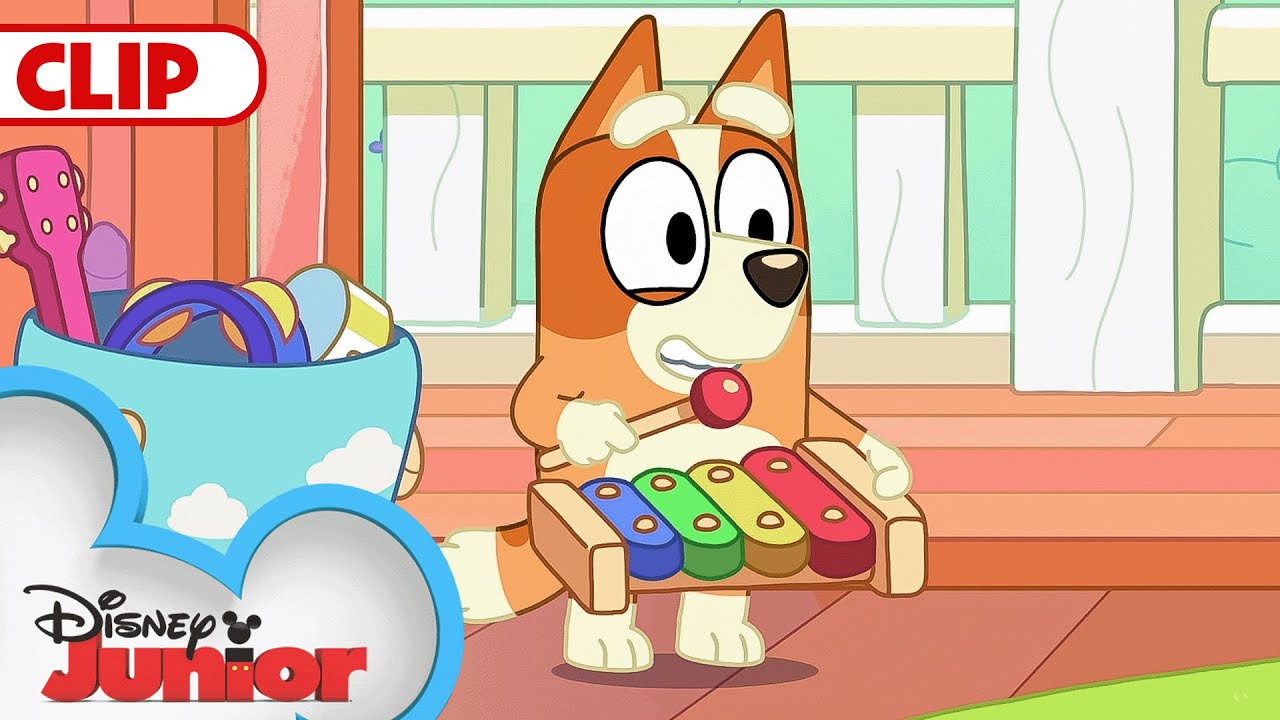
Bluey’s sonic strategy also draws on broader musical influences, particularly classical music, to deepen its stories. It’s not unusual to hear work from classical composers, such as Beethoven's Ode to Joy and Mozart's Rondo Alla Turca (from Sonata No. 11) as in The Magic Xylophone episode.
One of my favourite examples of this is the Sleepytime episode, in which Bingo travels through space in her dreams accompanied by unique arrangements of Gustav Holst’s The Planets. The result yields musical Easter eggs for the adults listening in, and the episode’s score connects Bluey to the broader musical world in a way that is engaging and expansive, even to young children.
I love when my kids hear Bach on the stereo and connect it back to the show. They’ve created an emotional memory and can therefore recognise even the most sophisticated of melodies. Bluey leverages existing music and culture to enhance brand meaning in ways that are genuine, and never feels opportunistic, short-sighted or misaligned.
Sonic differentiation & world building

Within the hyper, loud and even annoying landscape or children’s music, Bluey chooses to do something different that deeply respects its audience. The music doesn’t shout, it invites people in, and there’s a ton of musical sophistication lurking under the surface.
Bluey uses music to help build the complex emotional architecture of each episode. Whether it's the unbridled joy of Bluey’s main theme or the freewheeling synthpop of Bluey’s favourite song while playing Musical Statues, music is part of the show's highest highs.
The show’s most impactful episodes – the ones that have the adults dashing the tears from their eyes – use music to build emotion. Babyrace, which tells the story of Chili’s maternal anxiety, crescendos with hopeful vocals as Bluey takes her first steps. And the episode Rain features no dialogue at all, with the story of perseverance being conveyed through the ups and downs in the musical accompaniment. That’s what makes sound so powerful. It bypasses our rational mind and affects us on a subconscious level.

With the media being landscape noisier than ever, brands must make more courageous and interesting choices in their sound that differentiates, surprises and builds connections. Sonic branding can stir emotions and signal key brand values without having to say a single word.
A strategic and differentiated approach to sound also means ample opportunities for world building – and helps ensure that your world will be one that can hold up even under extreme repetition (and, ahem, I mean extreme repetition!). As brand experiences become more immersive and multi-platform, sound needs to be a signal of the world a consumer is in and be sonically rich enough to sustain that consumer’s interest.
The sound of your brand: from afterthought to foundation
What Bluey demonstrates is simple but profound: sound works best when it’s not an add-on, but when it's made a core part of the brand system from the start. Too many brands still treat sound as the last piece of a project, as an executional deliverable.
Successful sonic identities are built early, made to scale and iterate, and are applied consistently across every touchpoint. Bluey proves that if a brand’s foundational sounds have been carefully crafted, then brand consistency doesn’t inherently undermine creative expression. When built with intention and long-term vision, a sonic brand can be creative, emotional, expressive and resonant. And that intention and vision will yield business impact.
It’s harder for brands to earn attention than ever before. Sound remains a strategic advantage. And if a children’s show can get it so right, what’s stopping the rest of us?
Creative Bloq is now easier to access than ever before with our on-the-go app, which brings you all the content you know and love from our website, but in a super-streamlined design.

