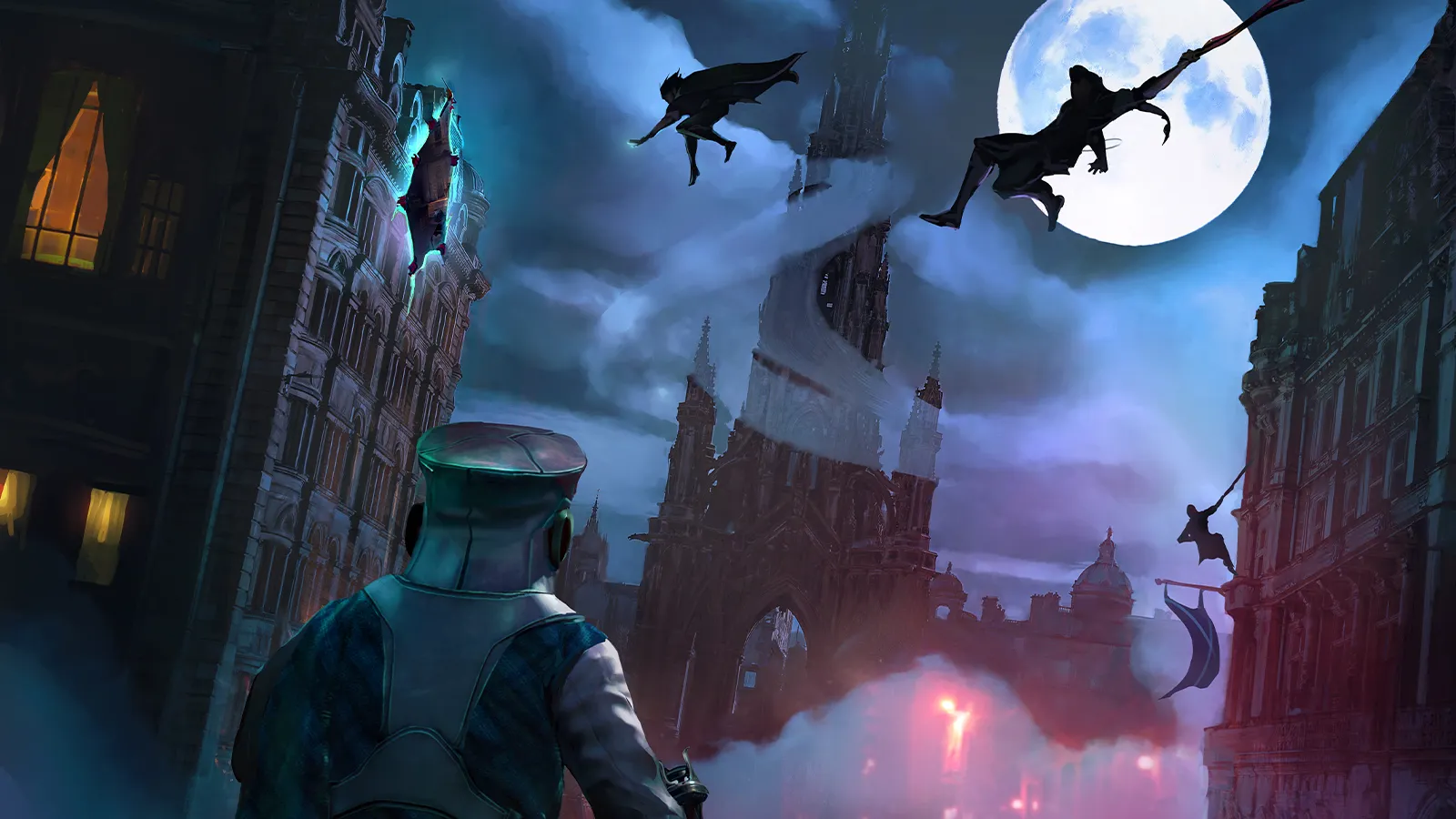
As much as the latest tech, like Unreal Engine 5, can deliver more realistic visuals, I always have a stronger impression when developers push against that trend in favour of something more stylised. Back in 2012, Dishonored stood out with its oil painting-inspired aesthetic, even though one might assume dark and gritty realism would better suit the oppressive and plague-ridden setting of Dunwall. For that reason, it still looks terrific today compared to other games from that era, and its influence can still be felt, including Thick As Thieves, the latest twist on the immersive sim from Otherside Entertainment, headed up by the genre's pioneer, Warren Spector.
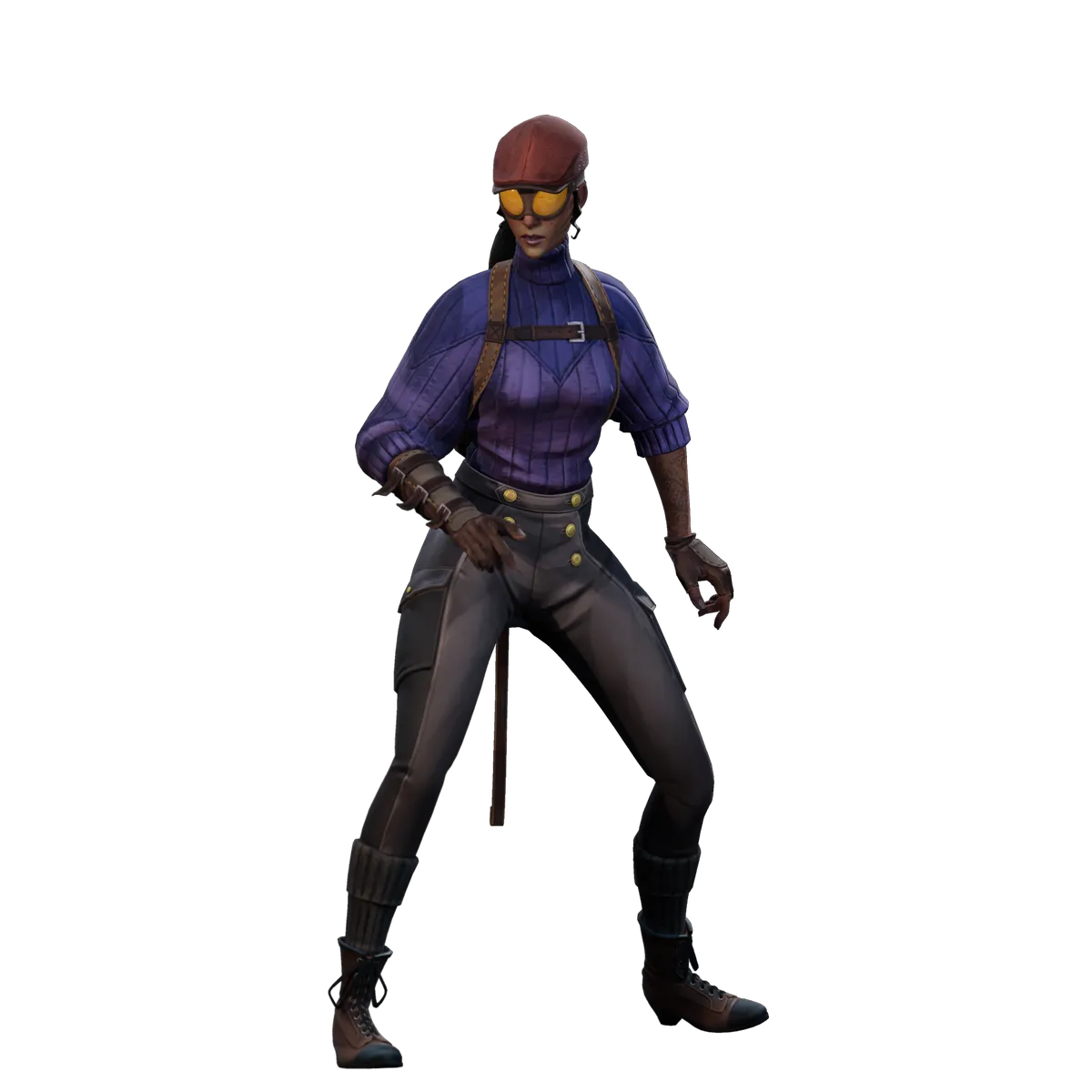
Indeed, from when the game was first announced at The Game Awards in 2024 – initially with the pitch of being a PvPvE multiplayer – it's hard not to make those comparisons. Like Dishonored, there's a painterly and exaggerated style to Thick As Thieves' character designs, while Edinburgh was also a city that inspired its setting. Art director Matt Moore is, of course, conscious of those comparisons but is also keen to draw the distinctions between the two.
"[Dunwall in] Dishonored was a mix of London and Edinburgh architecture, and we were certainly inspired by Edinburgh architecture – the qualities and mix of architectural styles, as well as the rich history, just made that a natural fit," he tells me.
The Edinburgh connection
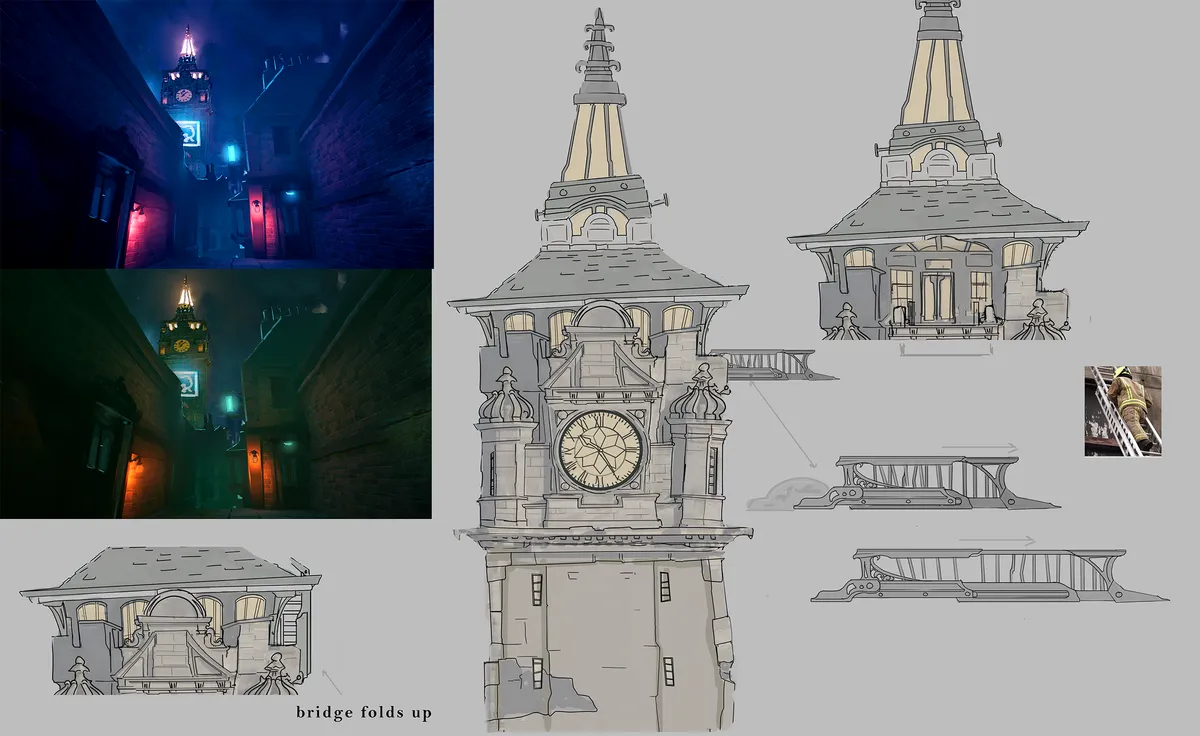
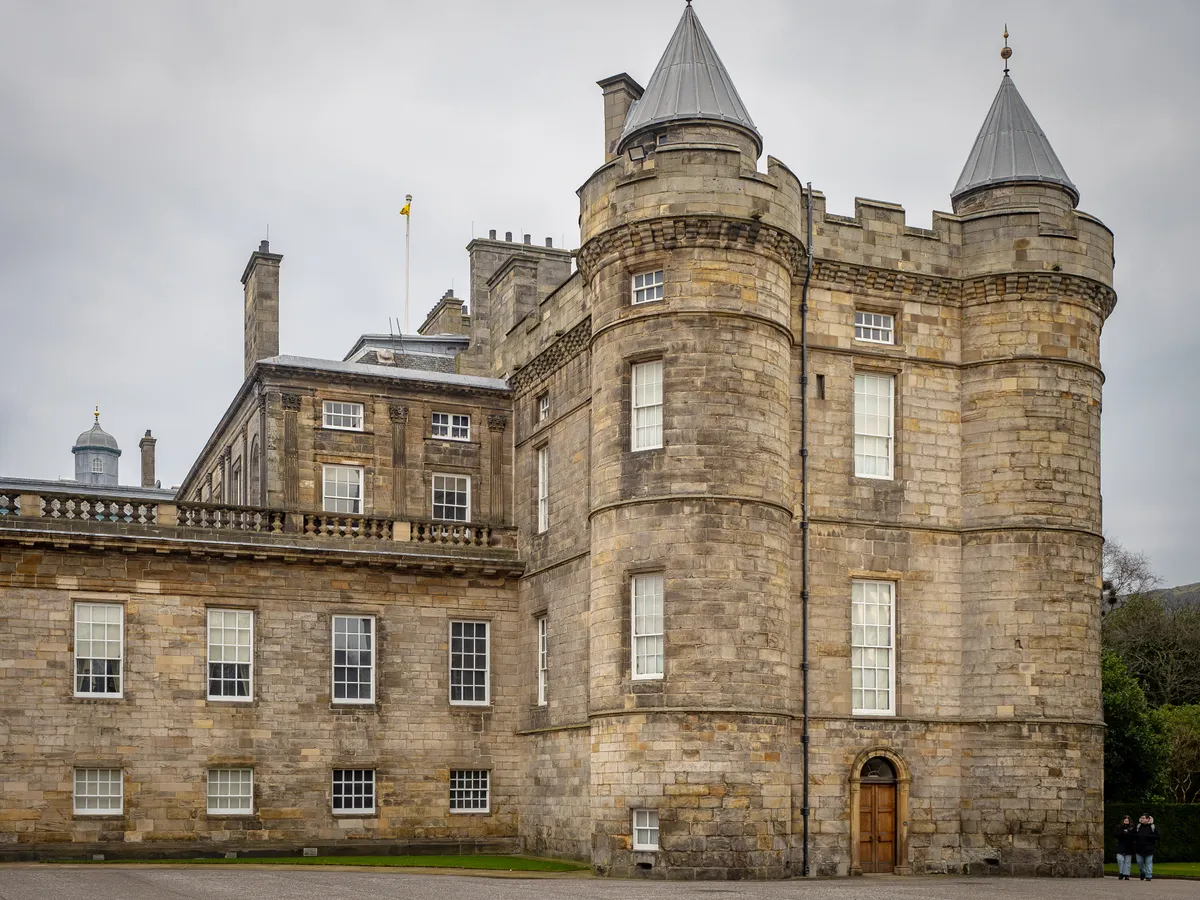
During research, a small team of artists and designers were sent to Edinburgh to gather references, and the biggest inspiration was by far the city's distinct Scots baronial architecture. "A lot of the game involves navigating up on rooftops and travelling over buildings, so the unique turrets and materials on those old rooftops were awesome. Then there's that mix of medieval, steep and narrow closes, and old tenements. There was already a bunch of natural asymmetry, which was really appealing to us."
In fact, the game was almost going to be set in Edinburgh itself, though ultimately the decision was made to create a fictional city, which allowed for more creative liberties with both the history and geography, including a map that's highly based on Abbotsford, a historic country house in the Scottish Borders that's better known as the home of Sir Walter Scott.
Thick As Thieves' fictional Scottish city is Kilcairn, which is also based not in the Victorian era but in the 1910s. "It's set in an alternate timeline, in a fantastical sort of hidden city that had a rich history of magic, and we're also mixing that with all sorts of old-world technology," Moore explains. "The medieval architecture lets you go back to explore some old themes of old magic and deep history and deep roots of the city. We couldn't have that kind of history in a game set in America."
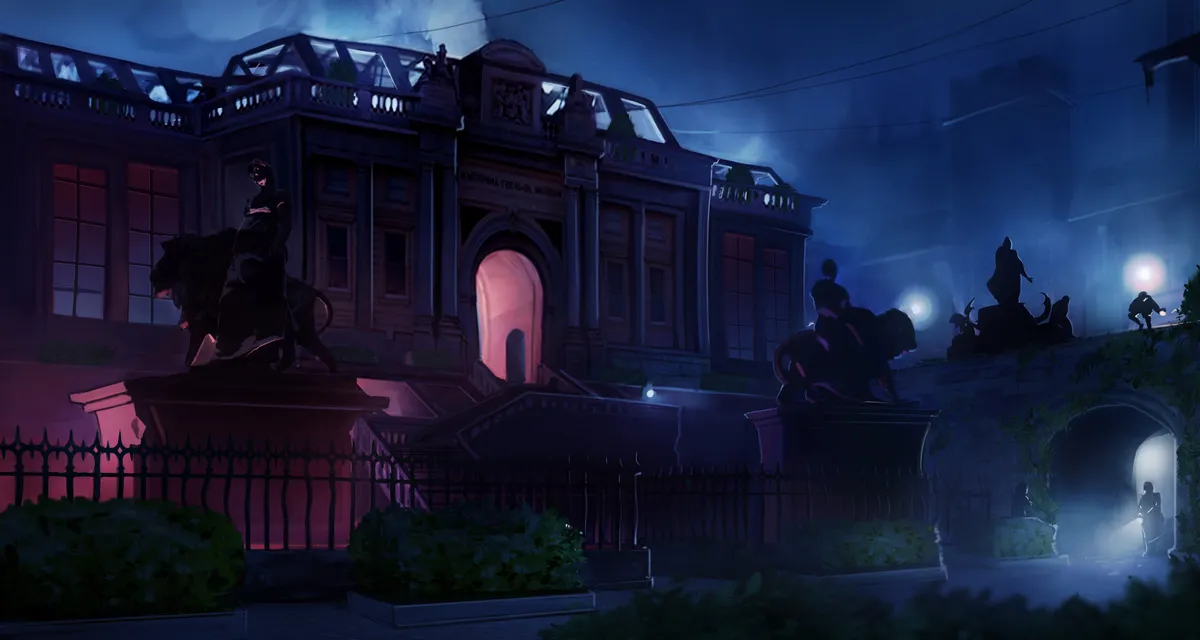
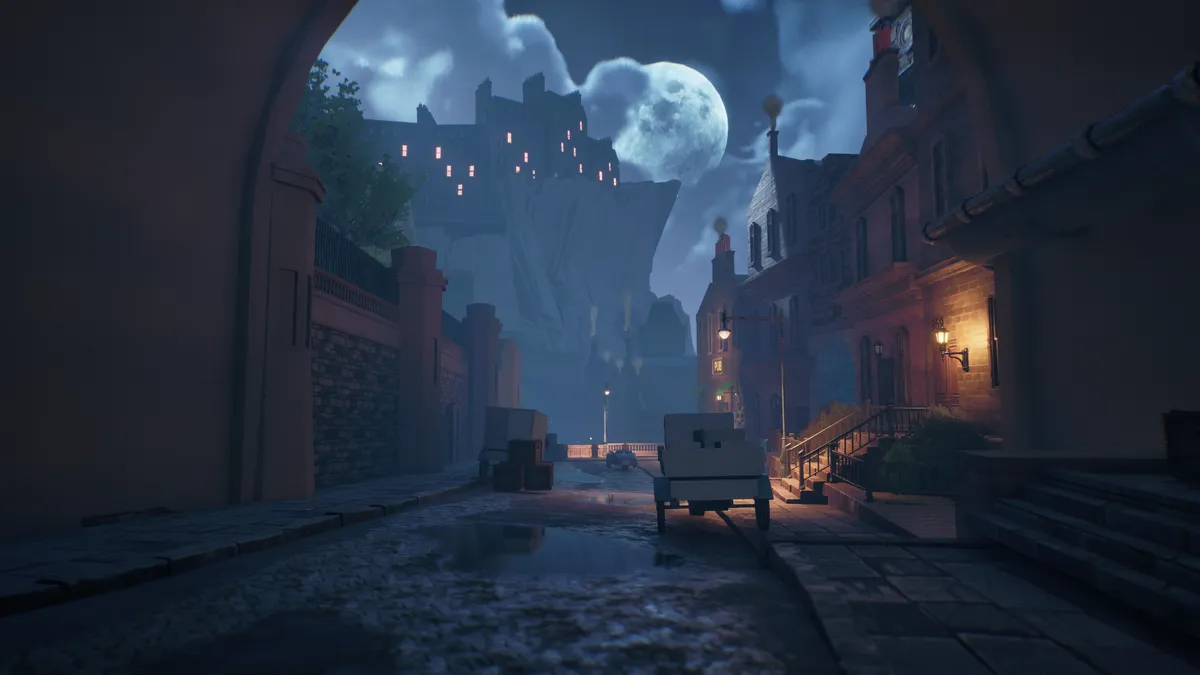
Think steampunk but with magic (magic-punk?), though he says they're also trying to be a little ambiguous about what is powering the game world's technology, be it its three-wheeled automobiles or airships that can search for thieves. Even then, when it came to character designs, there was a desire to take the inspiration authentically from the same era in terms of style and fashion. "One of the characters has a prosthetic hand that at first seems we're really taking liberties, but then we found some great real-life examples of prosthetics from that era too," Moore adds.
The turn-of-the-century setting was also an opportunity to do something fresh with the aesthetic. Moore continues: "One of the things that we wanted to do was take some of the medieval architecture and stonework, and mix it with modern neon lighting, which seemed like a contrast that we hadn't seen before. Another thing we ended up doing a lot of was pipes, implying that this old city with old architectural roots was built up, and technology sort of overtook it. So there are pipes and wires laid out on the outside of some of these buildings, sometimes slithering down the side like a vine. There's a nice material contrast between the metal, sandy stone, grey stone, and moss, then having moisture and puddles reflecting some of that colourful lighting.”
Given the game is about playing thieves sneaking into locations to pilfer treasures without being noticed, it won't be a surprise that the Kilcairn portrayed in the game is always at nighttime, so it's important to have different sources of lighting, be it the neon lights or natural ones like moonlight, or perhaps even the aurora borealis, so that wonderful architecture isn't lost in the dark.
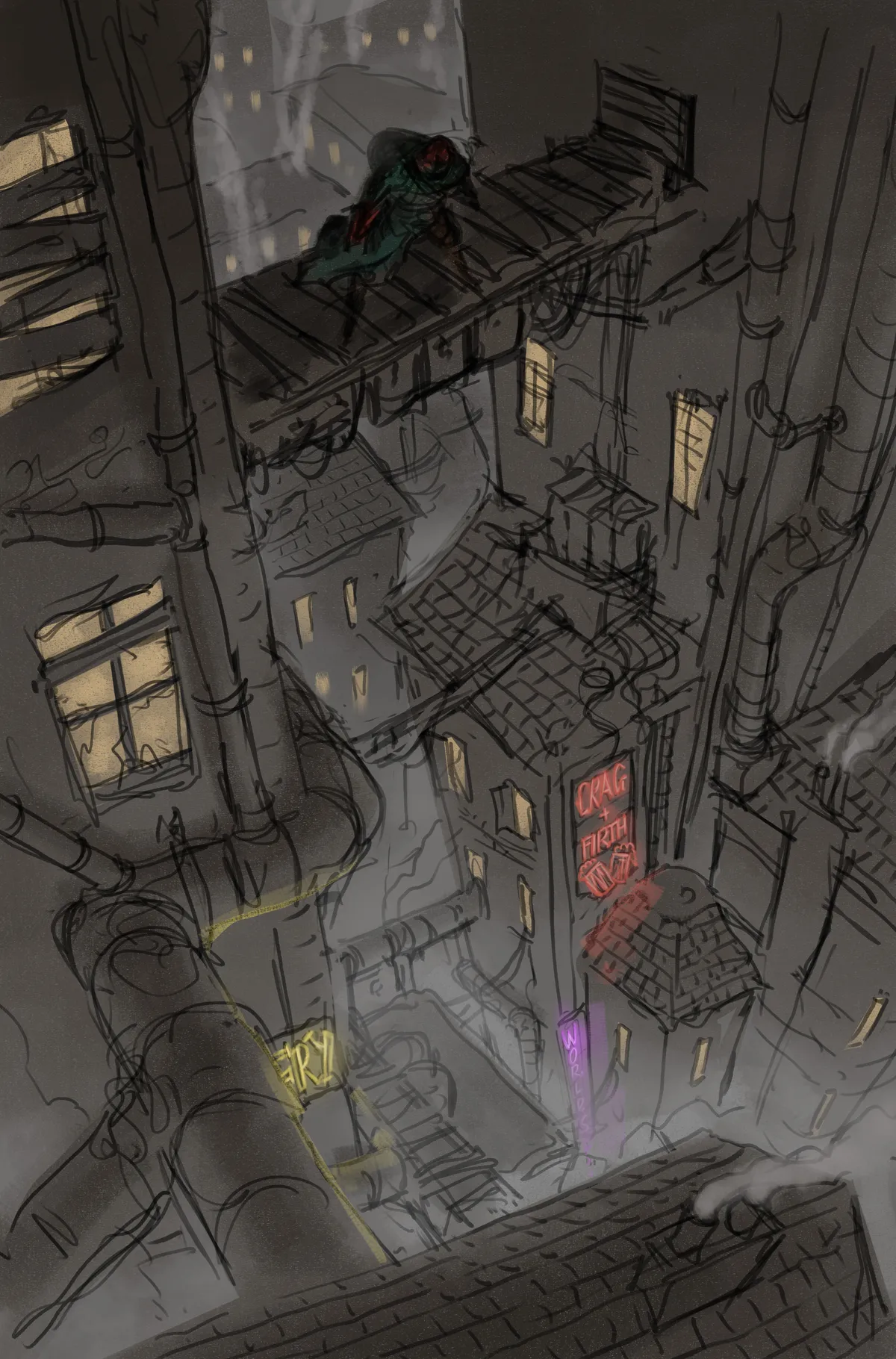
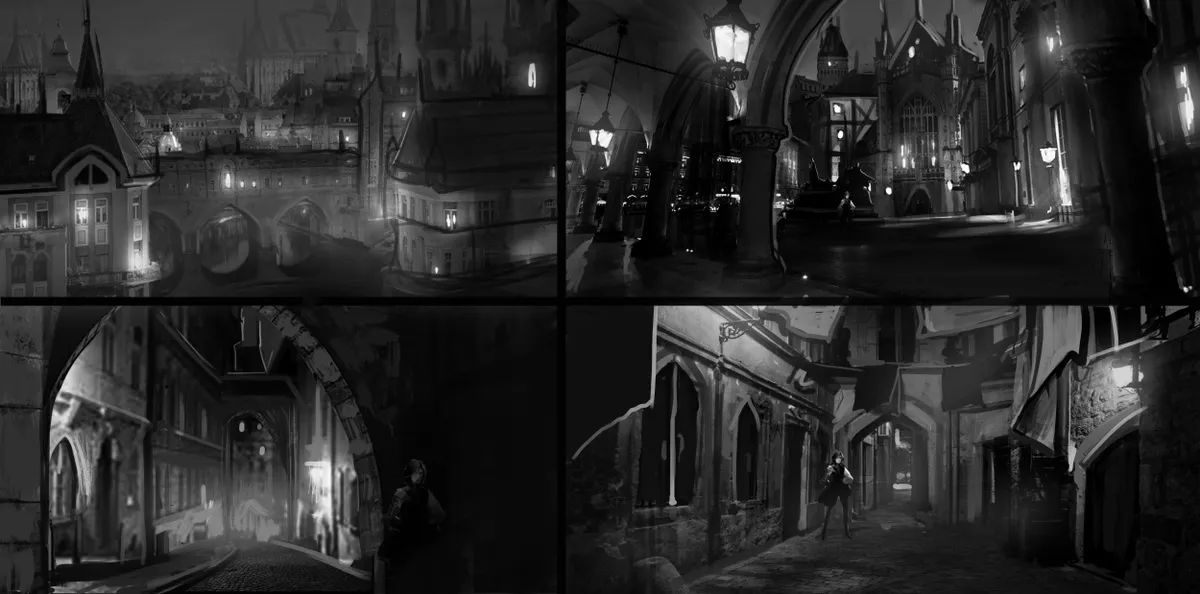
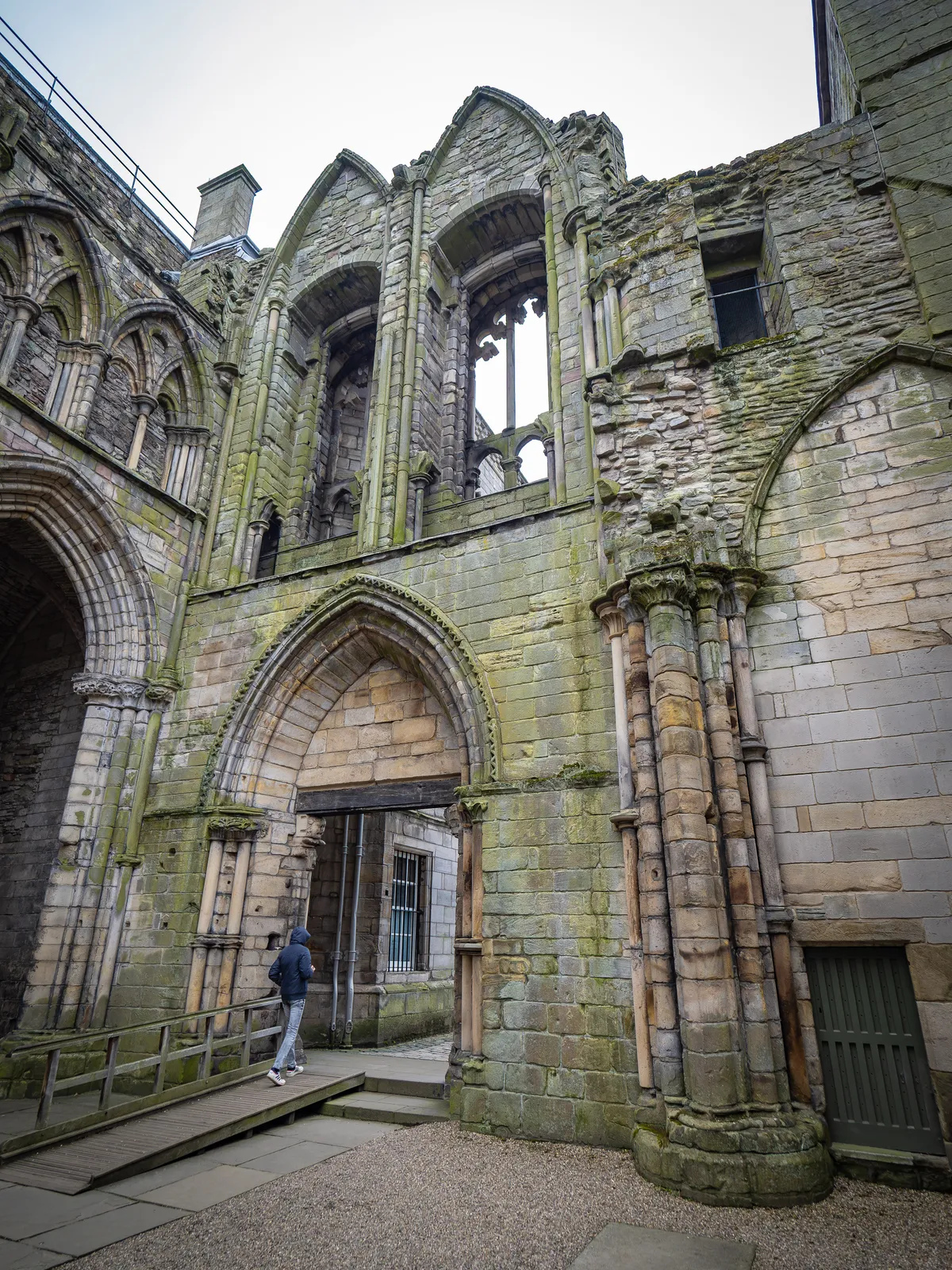
A crucial way of realising this art direction was through Unreal Engine 5 and the dynamic global lighting provided by Lumen. While Moore admits there was a big adjustment in making the switch, it's been transformative overall. "I do not miss the lighting bakes that we used to have in Unreal Engine 4," he says. "The real-time lighting is amazing. But there were also new challenges from adopting Unreal Engine 5, where some of the tricks we had for brightening an area were done a little differently because the real-time lights had a [memory] cost."
Light is essential to Thick As Thieves because it determines how visible your thief will be to patrolling guards, so each room will have many individual light sources, be they lamps or candles, which can be turned on or off manually. That, however, also essentially means many additional lights, which would overlap and add to the cost.
"We ended up adopting invisible emissive shapes that contribute to ambient lighting, and that's been a way for us to pop and tint areas," Moore explains. "When we are making things, like designing the lighting in the levels, we definitely have an eye on where the light and shadow are. We want the shadow to be a safe place, which is different from a lot of games. Typically, when you enter a level, the visual language of a lit door calls the player, but we need players in our game to learn that you might want to go over there, but the lights will cast on you and expose you to the guards, so be careful!"
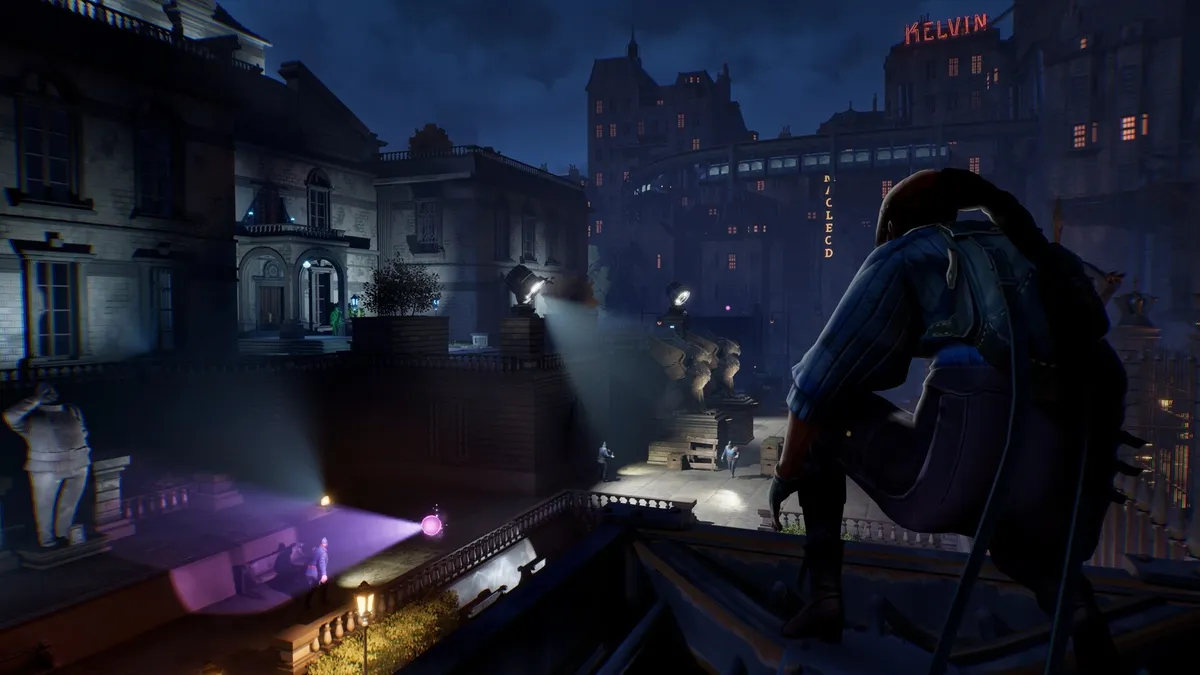
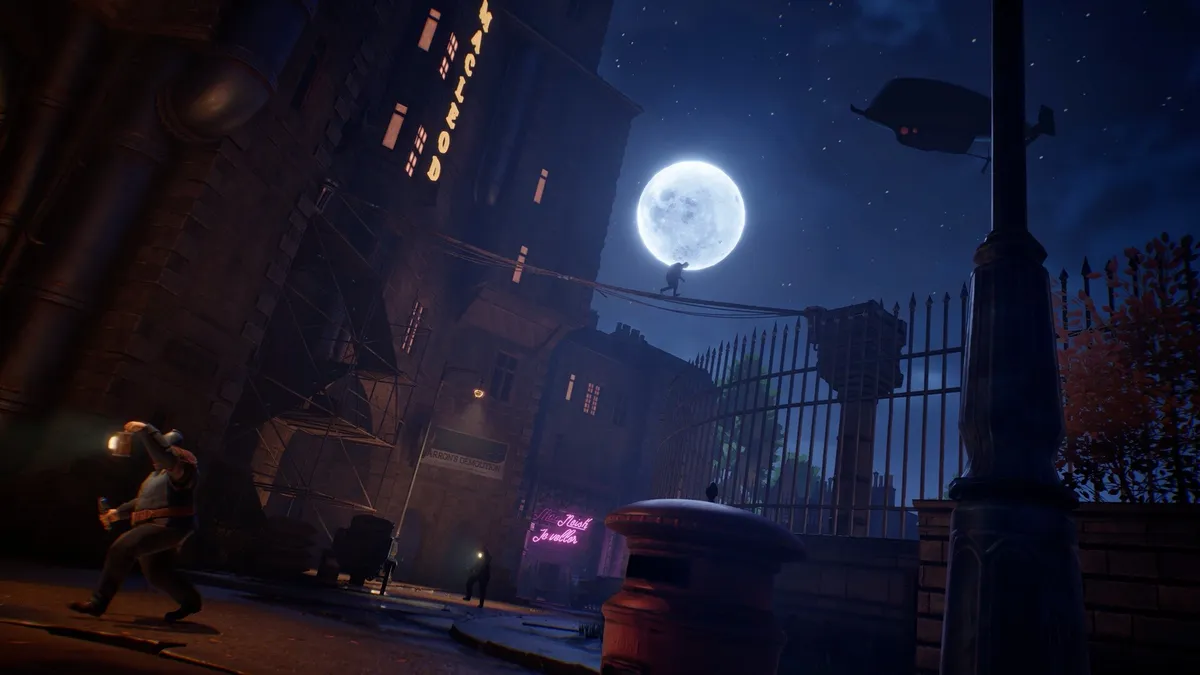
While the visual language of hiding in shadow was originally meant to also apply to other players, it's since been announced that Thick of Thieves would be ditching its PvP mode and focusing on single-player and co-op missions instead. Apart from a change in spawn points, it has fortunately not caused any drastic changes in visual or level design. "It's still a big space that is fun to explore in either context," Moore says. "We really wanted to be consistent in the visual language between hiding from other players and hiding from other guards. The fact that it worked in both of those contexts meant a room designed with a space to hide in the corner still works."
Nonetheless, there are some tools the team exercised restraint with, informed by the gameplay. For instance, ray tracing allows for rendering reflections in real-time, something that would really enhance the aforementioned neon lighting off environments, but you'll also see some grand mirrors in some interiors where they purposely don't reflect anything back. "At one point, we explored whether guards could see you in mirrors, but we didn't end up adopting that because it was not something players were prepared to think about as they were navigating around the space."
The stylised aesthetic was also reined in, as the game used Kuwahara-style post-processing on the visuals, which would give environments an even more painterly look, but had to be dialled down. "This is really a game of observation, where as a thief you are doing recon, seeing where the guards are, and trying to spot people," Moore explains. "Just by its nature, the post-processing was taking away some of that detail. So that was something where we embraced stylisation in other ways, but reduced the effect of that post proc."
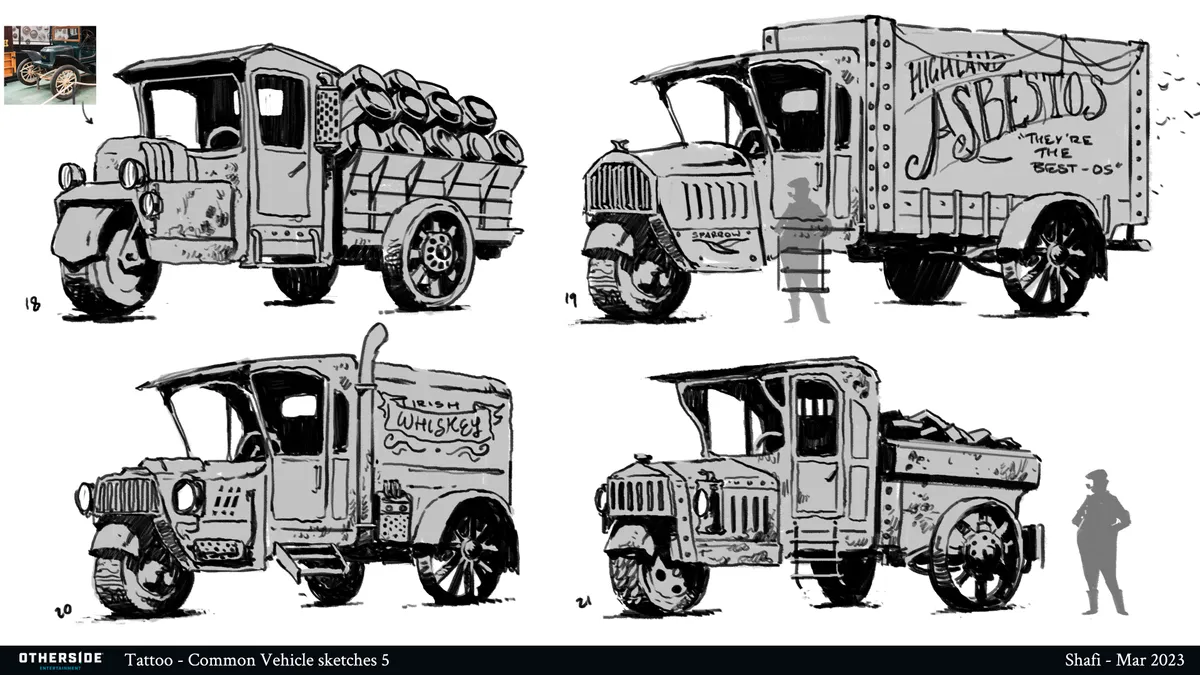
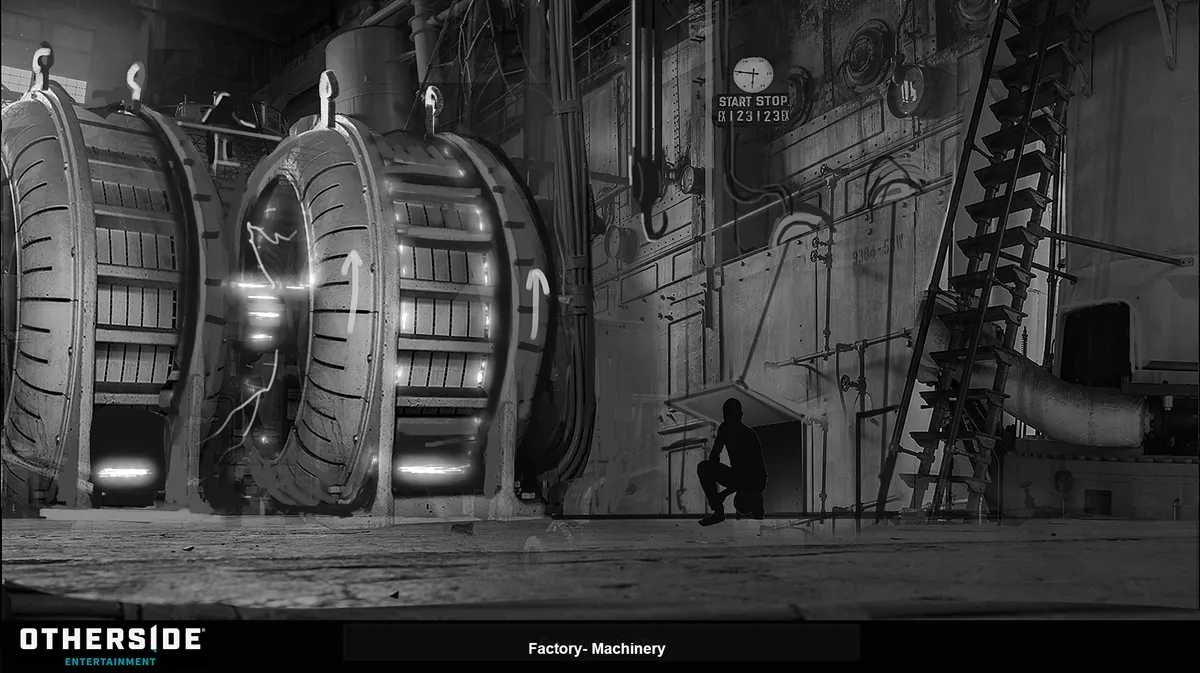
Although it sounds like Kilcairn makes for a rich world with plenty of secrets and history to discover, there are also limits as to how much of that players will get to see. It's, after all, mission-based rather than open world, so each map specifically focuses on a building or area, although that also allows for more control over both art direction and level design in terms of how the player will approach an area and what they see. There's also the matter of how the rest of its world will be experienced since at launch, there will just be an 'introductory campaign' with two maps – albeit priced at the bargain of $4.99 / £4.99.
Moore may not be able to divulge more of what's planned for Thick As Thieves at this stage, but he nonetheless seems confident there will be more to uncover. "I think Kilcairn is a rich enough world, the narrative designers have thought a lot through, and I would be thrilled to expand on telling those stories," he concludes. "I think there's a lot of interesting spaces that we could explore in the future."





Thick As Thieves is coming to PC on 20 May, and you can wishlist it on Steam.