The biggest creative risk Paloma Rincón has ever taken was in front of a live audience at a photography festival. She submerged flowers in liquid nitrogen at -200°C to capture how the blooms behave, but she had no idea whether it would actually work once in the room. There had been no time for a test day. Luckily, the risk paid off.
"It’s incredible to see," she recalls, reflecting on the flying shards of petals captured at a fraction of a second. "You see something that the naked eye just can't."
Paloma loves to get her hands dirty with hands-on experiments, bringing effects to life in the real world that you might, at first glance, think are created digitally. Her colours are extraordinary, with a refreshing brightness you want to dive into headfirst. She finds her joy in the messy, unpredictable friction of the physical world, which feels especially captivating in today's digitally-dominated landscape.
I caught up with her at OFFF Barcelona 2026, where we discussed her signature style, technological advancements, and her commercial work.
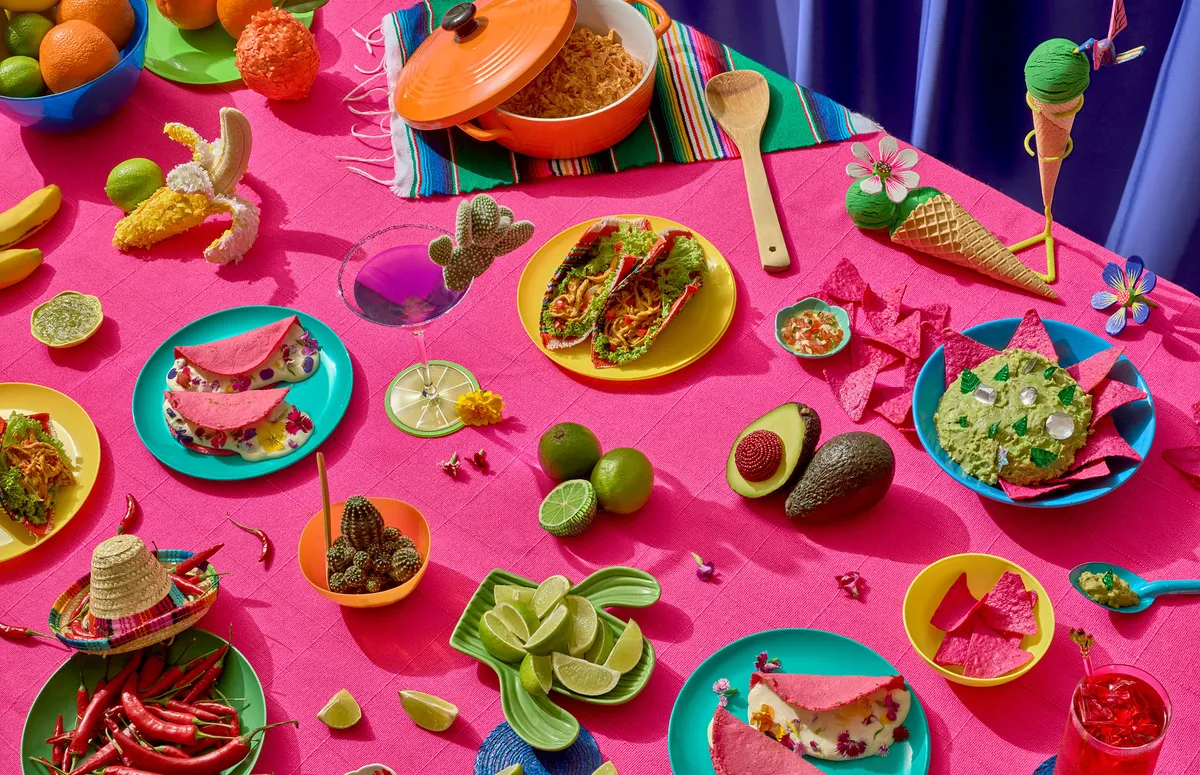
Paloma got into still life because she's "kind of a control freak," she tells me. "Also because it can be very creative, you can create whatever you want and build things and tell your own stories." Recently, she has been creating digitally as another kind of experiment to see what happens when she tinkers with AI. But physicality remains crucial to the joy she gets from her work, and she thinks it's better for it.
"When I'm engaging on something that's testing, like my hands are dirty, everything, I don't look at my phone, and I could be ignoring the rest of the world for ages," she says. "While when I'm doing something that's more digital and I'm at the computer, I could be more easily distracted." Paloma says that it's all down to the "cognitive process".
Continuing, she reveals how "Working with your hands is important because you get a feedback from the physical world, where your ideas can grow". This feels like a crucial mindset for the current times, when everything can be generated at the click of a button. As artists and designers, our minds work differently when we engage physically; the possibilities of creation change.
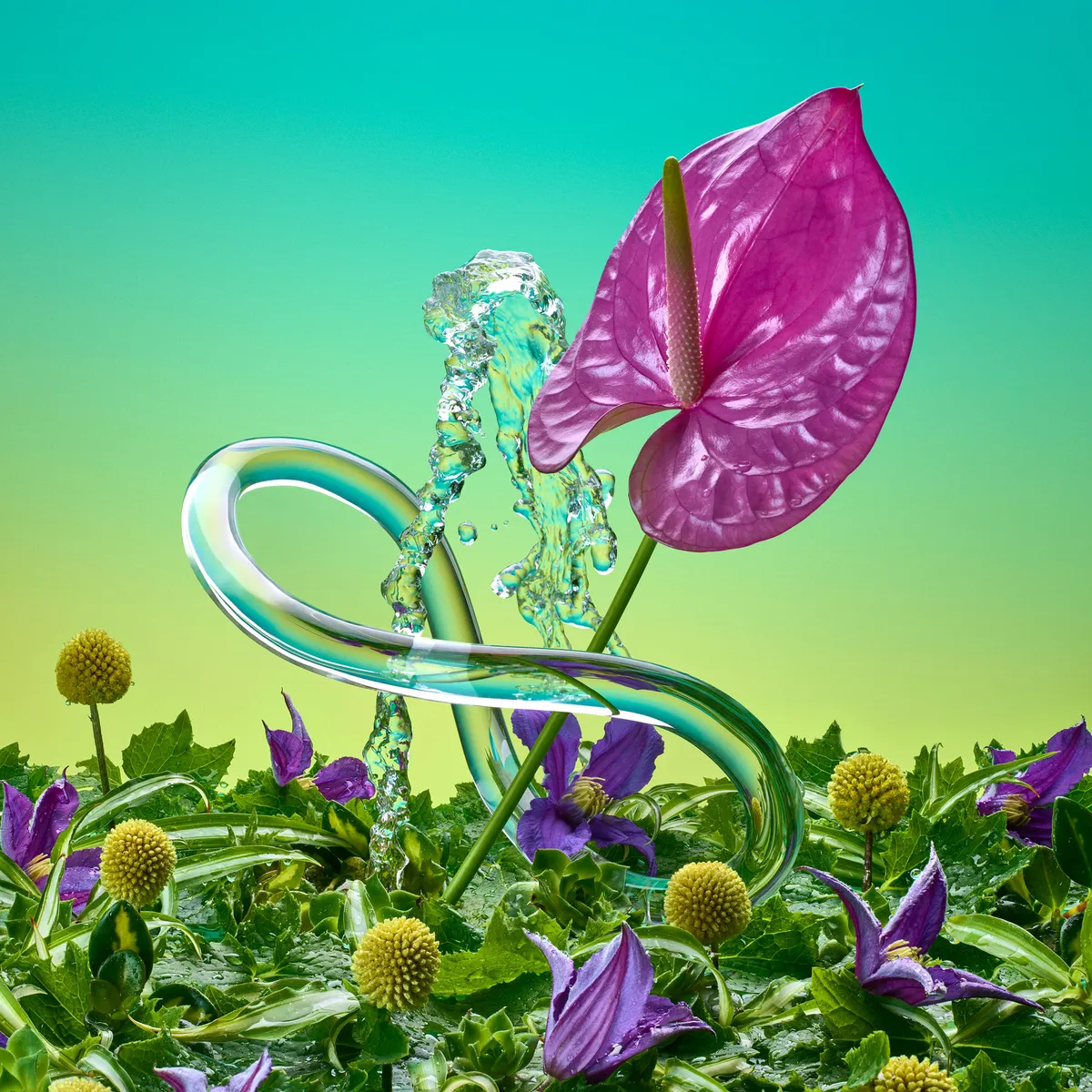
This intersection of technology and vision is also visible in the tension between the smartphone and the traditional professional rig. For Paloma, the most profound impact on her style has come from mastering time through high-speed photography. "It's either capturing in a shorter time something that takes a long time to happen… or high-speed photography where you can see a 1/8000th of a second," she explains. "You can see the form, the shape, and the behaviour of the material when captured so fast."
Because the tools shape the work so conclusively, I asked Paloma if she sees the smartphone as a viable substitute for a professional setup. Her response was candid. "Smartphones are so good that they have made me lazy", she confesses. "But they don't produce the same images. They use algorithms and lenses that automatically apply colour grading to make images look great, but you lose a lot of depth."
For an artist like Paloma who relies on real-life friction, the smartphone is inherently limiting. While these devices pride themselves on the photographer "doing less," Paloma’s experience is a reminder that convenience shouldn't stifle the ability to innovate.
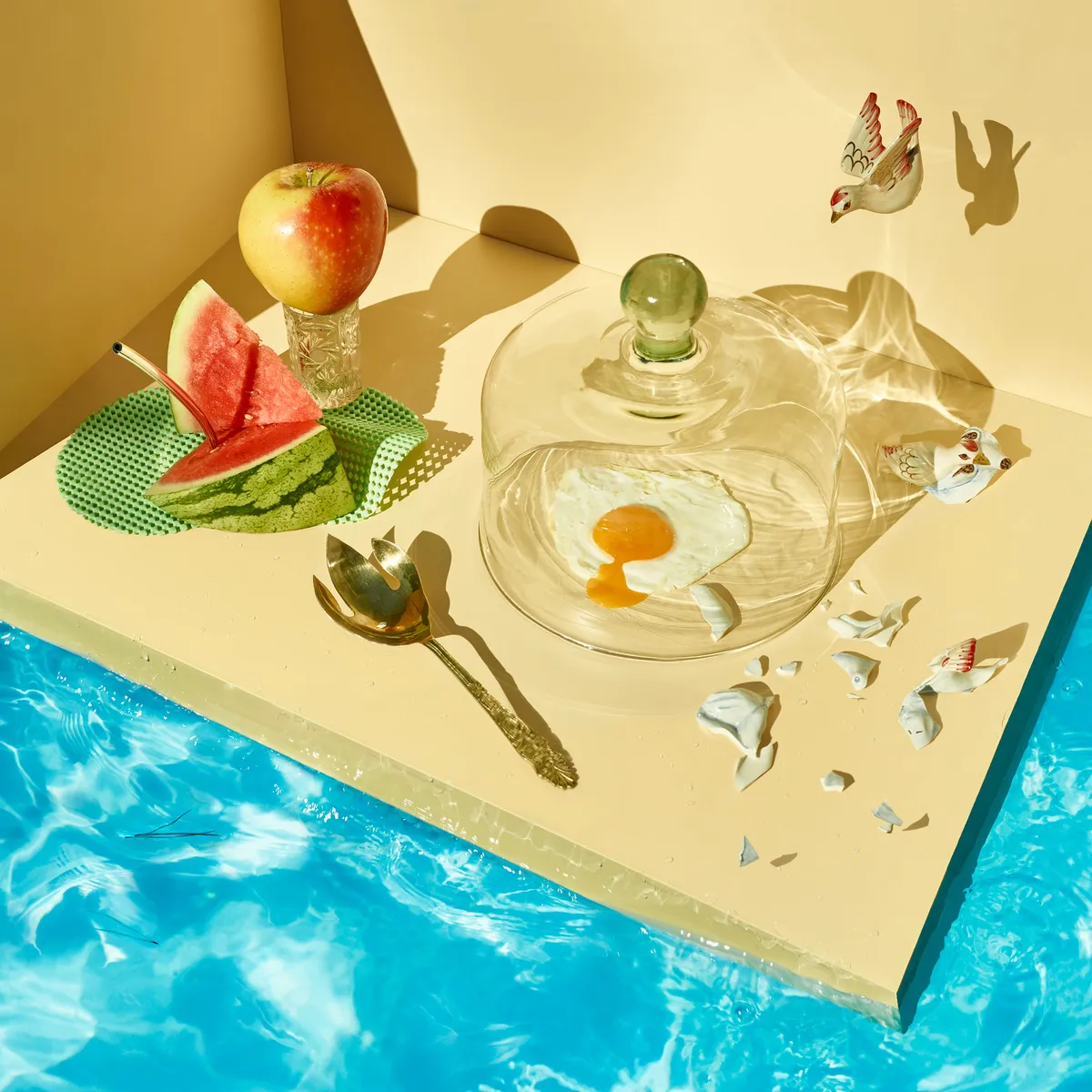
Where you stand on the use of convenient technology – that handy tech that sits in your pocket – is about to be a vital consideration for young creatives wanting to carve out a sustainable career. Paloma advises that anyone looking to the future needs to think carefully. "With AI and all this massive noise we're having, you really have to fight hard for what you want to do," she says. "Really think how you want to be positioned in this new world that's coming – if you want to be a more technical player, or a more creative player."
What you choose to use and how you use it come down to preference, as Paloma says: "Now that there are options for making free images, free content, you should make whatever could make you different from all that."
But Paloma also stresses that the onus to combat the negative effects of AI shouldn't be confined to the creative industries. "I don't know why our governments aren't really speaking about what's going to happen," she says. "It's an industry that employs a lot of people at many different levels. And the same thing – other industries, like lawyers and programmers. They're going too fast. And they don't know in which direction they're going. So we're just racing to get – we don't know where – just because the U.S. is competing with China to see who gets... I don't know where, maybe to extinction."
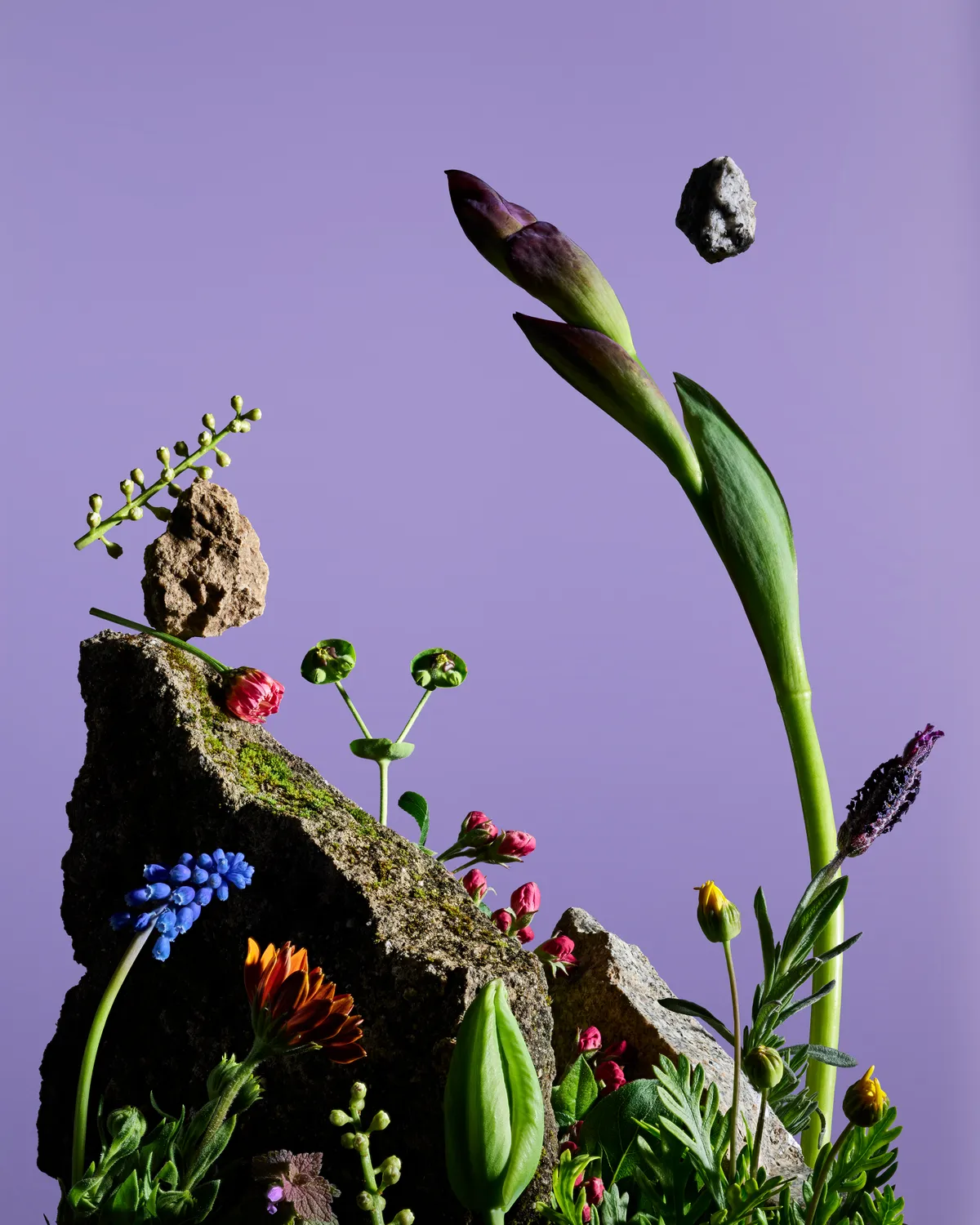
Paloma's work and approach to art sit at a fascinating intersection between handcrafted experimentation and technological generation. Whether she’s waiting for a mushroom to grow in a week-long time-lapse or managing a high-pressure commercial set, Paloma reminds creatives of the importance of both patience and risk-taking. In a world of instant results, the beauty in her work rises above the rest.
Find Paloma's work on her website, or over on Instagram @paloma_rincon_