





Did you ever see the 2021 Leonardo DiCaprio film Don't Look Up? I don't think it's a spoiler to say that its focus on people not looking up was partly a satire on climate change denial. But more broadly, it fed into the idea that nowadays, we're all looking down a lot; specifically at our phones.
I've honestly got no idea if smart glasses – some of which can now project information, images and videos straight at your eyeballs – will end up taking off in future, and replacing the smartphone. But if they do, then it occurs to me that this will be big news for billboards.
You might assume that if more digital tech catches on, physical advertising would be one of the casualties. After all, why look at a poster when your glasses can show you something tailored? But the more I think about it, the more convinced I am the opposite will happen.
Consider this: nobody is going to wear smart glasses to look at their feet. The whole attraction is that you get the benefits of a phone while keeping your eyes on the world around you. And in most towns and cities – even in this smartphone era – that world is already plastered with outdoor advertising.
And if smart glasses can truly take advantage of augmented reality – tech that overlays digital content onto real-world, physical things – then those billboards will suddenly be a lot more exciting to look at.
Make billboards great again
For over a century, billboards have been essentially a one-way medium. QR codes promised to fix that, but how many of us have actually stopped in the street, taken out our phones and waggled them at a pixelated square? Once or twice, maybe. But on a regular basis? Hardly.
In future, I reckon, you'll be able to point smart glasses at a billboard and get it to do all sorts of useful things, probably by talking to an AI bot embedded in your specs.
With a movie billboard, for instance, you might want to play the trailer or find out which cinema it's playing at nearby, and when. You might even want turn-by-turn directions to the multiplex to appear in front of your very eyes.
This might sound like Black Mirror-style sci-fi, but it's worth remembering how many old Black Mirror episodes have essentially come true already. And it certainly seems to be the way the ad industry is thinking.
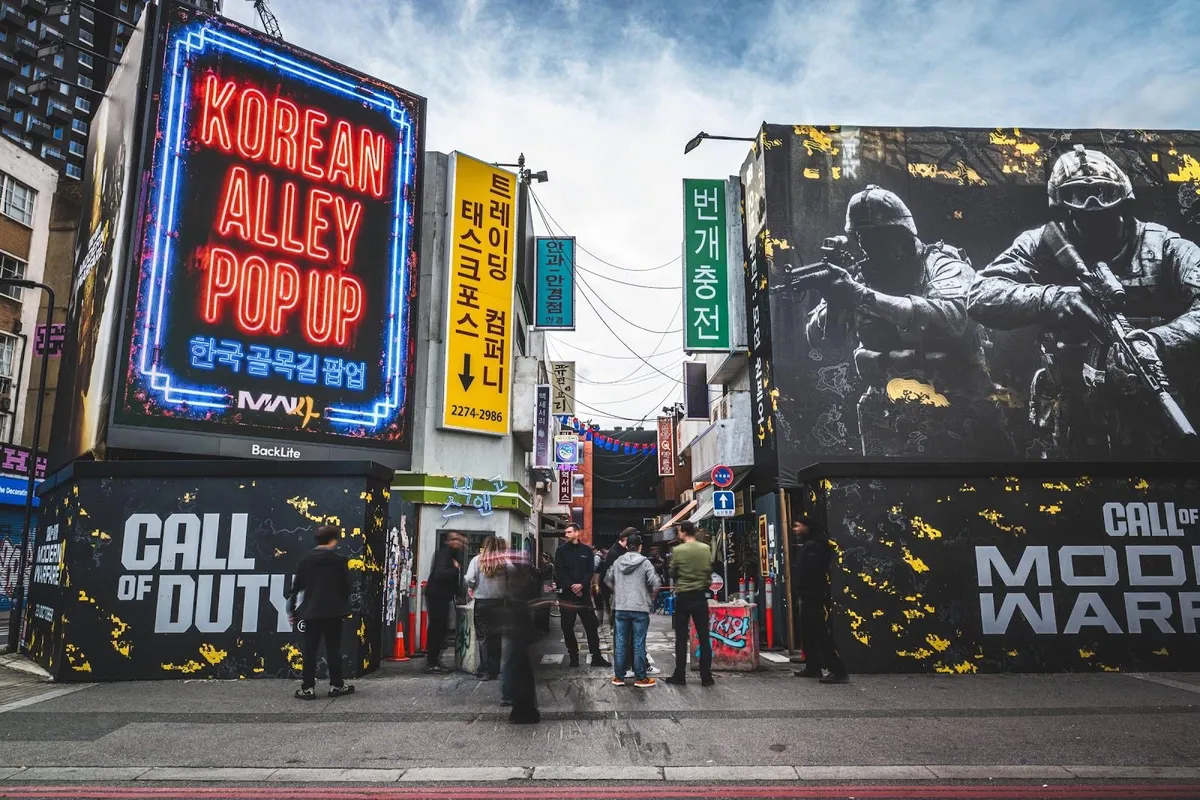
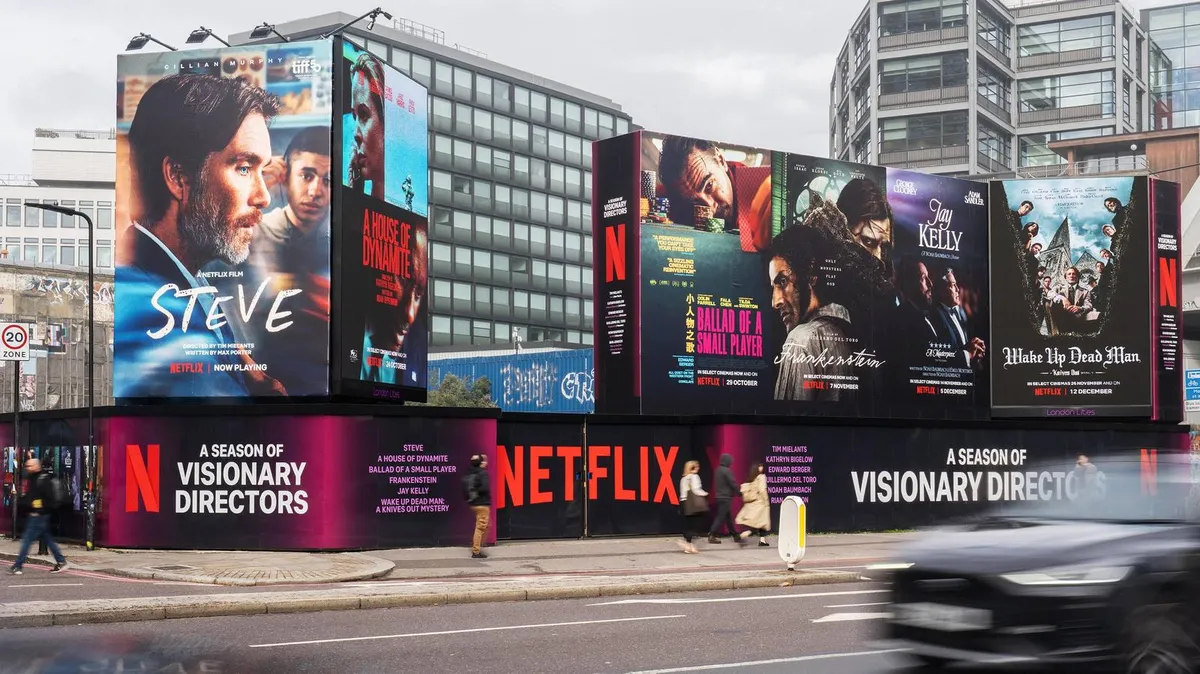
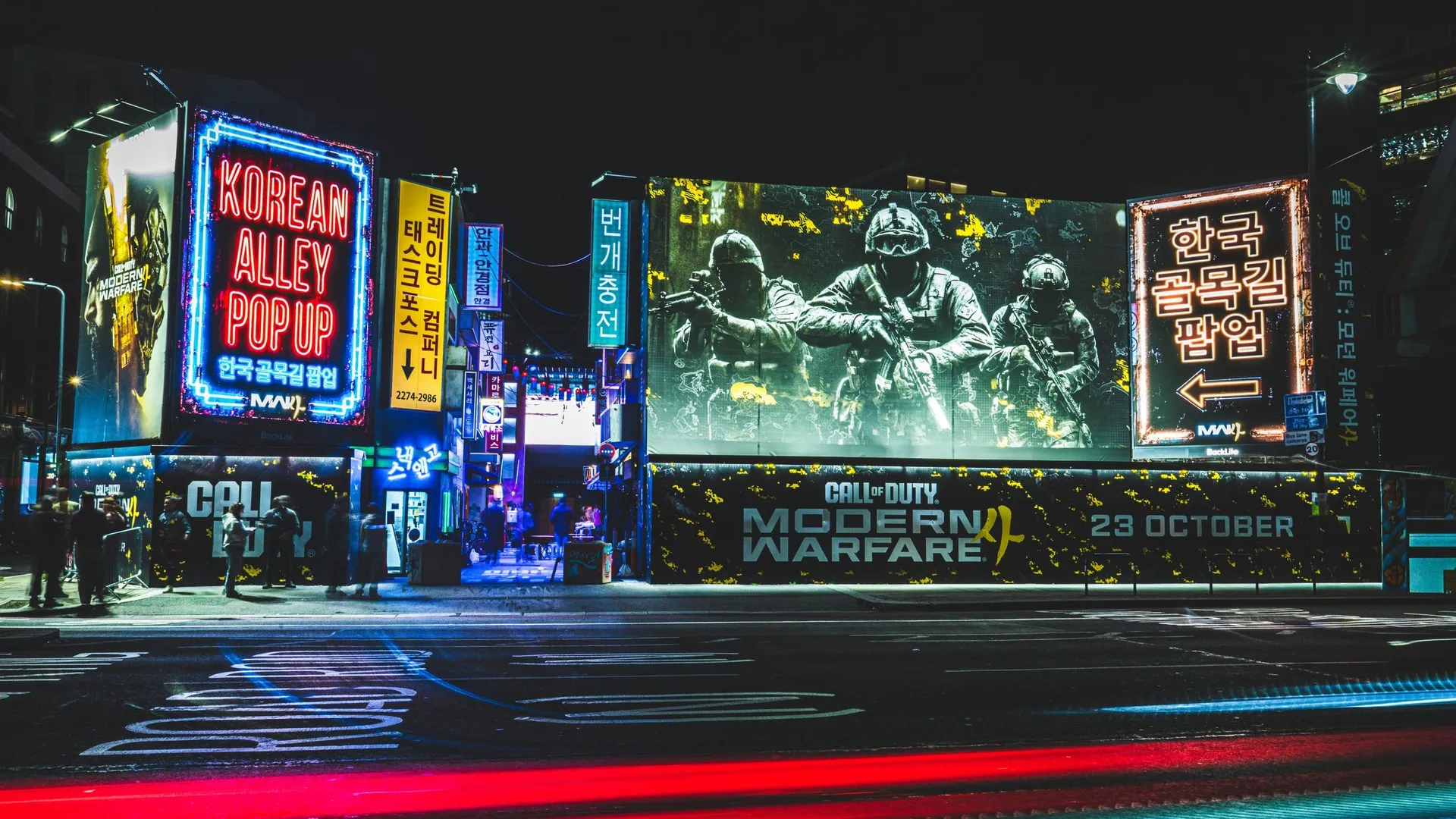
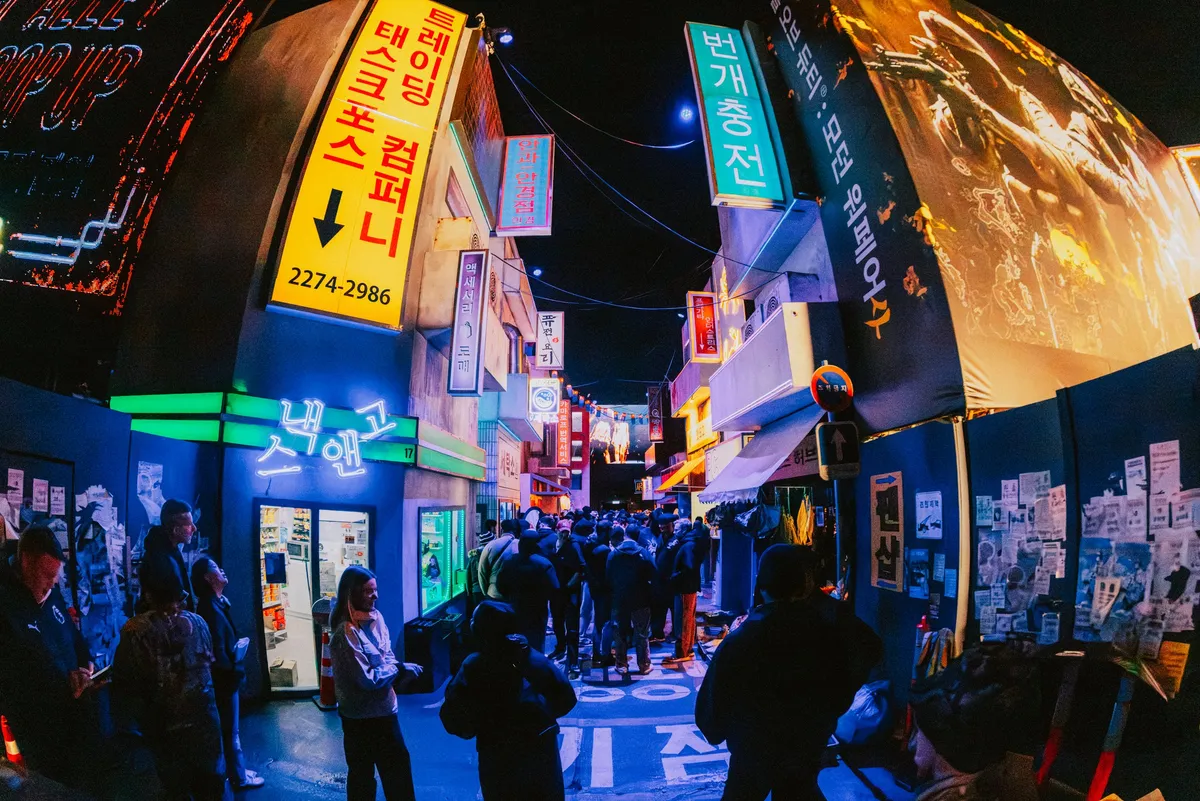
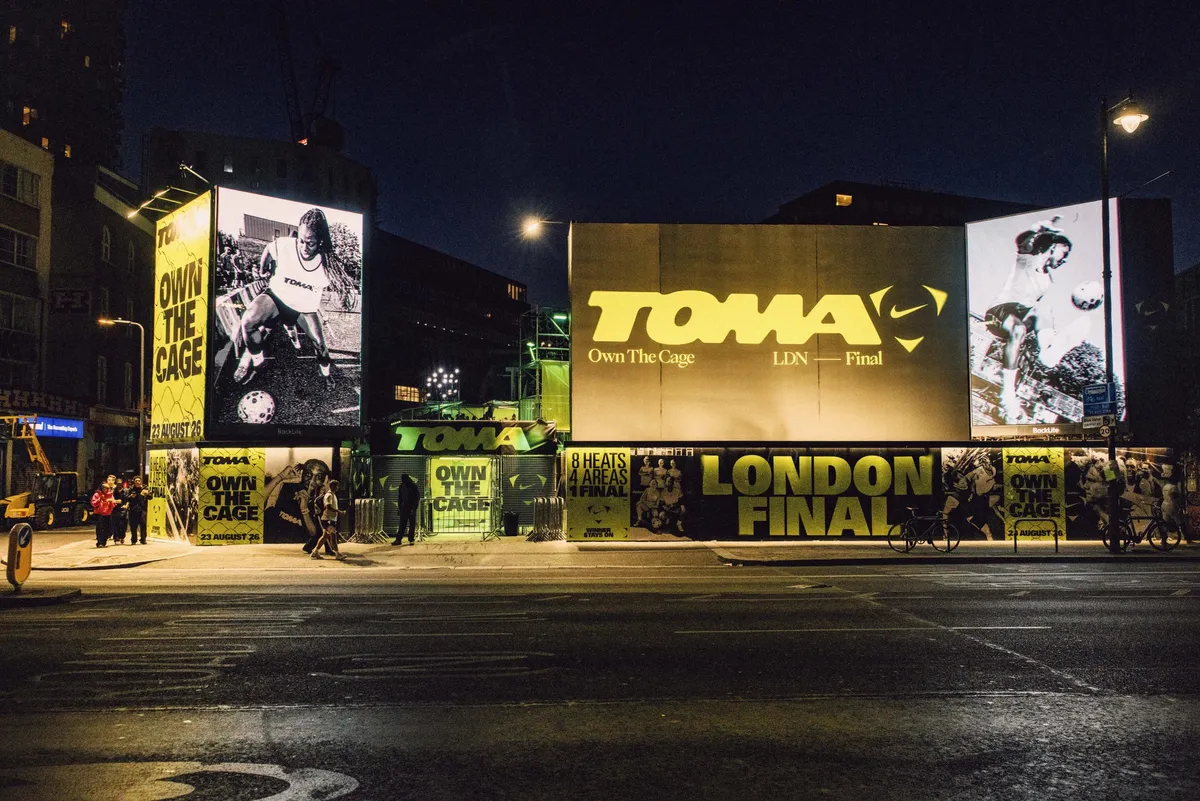
In fact, you can already see a version of this idea in east London. Electric Garden, on Shoreditch High Street, bills itself as “the billboard you can walk into”. It’s a 21,000 sq ft open-air site that sits behind a row of giant digital screens, so brands can run a campaign on the screens and then build a physical world behind them for people to explore.
Its launch campaign, for Activision’s Call of Duty: Modern Warfare 4, turned the site into a neon-lit, Seoul-inspired alleyway, complete with convenience stores, plastic stools and code-breaking missions. As co-founder Alex Ezen puts it: “A screen can capture attention, but a physical experience gives people a reason to stop, take part and share it.”
Smart glasses could deliver something similar without anyone needing to build an alleyway. That will make the brief for designers all the harder, of course, but personally, that’s the kind of challenge I’d relish.