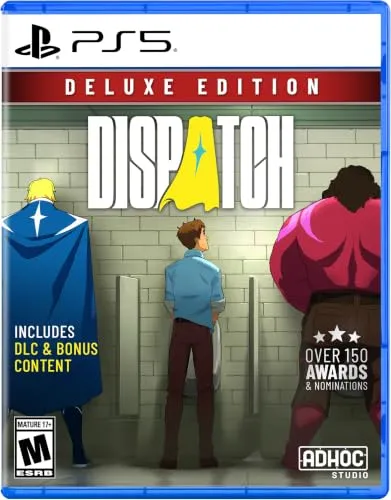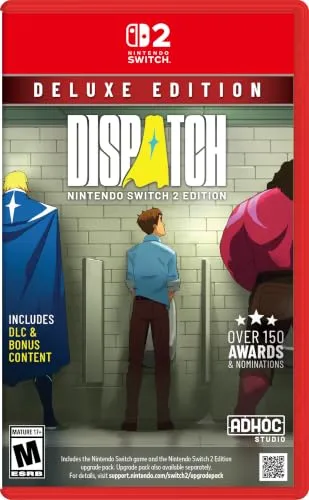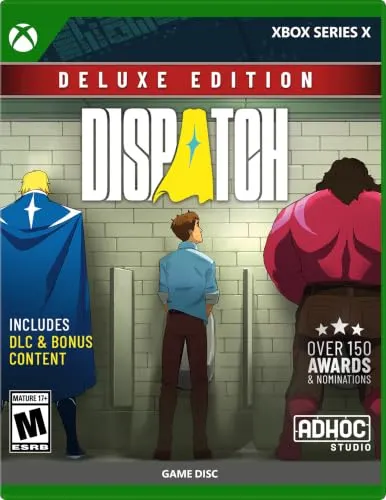





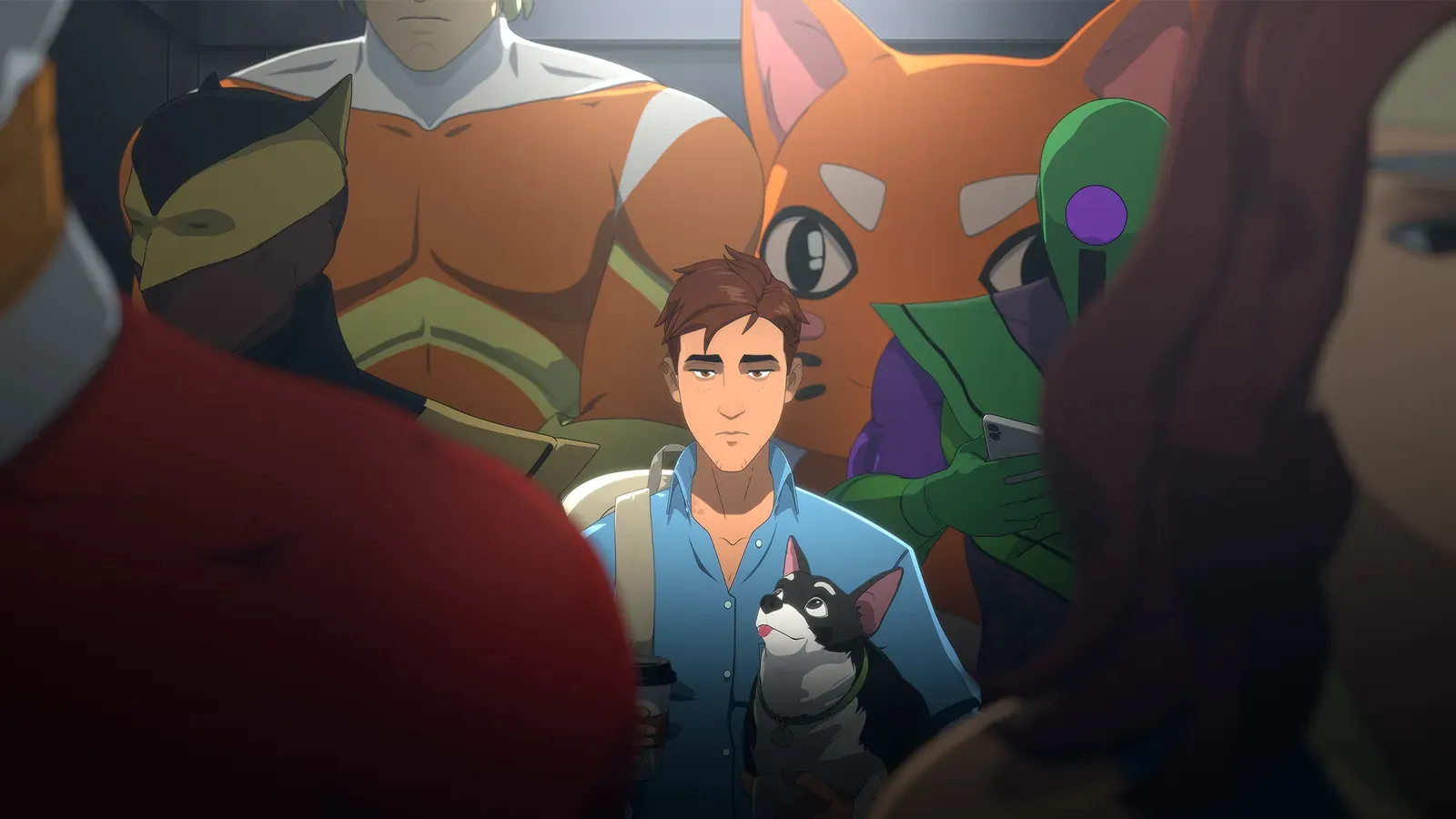
Dispatch looks, sounds, and plays like an animated TV show, and that was deliberate: AdHoc wanted it to be a no-barrier entry point for people who don't usually play games. A year after its launch on 22 October 2025, the episodic superhero workplace comedy has more than five million players, and the new Dispatch Deluxe Edition offers new ways to play, including replacing its graphics with storyboard art.
The game stars Breaking Bad's Aaron Paul as Robert Robertson, a former hero turned dispatcher for a team of reformed supervillains, alongside Jeffrey Wright, Laura Bailey, and members of the Critical Role cast. Getting that cast to feel like they're in the same room, and getting the player to feel part of the story, took a lot of invisible work.
You can read how four video tracks and a doughnut shop gave Dispatch its start, but here I ask co-founders Nick Herman and Dennis Lenart, the studio's COO and CTO, and both co-creative directors, how they nailed down the premium animation.
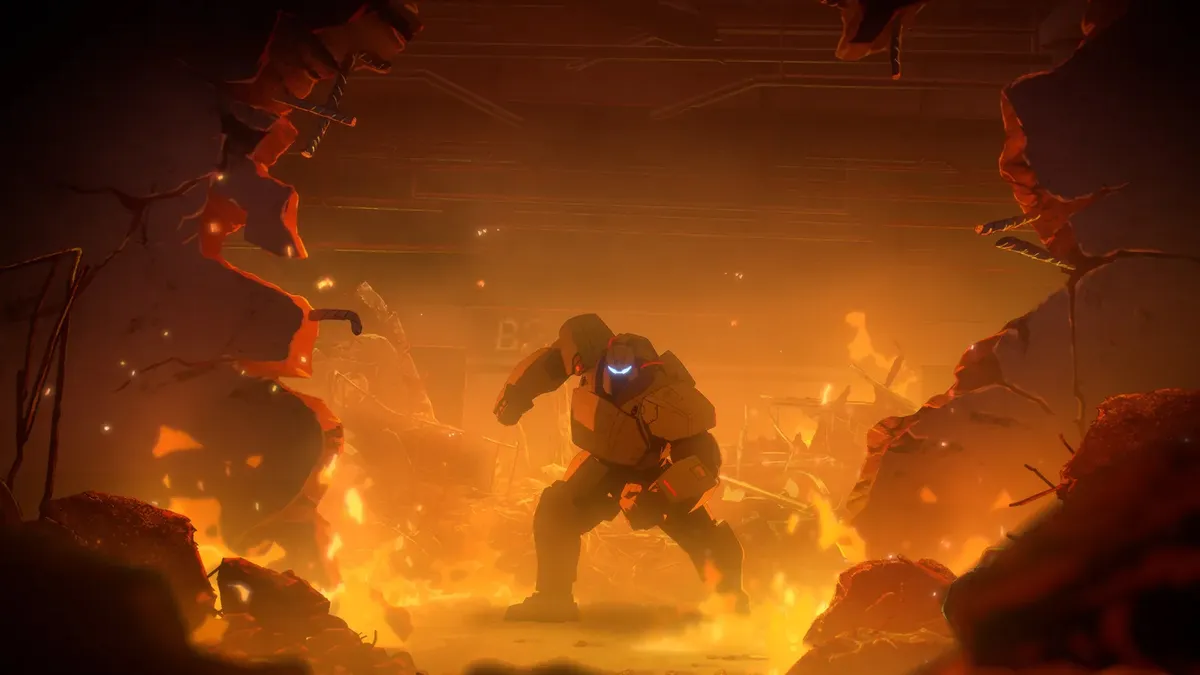
- Read our guide to the best animation software
Directing performances that branch
How do you keep dialogue, facial expressions and performances consistent when the player can send a scene in different directions? While it was made using Unreal Engine 5, it starts on the page. "Everything is written with choice in mind," says Herman.
AdHoc built its own tools to ingest scripts, including a playable script you can read and click through. That produces the recording script actors use in the booth, which Herman says is "a little bit crazy to read on a linear page". Do it long enough, though, and it starts to make sense. Each scene has a spine, and every time a choice appears, different options eventually trunk back into the main flow.
The studio also uses recordings as a directing tool. AdHoc ingests every performance as it’s captured, so when an actor records opposite someone already in the booth, the team can play those existing lines back for them to react to. In Herman’s example, with Aaron Paul already recorded, the team can bring in Erin as Blonde Blazer, play Paul’s lines for her to read off, then play him again after her response. It’s a clever bit of craft: AdHoc builds each conversation around real delivery. The effect, Herman says, is to simulate the actors being in the same room, which helps performances feel grounded and integrated. It also gives a scene its flow, because the actors know where they’re coming in from, and it makes testing branches easy.
It's clever craft. Rather than recording actors in isolation and hoping the performances fit together later, AdHoc builds the conversation around real delivery. The effect, Herman says, is to simulate the actors being in the same room, which helps performances feel grounded and integrated. It also gives a scene its flow, because the actors know where they're coming in from, and it makes testing branches easy.
By the time animation begins, the voice work is trusted, and the team is happy with it. The facial animation then comes down to knowing every character. "Not everyone laughs the same. When they cry, they look different," Herman says. "Every character is their own person. Like they are on the page, they are in animation." Getting there takes "a lot of review, a lot of ref", and the team shoots plenty of reference footage for its animators.
Making gameplay part of the story
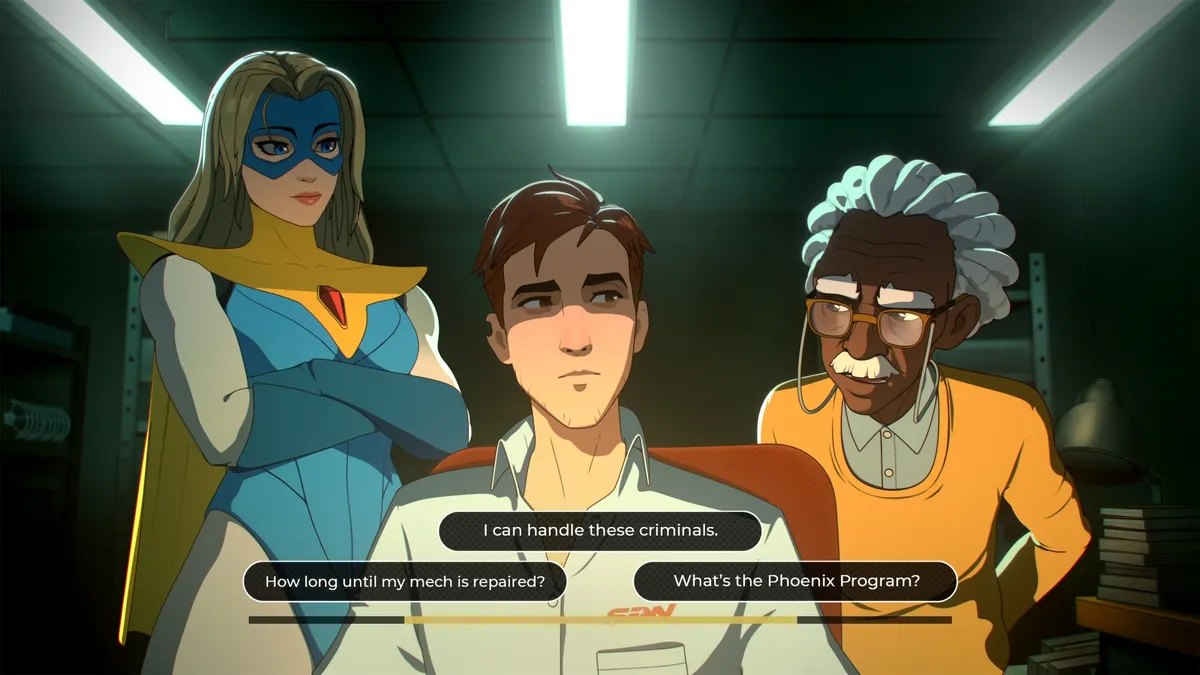
For AdHoc, the problem was the seam: the point where a cutscene ends and gameplay begins. “The goal was always to make it feel integrated,” Lenart says. Part of the studio’s philosophy is that gameplay and story should feel like a seamless handoff rather than two different experiences. He and Herman had worked on plenty of games with clear story sections and clear gameplay sections, “and you could feel that break every single time”. That, he says, “always kind of drove us crazy”.
When they dreamed of starting their own studio, one mandate was to choose mechanics that feel like an integrated part of a character's life, not scenes contrived for interactivity. If someone has to break into a room and pick a lock, it shouldn't be something the character would never do.
For Dispatch, that meant the shift mechanic. Robert sends heroes out on calls because it's his job. "It's the thing he does every day," says Lenart. "So, when he sits down at his computer to do it, it feels natural."
The team also made sure the Z-Team keep talking to the player throughout each shift, so the dialogue and relationships keep flowing, and the story never stops for gameplay. At times, a shift cuts out to a cinematic and back in again, and Lenart says that only feels organic because "we spent a lot of time and effort to make it that way".
Unlearning Telltale
Herman and Lenart both spent years at Telltale Games, the studio behind The Walking Dead, The Wolf Among Us, and Tales from the Borderlands, and Dispatch forced them to drop much of their old way of working.
At Telltale, Lenart says, cinematics were "fast and loose". Episodes were made in what the studio called live development: they would release one episode, then spend the next six weeks on the following. Things "could change at any time". Player feedback from the previous episode could feed straight back in, with tweaks to cinematics and character intentions right up until the day before shipping.
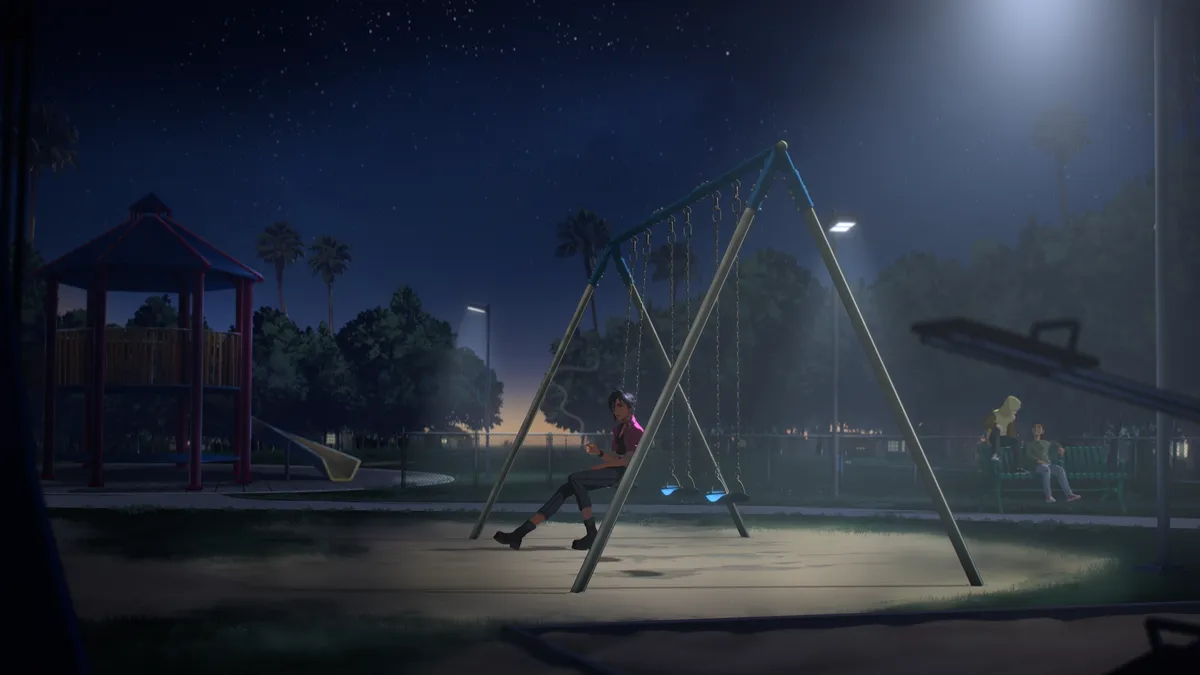
Dispatch had a different goal. AdHoc wanted the visuals and style to feel like "a premium animated television show" that wasn't a barrier for people who might enjoy a story like this but aren't typically into games. That meant a more traditional animation pipeline, with decisions made much earlier and, in some cases, locked down a year in advance.
"That was a really big learning curve for us since we were used to being able to make small adjustments all the way up until the last minute," Lenart says. But he now thinks the discipline made the game better. It "forced many detailed conversations way earlier in the process, which only better informed how each piece of the story was going to play out". His verdict: "Oh, this is actually the way to make the best quality product."
The Dispatch Deluxe Edition is out now on PlayStation 5, Xbox Series X, and Nintendo Switch / Switch 2, and $10.99 digital upgrade path for existing owners
Where to buy Dispatch Deluxe Edition