






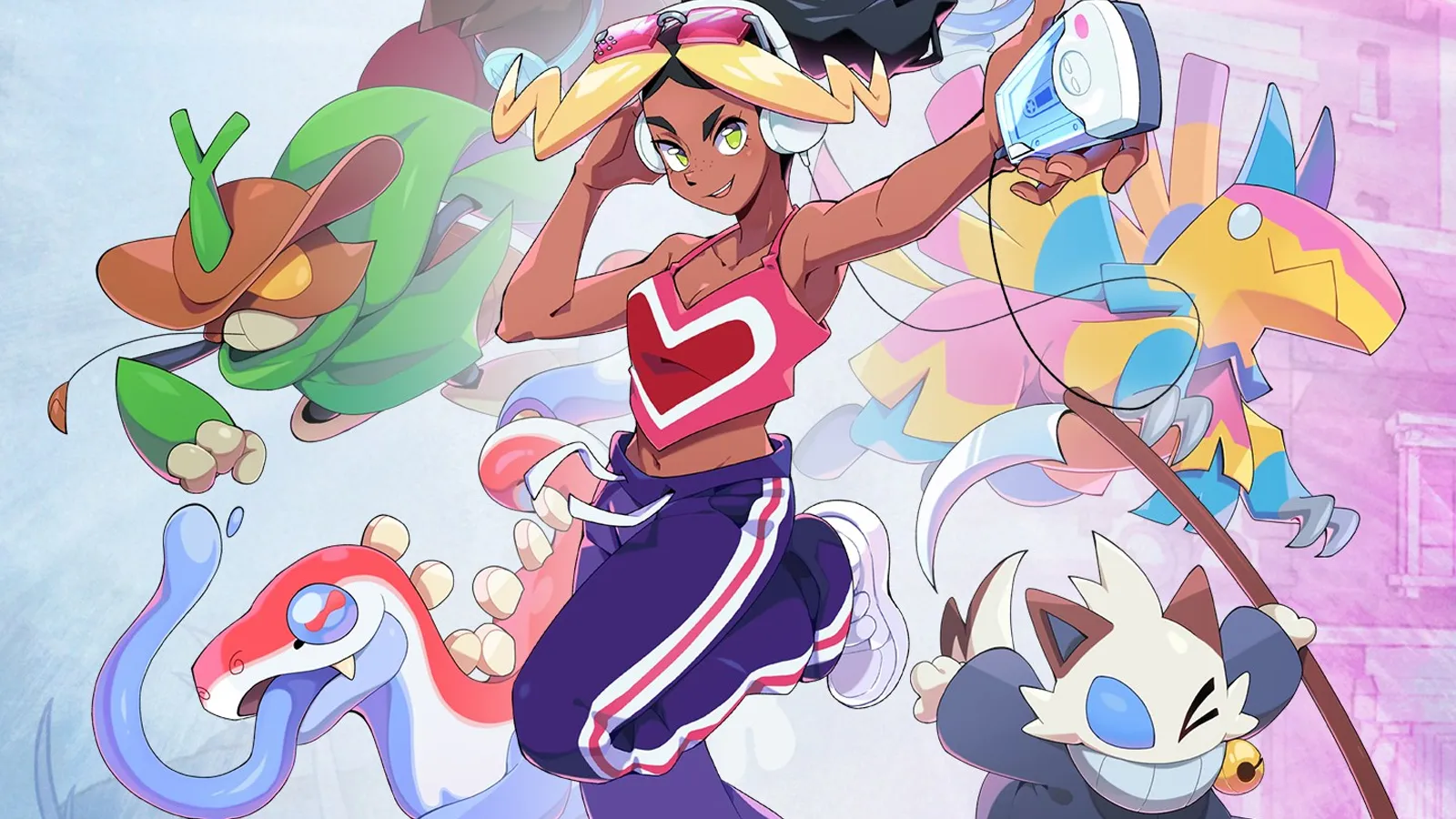
Plenty of Pokémon imitators have come along over the years, with the most brazen in recent years being Palworld. But look at 2023's Cassette Beasts, and you see how a creature-collecting game can offer a unique twist without following the same mascot-based formula. For one, it wasn't really about catching creatures but recording and then transforming into them yourself. Speaking to Bytten Studio's co-founder, art and game director Jay Bayliss, it had been important very early on to consider how Cassette Beasts would distinguish itself.
"We had the idea of fusion as a central mechanic, which Pokemon can't tap into because Pikachu is a mascot that you can't dilute by merging it with a thousand other beasts to get new beasts," he explains. "We also thought about focusing on the human characters, so maybe the beasts could be a reflection of the human characters, which led to the idea of transforming into them."
It also helped that Cassette Beasts aimed itself at a slightly older audience compared to every Pokemon game always having you start out as yet another schoolkid, though its British humour and sensibilities also stood out, which is something the Brighton-based studio is leaning even more directly on with its upcoming sequel.


Cassette Beasts 2002's very British setting
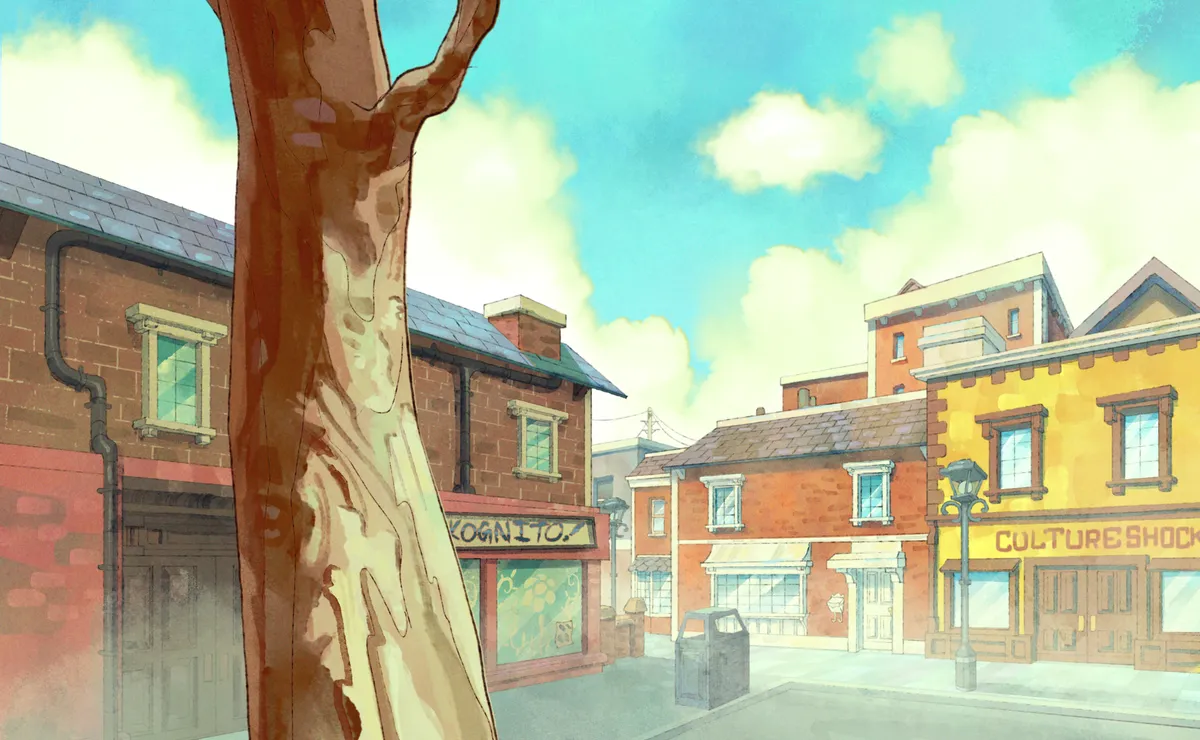
Cassette Beasts 2002 is set in London (as well as its alternate world of Nodnol), but it aims not to give the tourist version of the capital, but a quieter Zone 6 suburb version of it, with the town of Elmwich.
"We don't lean into a certain Paddington-esque twee Britishism about it," Bayliss explains. "Crucially, we're Northerners living down South in Brighton; we don't really play with that twee Britishness. We enjoy portraying quite a mundane, crappy version of suburban English life. We're so bored of the Harry Potter-esque upper middle-class boarding school fantasy take on it. I think this version's more fun."
As the title's palindrome suggests, Cassette Beasts 2002 is also set in 2002. That appeals to me personally, much like one of my favourite indie games released earlier this year, Perfect Tides: Station to Station, because it taps into my formative teen years. "The early 2000s also mark this crossing point between the analogue and digital age," Bayliss explains. "The internet exists, but you don't have smartphones. People do have mobile phones in the game, but we haven't got the Panopticon of social media. For artists younger than me, they reflect on this ethereal time they just missed out on, just before we had the baggage of the modern world overwhelming you."


Getting the Y2K art and design right
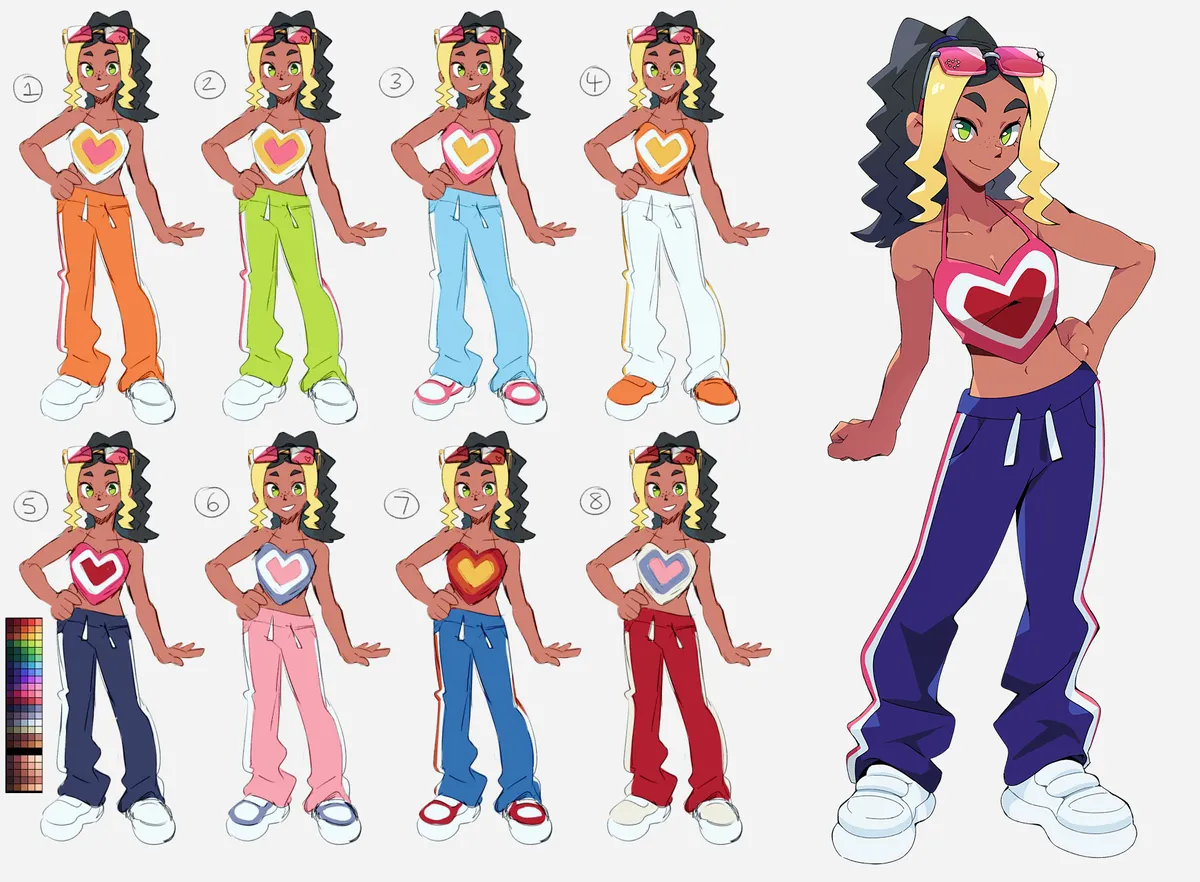
It was also important to reflect the era's aesthetic and fashion. "Skewing male, game developers often don't appreciate fashion, but if you go on TikTok and social media, people are very interested in noughties fashion," Bayliss explains. "There's a lot of interest in exploring that time that we don't discount, and that's reflected in the fashion sensibilities of the characters and the character designs themselves as well."
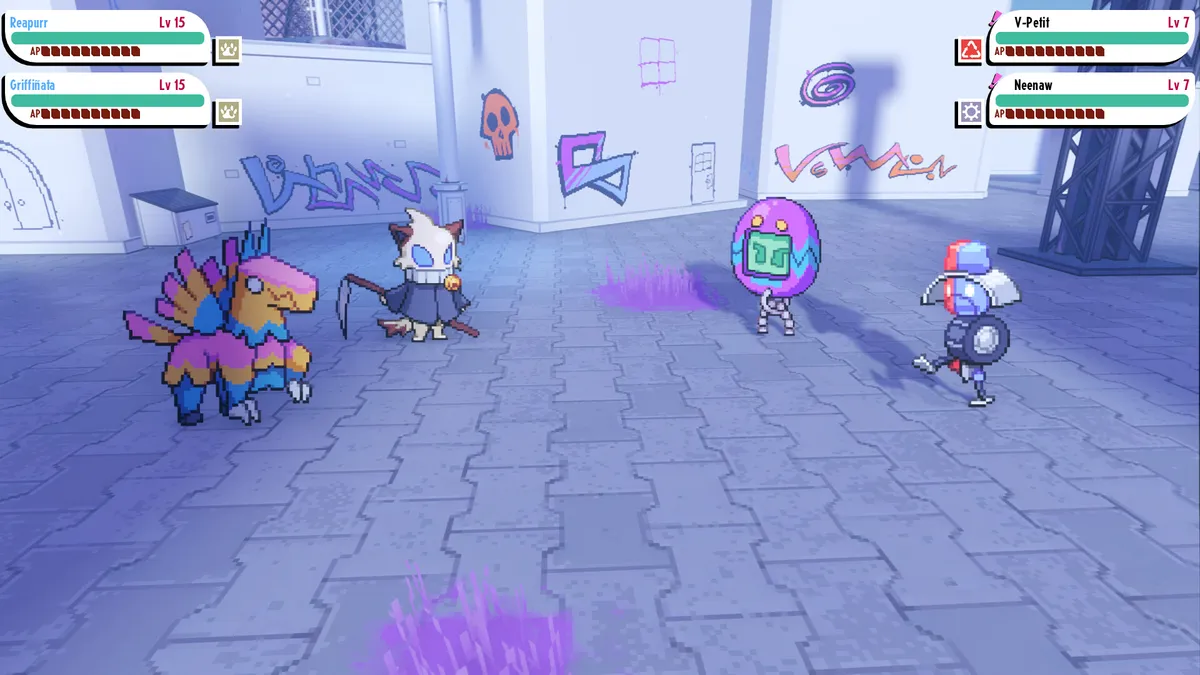
Perhaps a major visual shift with this sequel is a more 3D one. Well, it's a case of perspective, literally. The original Cassette Beasts, while presented in the traditional top-down perspective of classic Pokemon and other 8- and 16-bit RPGs, was actually made in a 3D engine, albeit with environments given pixelated textures to match its 2D character sprites. In Cassette Beasts 2002, the camera drops down so things are presented as a third-person 3D game, except its characters are still pixel-art sprites presented with a billboarding technique.
"We were like, what if we can design this game with higher resolution sprites, with eight directions so when you pan the camera around, it feels less awkward?" Bayliss explains. "From a technical point of view, you have to rethink how you're designing worlds, but suddenly the perspective and scale you have in these worlds is very different. If you took the first game and dropped the camera down, it would probably feel very small, so it changes how we sculpt and design the world."


Why use the Godot Engine?
Cassette Beasts 2002 is also developed with the open-source Godot engine, which more indies are turning to. Although Bayliss recalls the challenges of porting the game's predecessor, which was developed with Godot 3, the latest iteration, Godot 4, that the studio is using has greatly improved features, including porting and performance, that make it a more viable alternative to Unity.
"If you sign up to Unity, you're kind of on the hook for any changes that Unity makes, whereas with an open-source engine, if you don't like changes, you can change the engine," Bayliss explains. "I think the flexibility of Godot is what allows a team of two full-time developers to make a big 25-hour RPG. It's just a very uncomplicated engine - you make stuff, you put it in, it's in the game. If there's anything that you need to fix, you don't have to submit a bug report to the back-end team and hope they fix it in the next two years; you just go in and fix it yourself."
Cassette Beasts 2002 is releasing in March 2027 for PC, Xbox Series X/S, PlayStation 5, and Nintendo Switch 2. You can wishlist it now on Steam.