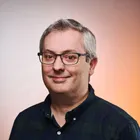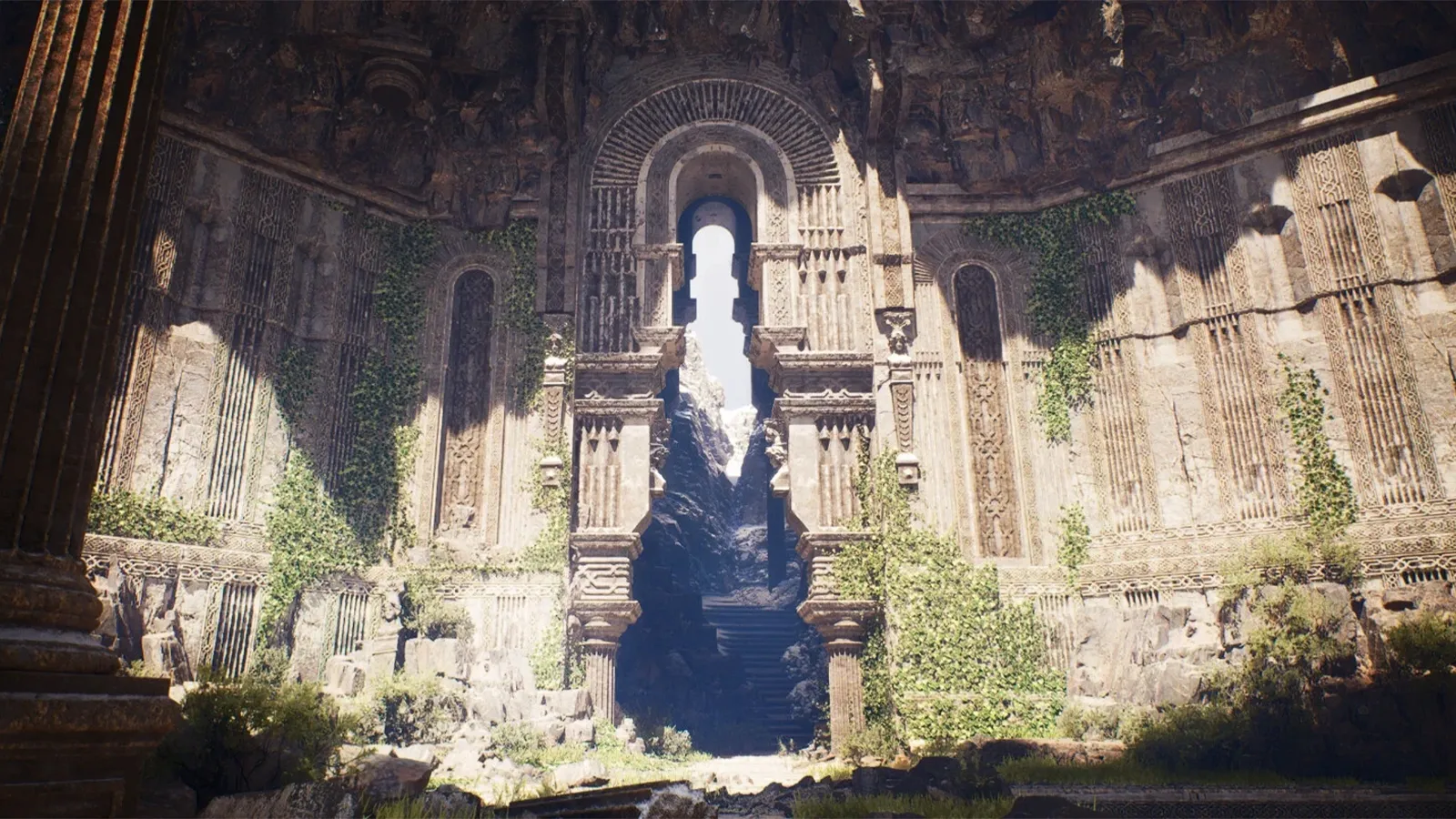
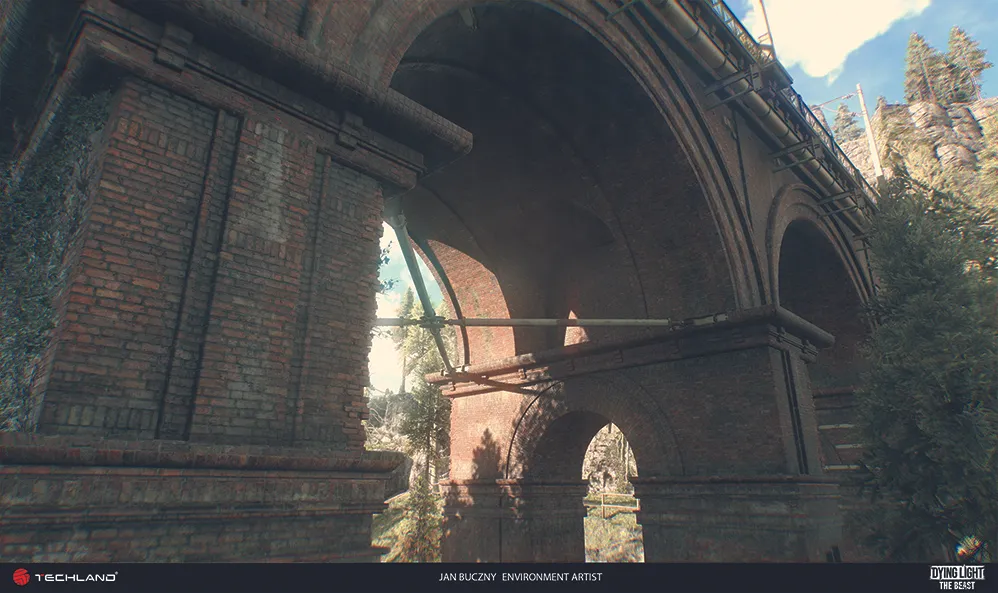
Some artists talk about worlds in terms of scale or spectacle, but 3D artist Jan Buczny, who worked on Dying Light: The Beast, where he "focused heavily on realistic material ageing and believable decal layering", will happily get sidetracked by a rock, or hundreds of them (he says in his ArtStation profile he knows '137 interesting facts about stones), and honestly, that tells you everything you need to know.
Now a senior environment artist at Techland, his route into games wasn’t the obvious one; he started out studying architecture but became more interested in where a building sits than in how it looks, the ground beneath it, and how an environment can shape everything around it.
That curiosity never really went away; it just shifted into games, into spaces that tell stories and can be loaded with lore. His work leans into that idea of environments as storytellers, not backdrops, where even something as overlooked as a stone carries history, weight, and just enough intention to make it feel real, even if, as he’ll tell you, it’s all just clever tricks under the hood.
Below, we speak with Jan (this interview first appeared in our sister magazine ImagineFX), in which we reveal what got him started in art and the advice he can pass on. For more art, visit Jan Buczny's ArtStation portfolio.
CB: Where did your artistic journey start?
Jan Buczny: My artistic journey began with learning to draw and studying architecture. At first, I was drawn to structure, composition, and the logic behind buildings. But when I started painting with watercolours, I realised that what truly excited me wasn’t becoming an architect – it was the act of creating images and atmosphere. Over time, that passion evolved and found a new medium. Eventually, Unreal Engine became my canvas, allowing me to combine structure with emotion and build worlds rather than just design them.
CB: As a young artist, were there worlds, in movies, comics or art, for example, that gave you a desire to create your own?
JB: Absolutely. I was fascinated by the battle descriptions in The Lord Of The Rings and The Hobbit – the scale, the atmosphere, the sense of myth. Fantasy worlds have always had a strong impact on me. The comics my father showed me, like Thorgal, Rork and Sláine, also shaped my imagination in a profound way. They felt mysterious, epic and slightly surreal.
But perhaps my biggest inspiration has always been my father himself. He is an artist, and our conversations often turn into intense creative brainstorms. Those discussions planted the desire not just to admire worlds, but also to build my own.
CB: If you were starting out now, what words of wisdom would you most appreciate being given?
JB: I would tell myself to be more patient. Early in my career, I was promoted quite quickly. While it was an incredible opportunity, it also meant intense pressure and a very demanding pace of work.
Growth came fast – maybe too fast at times. Looking back, I would advise taking things more slowly and allowing more space for comfort, exploration, and balance. Ambition is important, but longevity matters even more. A sustainable rhythm often leads to stronger, more thoughtful creative work.
CB: Are there any challenges to working in 3D?
JB: One of the biggest challenges is the constantly expanding ecosystem of software and tools. Every year, there are new workflows, plug-ins, techniques and technologies to learn. The pace of change is exciting, but it can also feel overwhelming.
I often catch myself discovering new “tips” or methods that I feel I should already know – while still working to truly master the fundamentals. That balance between staying up to date and deepening core skills is an ongoing challenge. At the same time, it’s also what keeps the field dynamic and pushes me to keep growing.
CB: What is your next step in art or life?
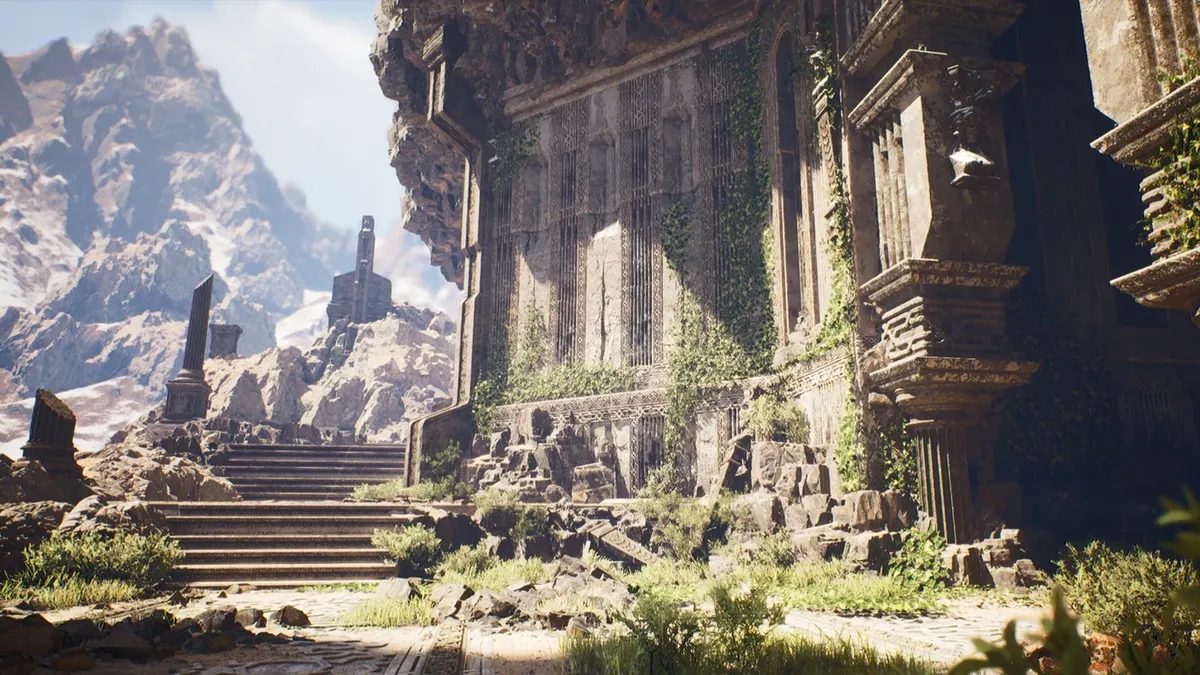
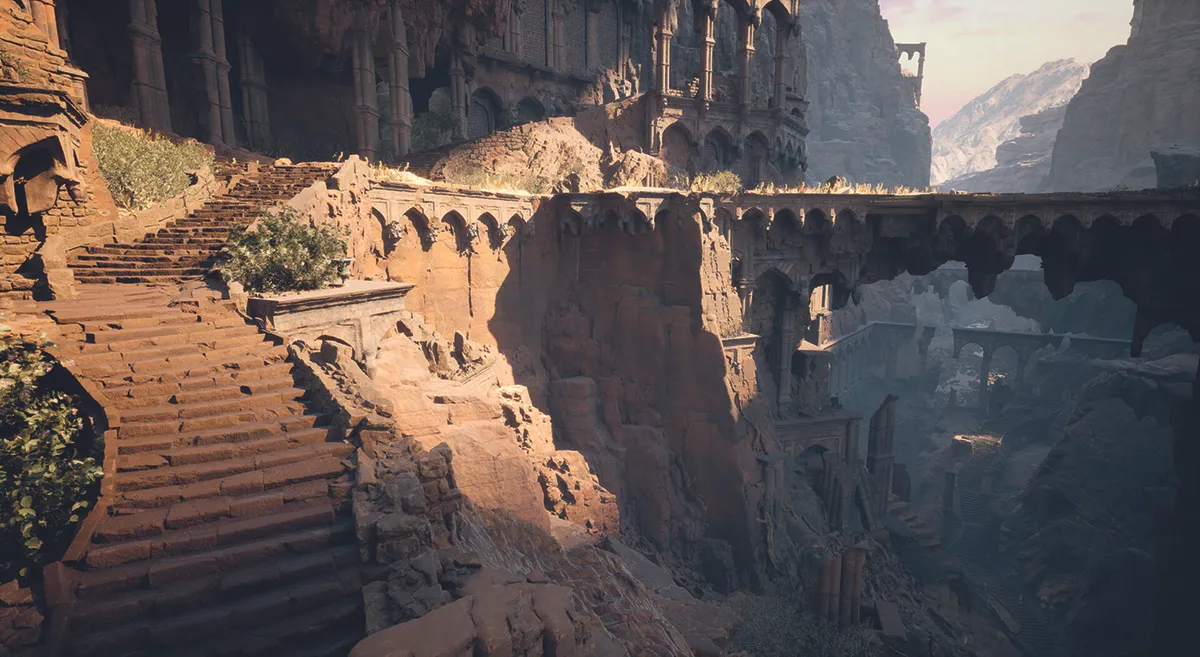
JB: I’d like to become a more complete artist. Right now, I’m focused on improving my lighting skills and learning more about effects and post-production, so I can build scenes in a more holistic way. What you see in Desert Castle is part of that learning process – an attempt to approach environment creation with greater depth and control over the final image.
At the same time, I don’t want to lose touch with sculpting. I still spend late evenings in ZBrush, shaping forms and exploring ideas. For me, growth means expanding my toolkit while staying connected to the fundamentals that made me fall in love with art.
Get the 3D art tech: