Disney and Pixar have made some of the most influential animated films of the 2000s, so budding animators want to pay attention when an alumna shares a tip.
A Disney actor turned animator turned game developer has just shared one of her favourite pieces of technical advice for achieving fluid animation, and it's a point she says is often overlooked (you might also want to make sure you're familiar with the Pixar rules of storytelling).
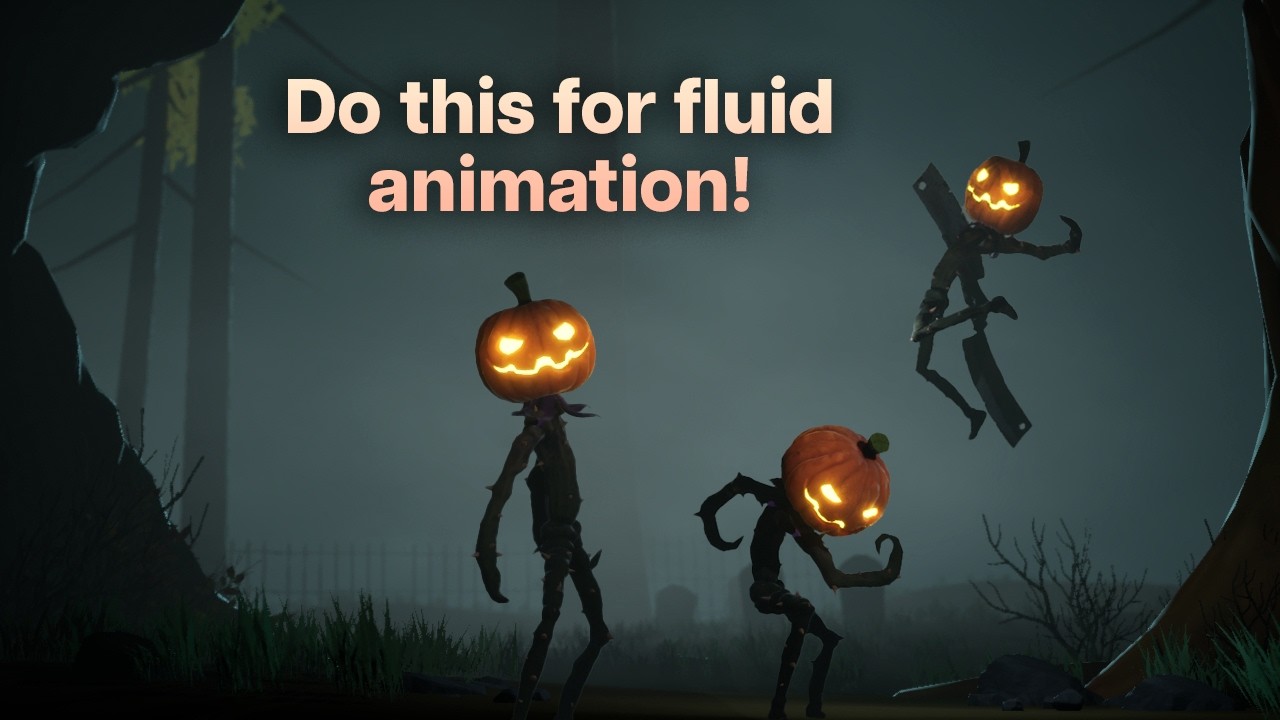
Libby Peterson is a former Disney and Pixar animator who worked on movies such as Lilo & Stitch. Stylised keyframe animation is her specialty. She's now working at Lucasfilm’s Industrial Light & Magic while also developing a K-Pop souls-like indie game in her spare time.
In the video above, she uses a character from her game to demonstrate the importance of extremes in animation. She says many people make the mistake of only focusing on key storytelling poses and breakdown poses, not on extreme poses.
An extreme pose is the furthest point that any part of a character's body touches. In a jump, for example, it would be the highest point the body reaches.
Libby points out that extreme poses naturally incorporate two of the 12 Disney principles of animation: arcs for natural-looking movement, and offset and drag to convey the impression of weight and mass.
"Focusing on your extremes and making sure each axis in both translations and rotation hits its extreme on different frames is what makes animation fluid," Libby says "Also make sure the extremes of different parts of the body hit on different frames as well. Essentially this is how I think and approach animating drag and follow through and create arcs."
It's vital to focus on individual rotations and forward and left to right movement and making sure they don't hit on the same frame, Libby says, otherwise, you get triangular janky movement.
The focus on extremes applies both to a pose-to-pose or a layered workflow, although Libby says it was when she was animating layered that the importance of extremes really clicked because animating one muscle mass at a time forces you to think about extreme poses and energy.
She recommends studying video reference to see where extremes naturally occur and then exaggerate them as needed for the desired animation style.
You can see more of Libby's insights and tips on her YouTube channel.
If you need to gear up for your own animation practice, see our picks of the best animation software and the best laptops for animation.