
Our Verdict
The game delivers believable virtual actors and a sci-fi horror that's at once familiar and fresh, but Directive 8020's focus on lacklustre survival-horror gameplay over a meaningful, choice-driven narrative dilutes what originally made the studio's brand of cinematic horror stand out.
For
- Strong performances enhanced by Unreal 5
- Effective mix of optimistic sci-fi with body horror
- Feels like an episodic TV show
Against
- Basic stealth and exploration
- Turning Points dilutes stakes
- A divisive twist
Why you can trust Creative Bloq Our expert reviewers spend hours testing and comparing products and services so you can choose the best for you. Find out more about how we test.
Publisher Supermassive Games
Developer Supermassive Games
Release date 12 May 2026
Format PS5 (reviewed), Xbox Series X/S, PC
Platform Unreal Engine 5
Since breaking out with PS4 sleeper hit Until Dawn in 2014, Supermassive Games has carved out a unique niche in interactive horror that feels like you're watching a horror film that you can also play, which can impact who makes it out alive.
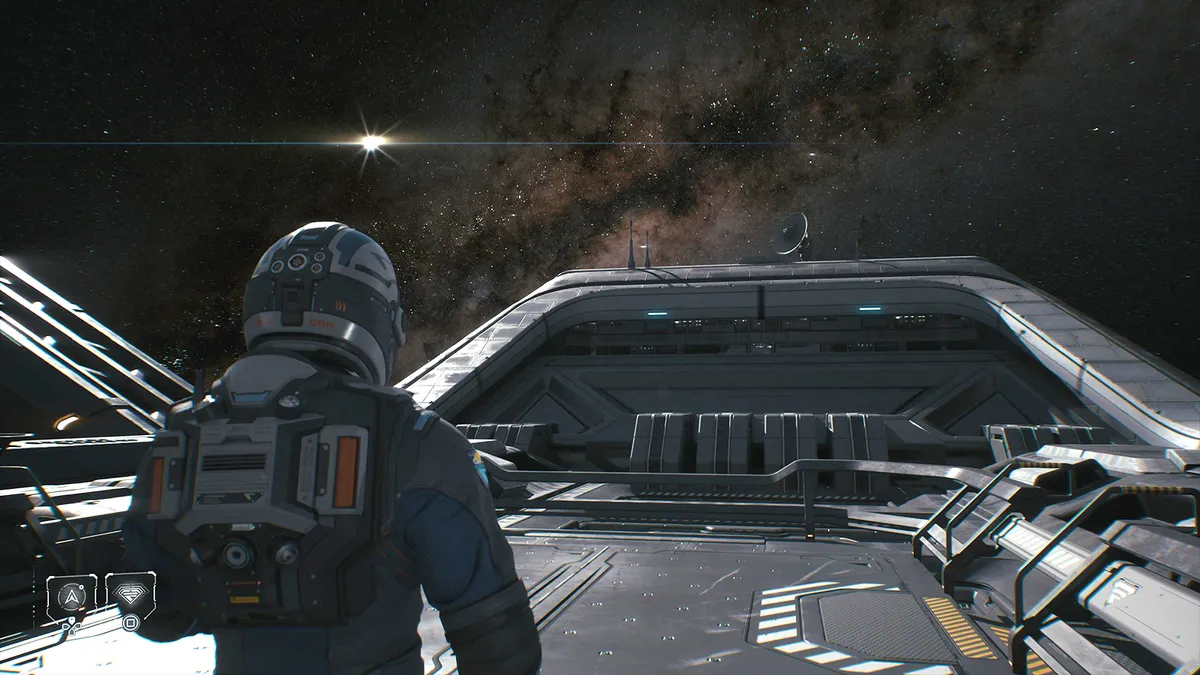
While the UK studio has already covered a smorgasbord of horror genres in its Dark Pictures Anthology, Directive 8020 boldly goes in a new direction with a sci-fi story. Obviously, Alien would immediately come to mind, especially as the game also begins with a ship in outer space while its crew members are in cryosleep. But when you think about it, space horror is still vastly underexplored in film, or at least hasn't yielded many other memorable ones of note.
Despite a premise in which the Earth is dying, Directive 8020 actually has an optimistic perspective and aesthetic that contrasts with Alien's analogue 'casette futurism'. After all, the diverse crew of astronauts aboard the colony ship, the Cassiopeia, is on a mission to save the human race by finding a new home, with the distant planet Tau Ceti f being the most likely candidate. Naturally, this is being bankrolled by a corporation that has its own shady agendas, yet Corinth Corporation arguably puts on the appearance of a benevolent entity working towards the good of humanity, and even its CEO is part of the crew – a different vibe to Weyland-Yutani's corpo-fascism.



Some Thing familair
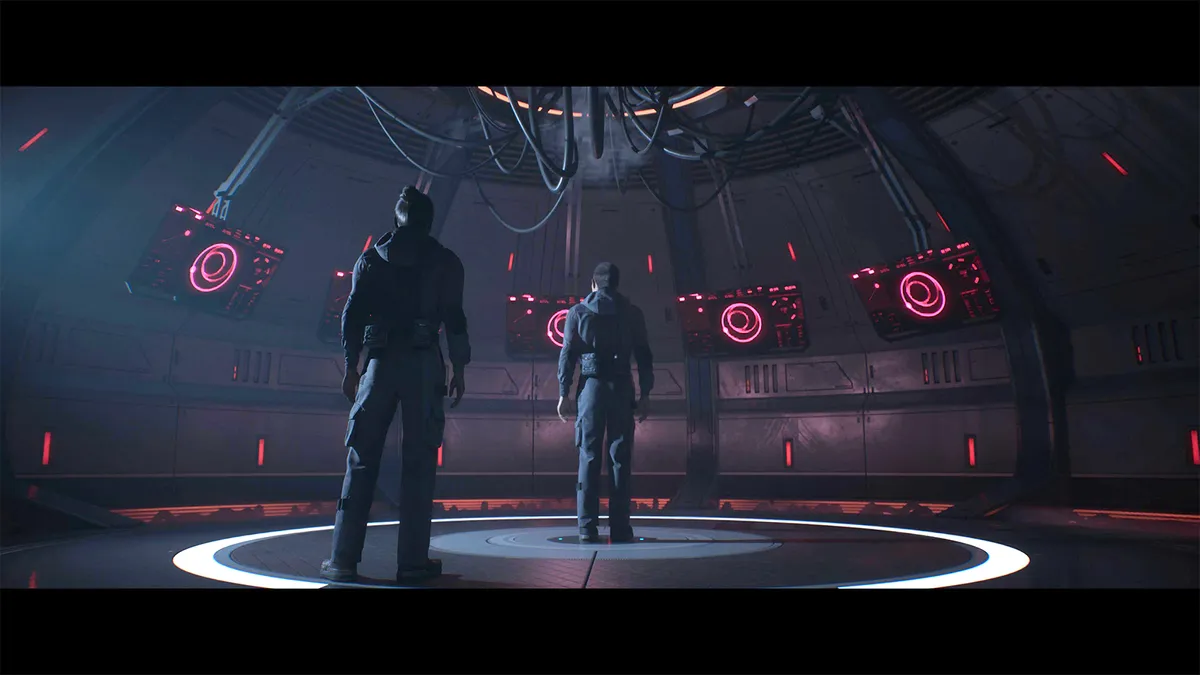
Of course, things still go to hell pretty early on when something hits the ship, bringing on board an extraterrestrial lifeform that can copy and mimic others on board. But it takes its time to make use of its The Thing-in-space premise that's supposed to bring paranoia as you wonder whether your fellow crew members are who they say they are, with more instances when there's little ambiguity since you're running away or hiding from a colleague clearly trying to kill you. Still, there are actually more people on the Cassiopeia than the five you get to control; it still leaves room for you to doubt.
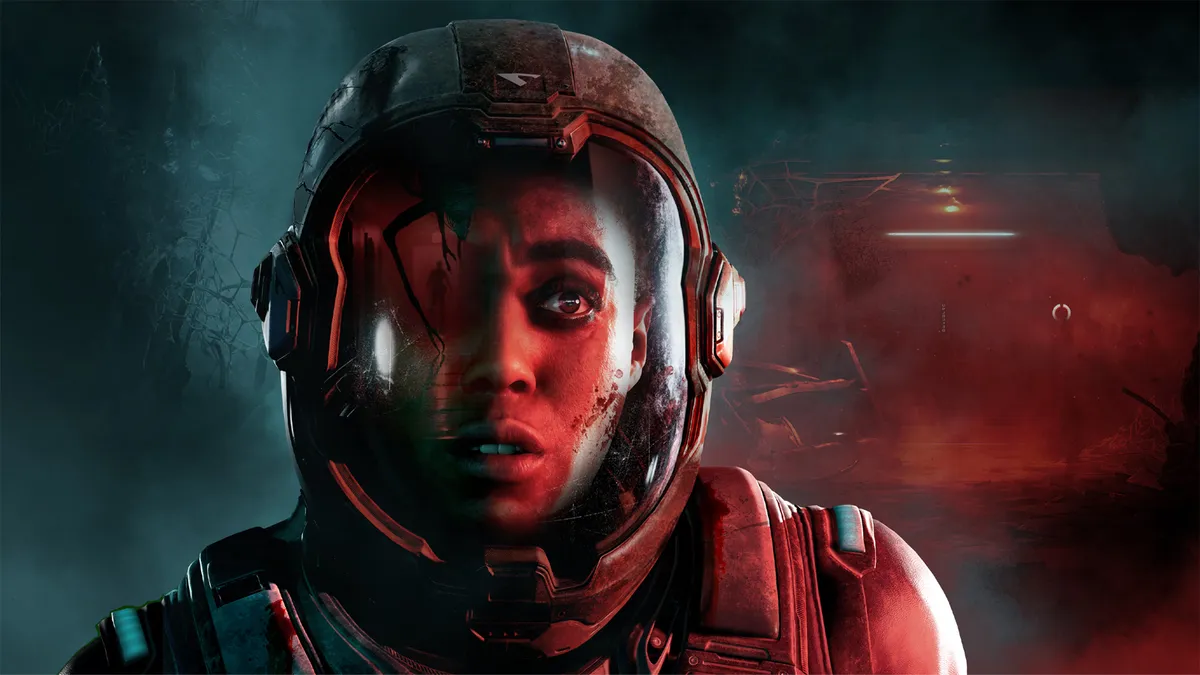
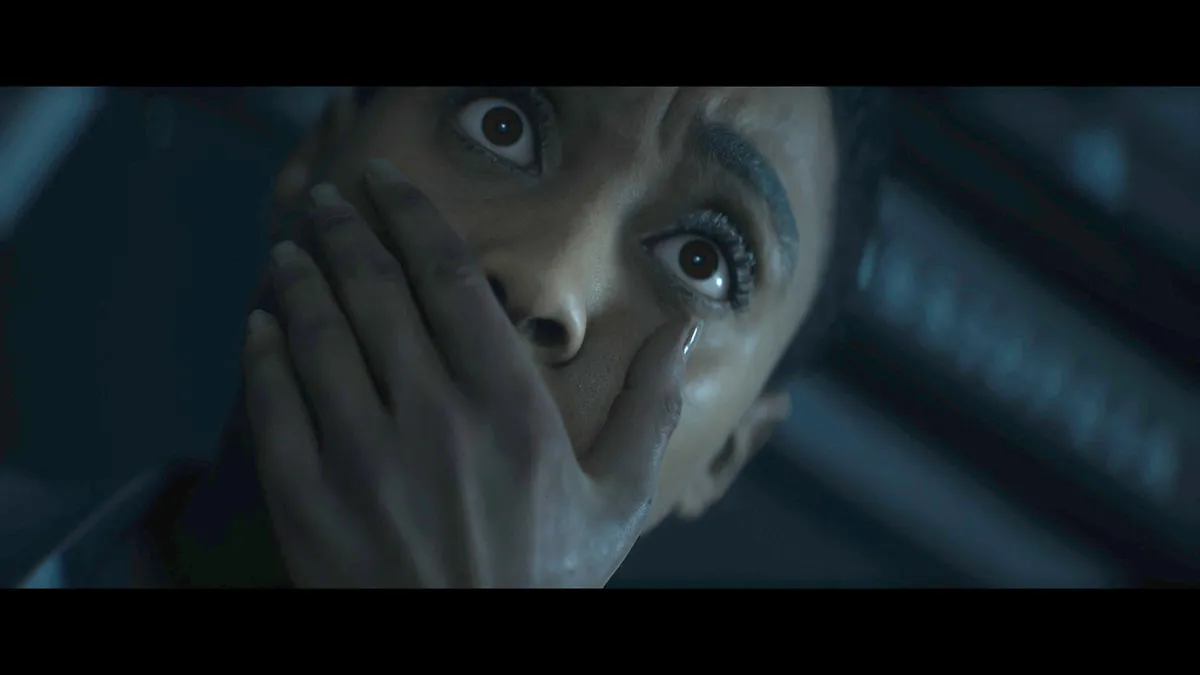
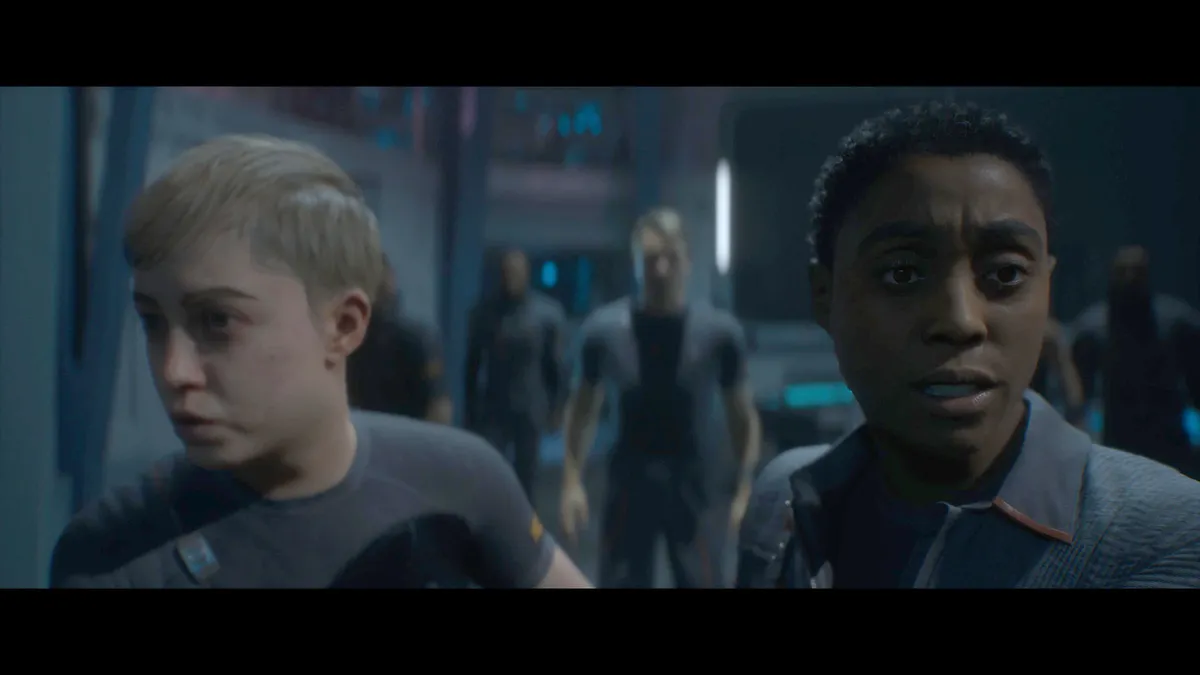
Even if Lashana Lynch's Brianna Young might be the de facto star (also lending her likeness to the character she voices), Directive 8020 does play out like an ensemble, the events themselves being narrated by the senior mission officer, Laura Eisele, while everyone's got their own baggage, like medical officer Samantha Cooper, who had been the sole survivor of a disastrous Mars mission. The narrative then allows you to become emotionally invested in the whole crew's survival rather than just for completionist cred.
Yet for all the strength of the performances and the cinematic art direction (the best setup is a PS5 Pro and a 120Hz-compatible TV, so you can get the highest-quality visuals at an improved 40FPS frame rate), it also tries a bit too hard to be a game. That is to say, there's an awful lot of walking around, looking around, completing puzzles and using stealth to avoid the deadly threats that are lurking, while the sci-fi setting seems to have been an excuse to add more UI elements and menu tabs than a cinematic game typically calls for. At least these don't necessarily slow the pacing, with each of the eight episodes still lasting as long as a typical TV show episode.


It's not Until Dawn in space
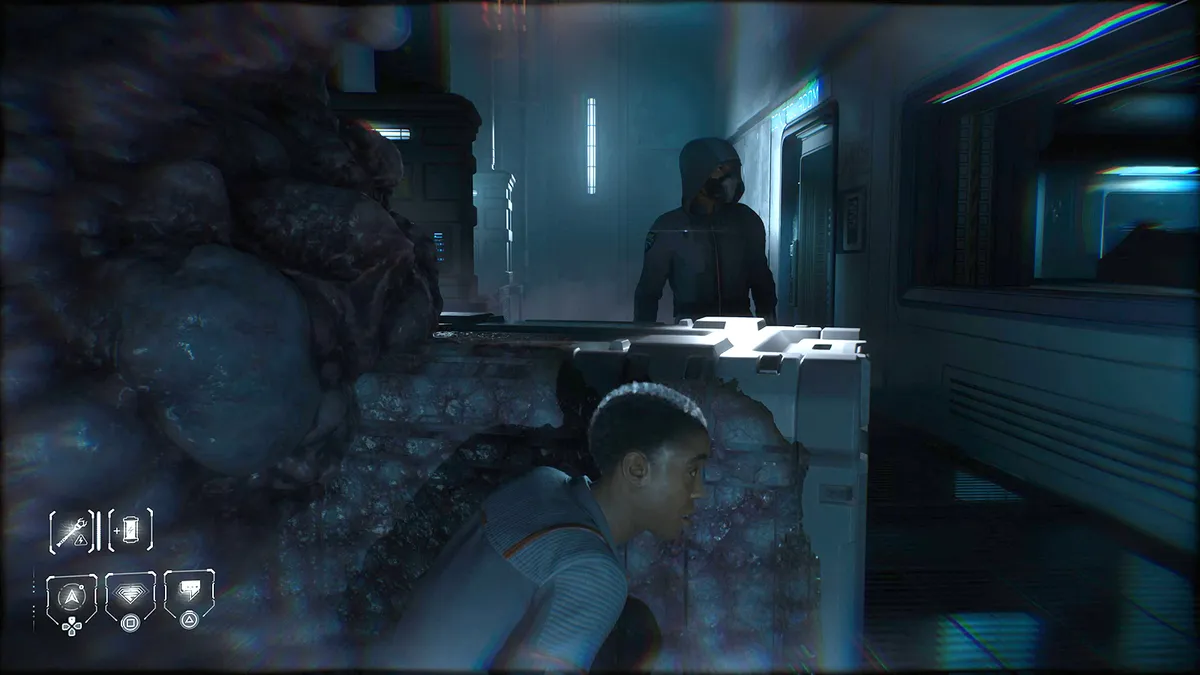
If you were hoping that Supermassive would return to the more cinematic framing techniques used in the original Until Dawn, you're going to be disappointed (admittedly, this is a debate that can go back to whether you thought Resident Evil was better with fixed cameras or not). And yet, because this is also intended as a 'party horror' that can be played in a group regardless of skill level, none of these third-person interactions is ever as challenging or as intense as those in a traditional third-person survival horror. If anything, crouching behind knee-high cover as an enemy approaches, who then idles around before wandering onto its next scripted path, dilutes any intended horror.
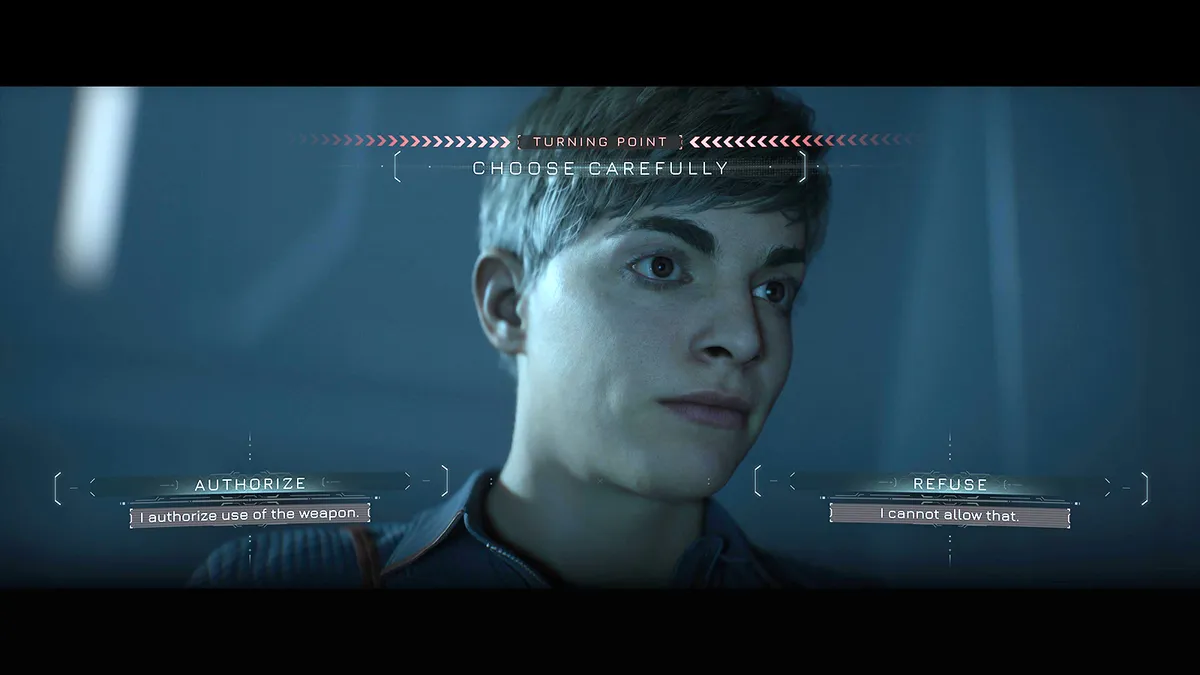
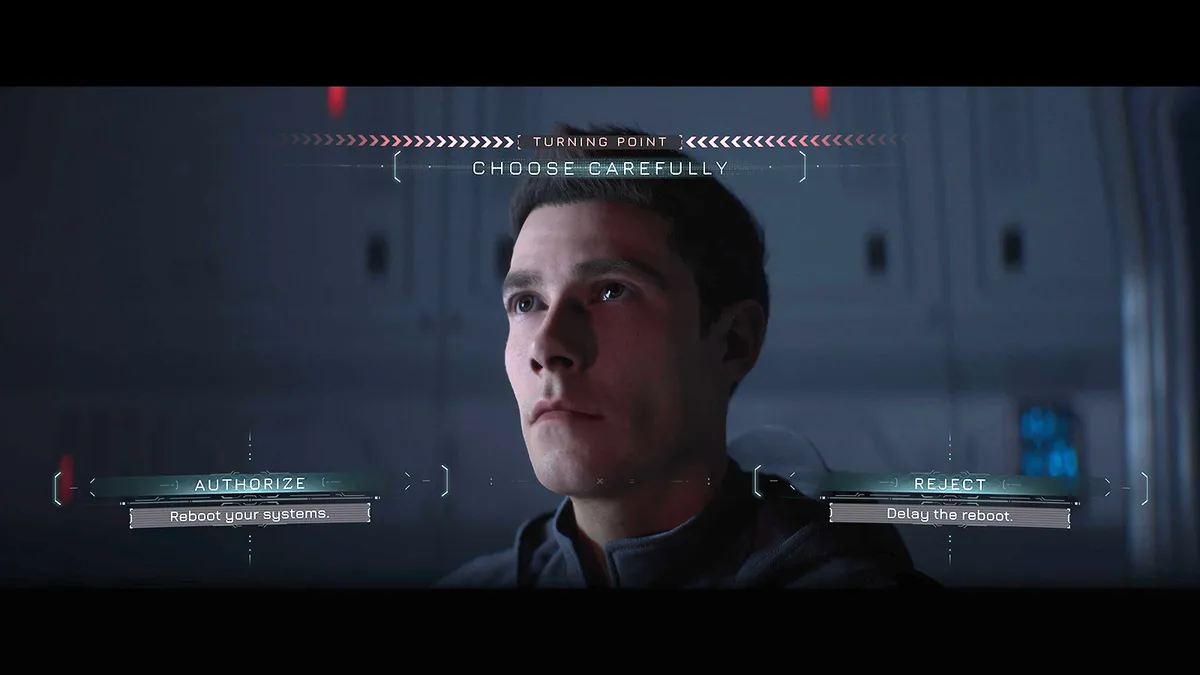
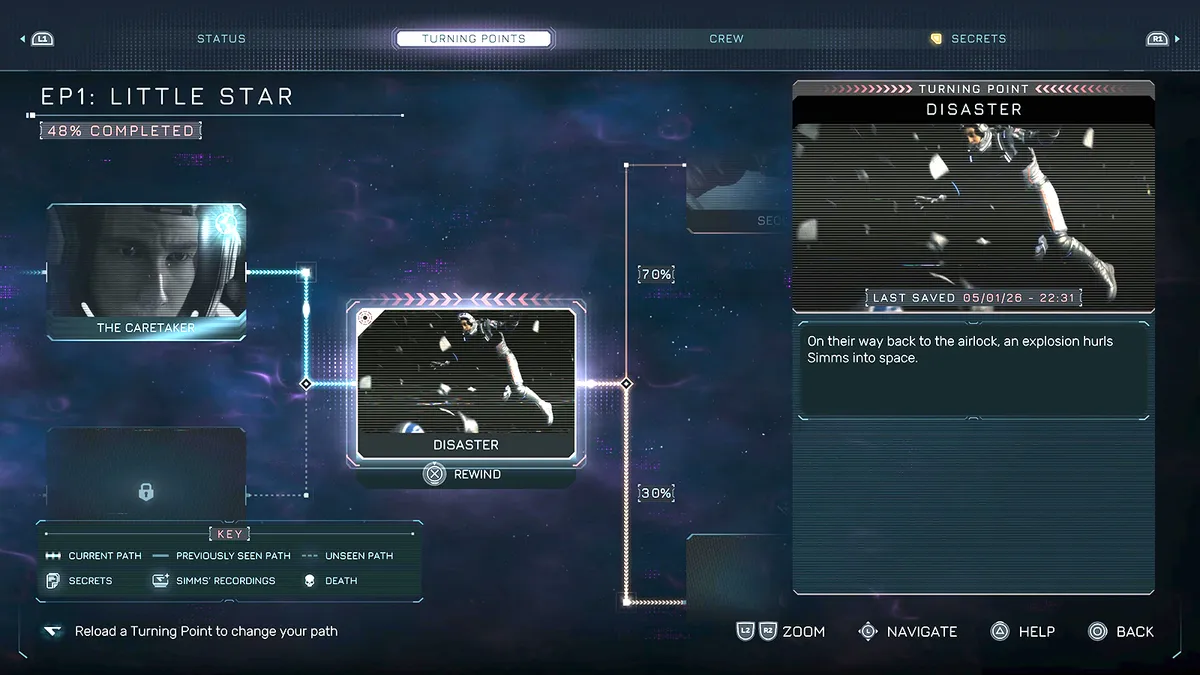
More contentious still is the game's new Turning Point mechanic, where you're free to rewind back to any branching path in the story. I can understand the reasoning, as it conveniently lets you undo a fatal mistake or see what could have been without having to replay from the start multiple times. But when choices with consequences – fatal ones, no less – have been such a defining part of Supermassive's brand of interactive horror, just being able to try again undercuts those stakes.
That you're meant to go through repeat playthroughs until you get what is supposedly the perfect outcome is surely the intent (whether games' narrative where everything works out 'perfectly' is actually a good thing is another topic). Without spoiling what the crew discover as they eventually reach Tau Ceti f, Directive 8020 does take a left turn that, while arguably meta, also will no doubt leave players divided, as you wonder whether any of your choices matter.


out of 10
The game delivers believable virtual actors and a sci-fi horror that's at once familiar and fresh, but Directive 8020's focus on lacklustre survival-horror gameplay over a meaningful, choice-driven narrative dilutes what originally made the studio's brand of cinematic horror stand out.