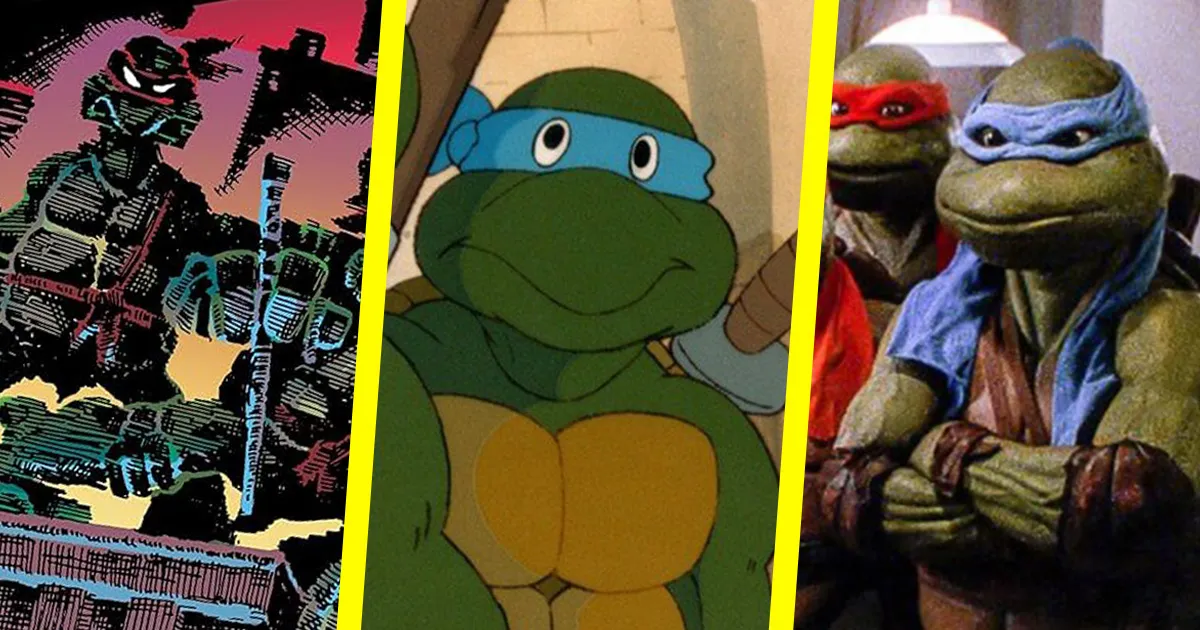
Over four decades since their creation, the Teenage Mutant Ninja Turtles stand as an incredible indie success story. Just over three years after they appeared in a self-published comic in 1984, the characters became a global sensation via an animated series. That was followed by the first live-action movie another three years later, by which point toys and other merchandise were must haves.
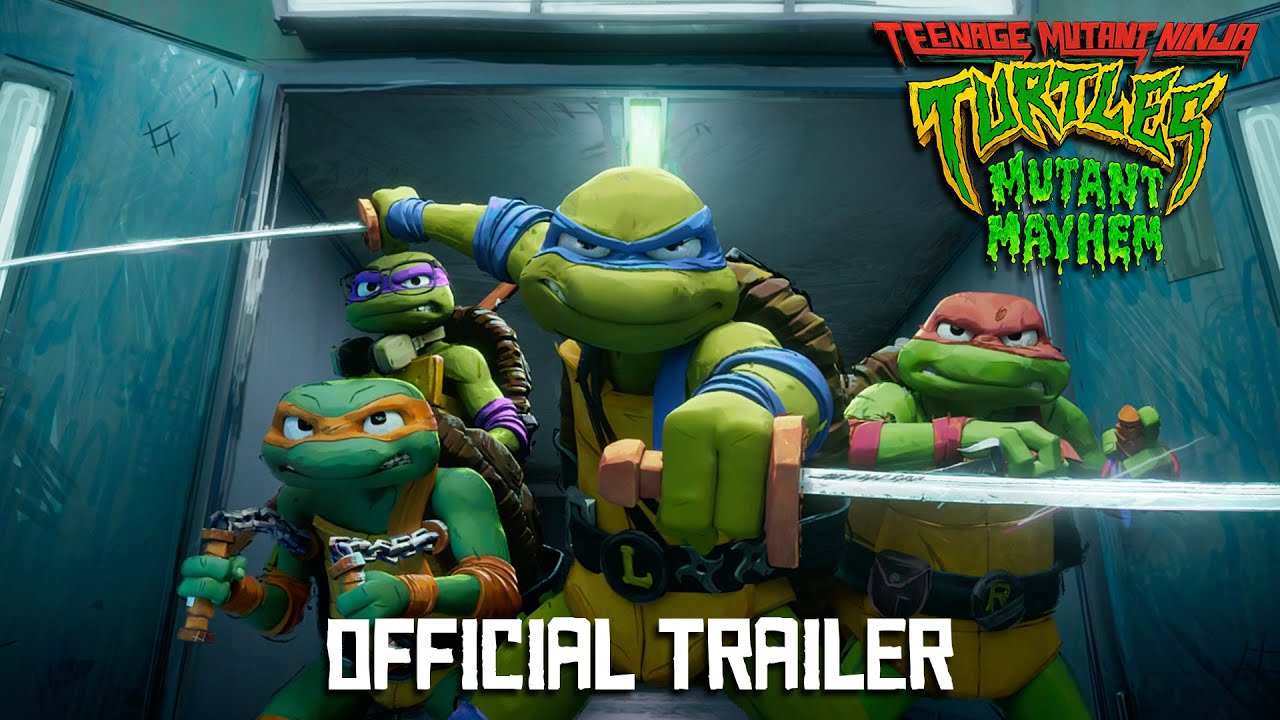
Fast forward, and the TMNT are still going strong. The acclaimed comic book miniseries The Last Ronin sparked new interest, and the animated movie Mutant Mayhem 2 is set for release on August 13, 2027.
Next month, fans will have the change to meet the heroic reptiles' co-creator Kevin Eastman alongside the original voice cast from the animated series at MCM Comic Con over 22 to 24 May. As he prepares for the trip, I caught up with Kevin to discuss the Turtles' legacy.
If you feel inspired, see our recent tutorial on how to draw comic panels and our guide to the best drawing tablets.
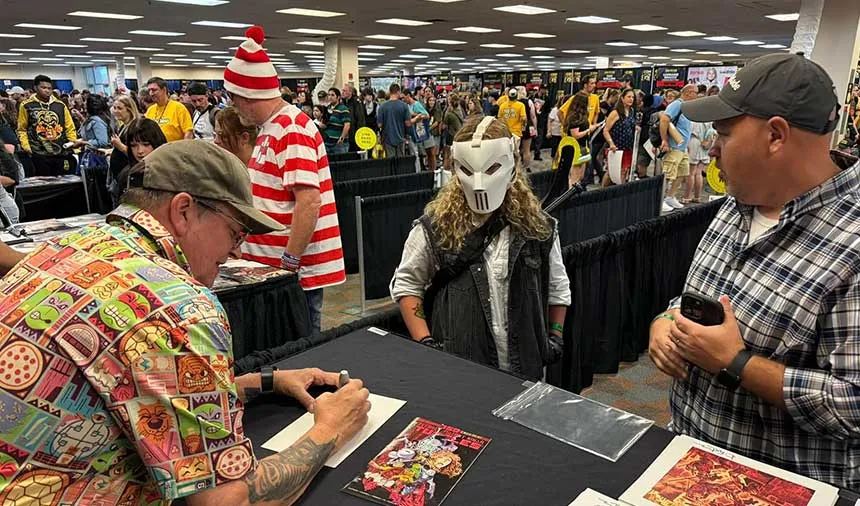
Kevin says that when he meets fans at events like MCM Comic Con, he likes to ask them who their favourite Turtle is – “you can tell a lot about someone's personality,” he says.
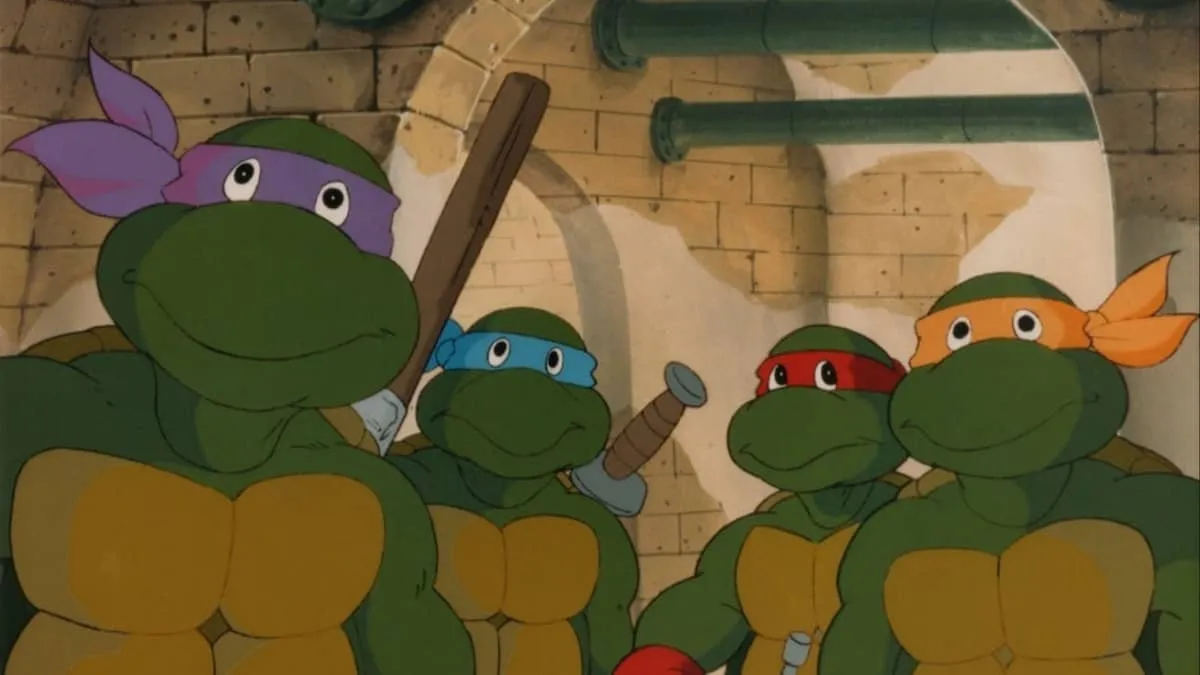
That's part of what's made the Teenage Mutant Ninja Turtles such an enduring success. The tone of the franchise has varied: the family-friendly animated series feels a world away from the edgy black-and-white comics that Kevin and Peter Laird began with ("there's a lot less murder and vengeance kind of stuff”), but the core concept remains: the team.
“We were a classic example of artists stealing everything: Fantastic Four, Daredevil, animal characters... we took everything we loved and combined them into one idea.
“The original inspiration was based on a number of stereotypes that Peter and I enjoyed. With Fantastic Four, you had this family sort of aesthetic with different personalities. They might bicker and fight as a family would, but you had the techno one, the leader one, the bruiser; you had the one you would want on your side in a fight. So you have this wonderful team, and they were always strongest when they were together.
“Couple that with the aspect of, say, Spider-Man: a teenager in high school who has these mutant powers. The Turtles could be any race, creed or colour. Anybody could be a Teenage Mutant Ninja Turtle and imagine themselves as their favourite Turtle personality.”
Another key to the Turtles' legacy is that Kevin and Peter kept creative control. They self-published the comics, and they were personally involved in the first three movies and the first 300 cartoon episodes. That was intentional after learning from the artists who came before them.
“Pete and I were specifically influenced by Jack [Kirby] and his work at Marvel. He was doing work for hire, so he didn't get to participate in creative input or profit participation. We self-published Turtles with the full knowledge of what had happened to those giants that we stood on the shoulders of”.
It helped that Kevin and Peter developed the Turtles' world so much, made it hard for different interpretations to cross a line that they would have seen as too much.
“By the time we started the original cartoon series and the toy line, we already had the first 15 issues, which laid out the background history and supporting characters like April O'Neil and Jones and the Shredder, so there was a really solid foundation.
“When we worked on the early movies, we kept that focus on the family aspect, and there was enough history that Hollywood couldn't really come in and say, 'how about we put them in superhero suits?' There was enough of a foundation that if it strayed too far, the fans would really let you know.”
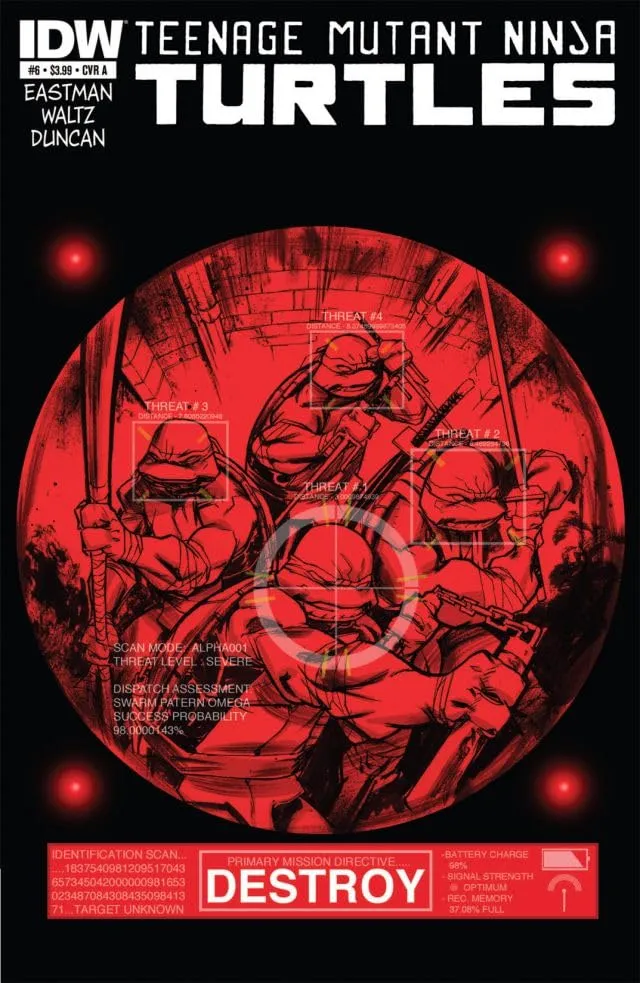
The original Turtles comics came out of the black-and-white comic boom
Image credit: IDW
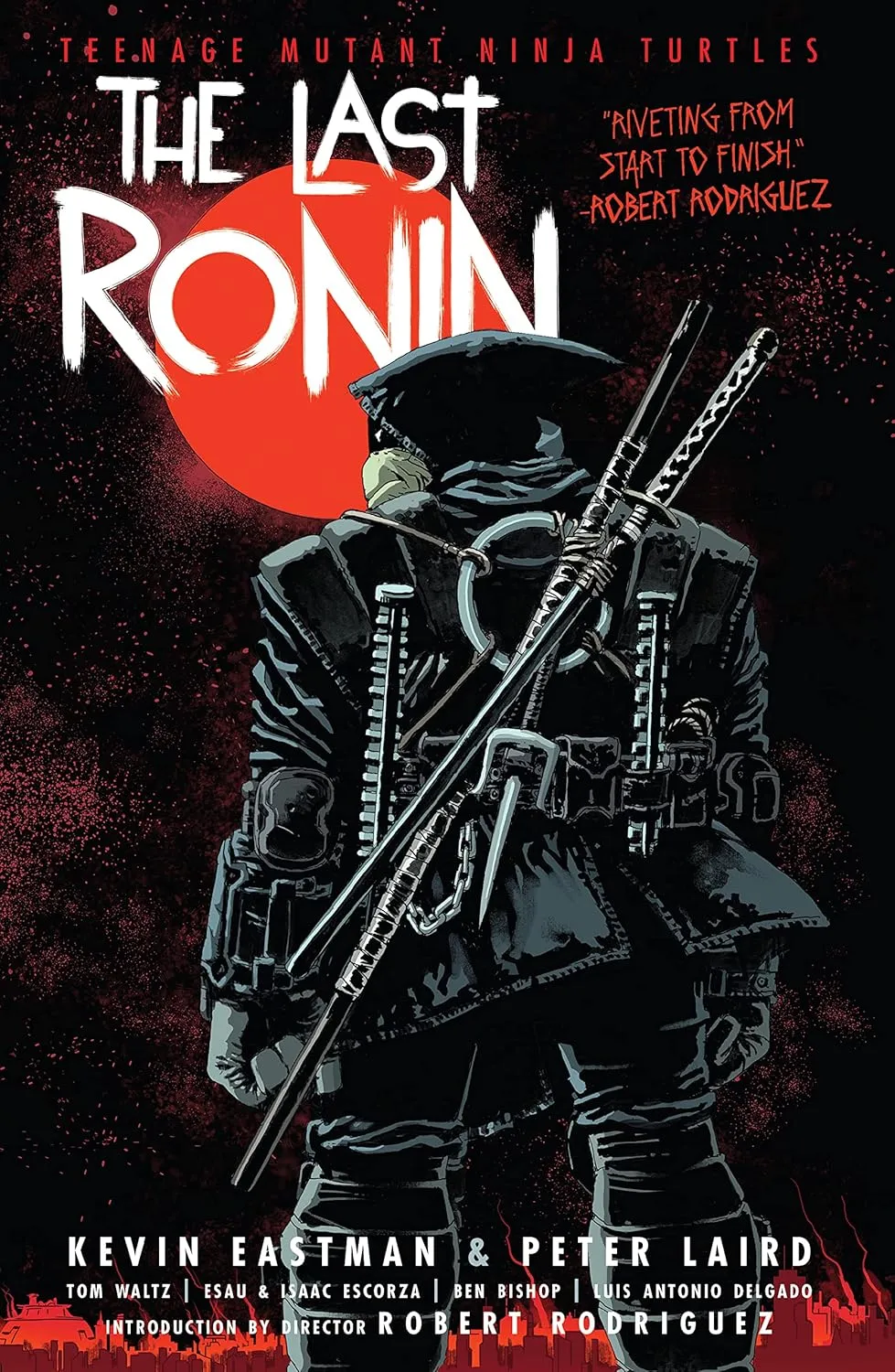
The Last Ronin written by Kevin and Tom Waltz is set in its own universe
Image credit: IDW
Kevin's early drawings show the influence of underground comic artists like Richard Corben, Vaughn Bodē and Robert Crumb with lots of detail.
“I often overworked my work to make up for my shortcomings of not really fully learning how to draw, say at art school,” Kevin says. “I ruined many Jack Kirby covers from the 60s and 70s by tracing them. But some of those original influences helped shape the way I draw.”
But the art style for Turtles was very much collaborative. Kevin and Peter would both write and draw, which is what shaped the evolution of the style. That approach continued on Kevin's projects like The Melting Pot and Fistful of Blood with Simon Bisley – “I'd do the storyboard and then Simon would come back with this insane version adapting what I gave him.”
This collaborative aspect is one of the things that Kevin thinks makes comics so interesting as a medium.
“Watching one of my heroes, Frank Miller, work with Bill Sienkiewicz on Elektra, David Mazzucchelli on Daredevil, with Dave Gibbons on Martha Washington. I was excited by seeing what happened when he teamed up with another creative person that brought their own incredible talent and vision to a concept. It becomes more organic.”
The comics industry has changed massively since Turtles Issue 1, which was placed in comic stores via small number of sub distributors on a non-returnable basis. At that time, trade magazines like the Comic Buyer's Guide were the place to get word out, but it then depended on word of mouth.
Even the first issue did better than Peter and Kevin had hoped for, with its run of 3,000 copies allowing them to return the $1,200 loan they took from Kevin's uncle and also to pay rent for a couple of months. Would they have had such an instant success today?
“I think the Turtles would not at all have had the success it had then. The landscape has changed too much. It would be a completely different set of challenges.
“We were coming off a time in 1984 where you had the mainstream comics like Marvel and DC, the emergence of new publishers like Pacific Comics and Capital Comics, and this whole other foundation that started in the late 60s of underground comics – stuff you found mostly in head shops and intended for adults. It was a perfect storm of opportunity that gave us that foot in the door to find an audience.”
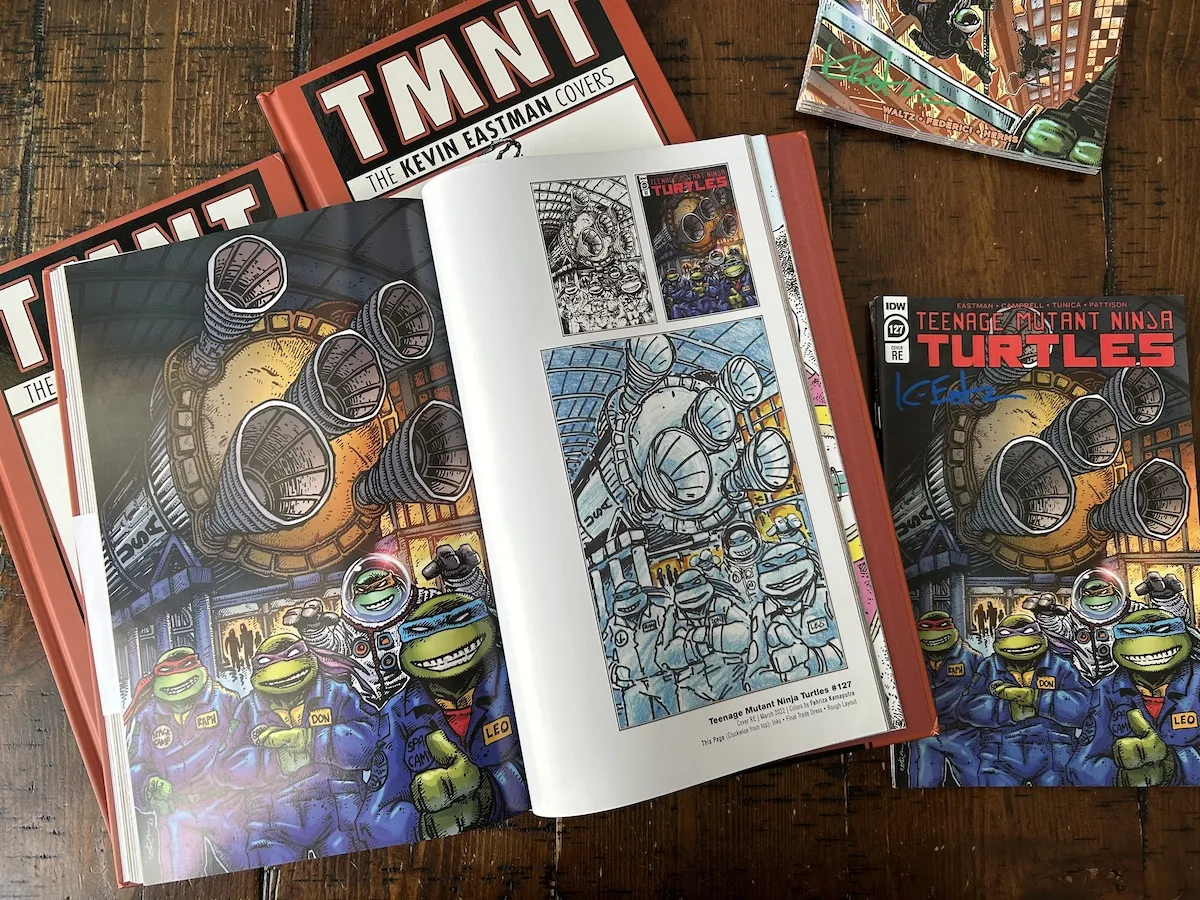
Today, there are more platforms, and Kevin welcomes the likes of Kickstarter and Indiegogo to allow self publishing both digitally and physically. But there's also more competition from other mediums.
That said, Kevin's very hopeful about the industry in general. The Last Ronin tapped into a shift towards prestige comics with mature legacy stories, and it drew a new audience not only to the Turtles but other comics too.
“There's a number of challenges today, but there are advantages too. You can reach a global audience on social media to build your character and idea before you go to press and actually print something,” Kevin recommends.
As for advice to aspiring comic artists, Kevin says you have to have faith in your dream.
“Just like if you're aspiring to be a musician or an athlete, you have to work at it every day and be passionate about it. Don't let your peers talk you out of your dream, and don't talk yourself out of a good idea”.
MCM Comic Con will take place at the ExCel in London 22 to 24 May. You can learn more and reserve tickets on the website.
Creative Bloq is now easier to access than ever before with our on-the-go app, which brings you all the content you know and love from our website, but in a super-streamlined design.