








What unites the brands that kids love the most? Autonomy, discovery, sharing and collecting are recurrent themes, according to Beano Brain's 2026 Coolest Brands report.
Brands that resonate with Gen Alpha are often seen to be building affinity with the next generation of consumers. It's true that many connections formed with brands today will continue throughout adolescence and adulthood.
But the benefits of engaging Gen A audiences can often be seen sooner. Our Gen Alpha: Born to Shop research from earlier this year found that the UK’s 7-to 14-year-olds had £94 million worth of pocket money to spend on the high street.
A taste of freedom

Autonomy and self-discovery really matter to Gen Alpha, and we see this across some of the most popular brands that ranked in our research.
It’s no surprise when you consider that kids’ lives are still primarily spent following schedules and rules set by adults. Creating a space for them to explore their own interests gives them that freedom and ‘grown-up’ feeling.
YouTube – the number one coolest brand for the past three years – is a perfect example of this. The platform lets kids follow creators, explore new hobbies and move naturally between quick clips and long-form content. And importantly YouTube serves up content focussed on kids’ interests that simply isn’t available anywhere else – certainly not in traditional media.
The same is true of TikTok (#9), which also enters the top ten for the first time this year. But despite the apparent appeal of social media brands, even here kids are increasingly trying to gain control concerned with doomscrolling and other negative online experiences, 49% of 7-14-year-olds having actively taken time off social media; a third of those taking a break wanted more time for hobbies and interests.
YouTube and TikTok are popular with younger audiences because they offer a chance for kids to explore and provide them with a sense of an owned space. But the important contradiction for brands to understand is that kids don’t want to spend all their time there and that sense of freedom isn’t limited to a screen.
Hang-out spaces

Food, drink, and retail brands consistently score highly in our reports because they lead on innovation for example offering a range of limited-edition flavours and experiences for kids to explore. They’re also inherently shareable and must be experienced offline, - attributes of shareability and real-life experiences are loved by kids.
This is backed up by kids’ preferred shopping habits. In Gen Alpha: Born to Shop, more than two thirds (68%) of kids preferred real shops to shopping online, while 90% preferred shopping with someone.
Retail, and particularly QSRs, offer kids affordable spaces for kids and tweens to spend time with family or friends. This is one reason McDonald's has risen to number two, and why food and drink brands in general account for 29% of our Top 100; they offer the chance for shared real-life experiences kids crave.
Marvellous merch
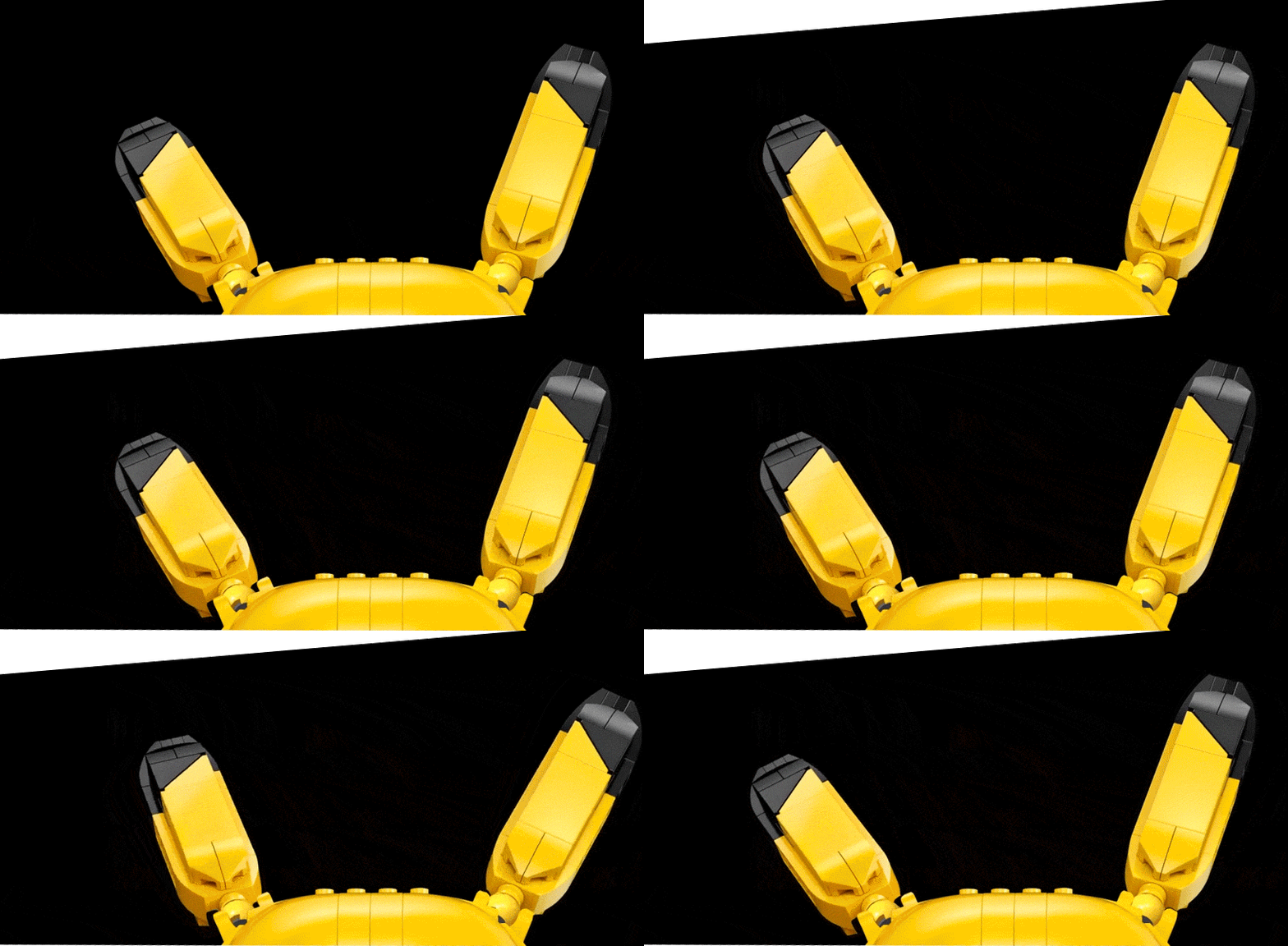
The return of toys and physical play also came through strongly.
Analogue toys and collectables tap into kids' love of building, trading, and sharing physical items. LEGO (#6), another top ten brand, not only appeals to kids' creativity, but also, through partnerships, allows kids to collect different sets and get imaginative in a hands-on way.
Pokémon (#34) is another brand that’s ‘cool’ this year. Its cards and merchandise give it a collectible and shareable real-world presence to reinforce the online games and TV shows, properties that may have been the introduction to Pokémon for kids.
It is these shareable and collectable traits that play into the popularity of food and retail brands. For McDonalds, Happy Meal collaborations give children another reason to anticipate a visit, bringing familiar characters and collectable formats into the experience.
YouTube, LEGO, Pokémon, and McDonald's all share some of the same attributes of discovery, autonomy, shareability, and collectability. In this context, what may seem like ‘surprise’ inclusions in the list – the discount stores Home Bargains (#88) and B&M (#83) – make sense. ‘Coolness’ is not a trend; it’s embedded in your brand's personality and the brand experience.
The lesson is not that every brand needs a viral moment or partnership to be ‘cool’. It is that lasting relevance starts with listening to what children want to do and how they want to feel, rather than where to reach them.
Gen Alpha’s choices may still surprise us. But the motivations behind them should not.

