




A week on from my Adobe MAX 2026 experience, I'm left more conflicted than ever about the democratisation of design. While post-MAX clarity has calmed the excitement of Sneaks and new Adobe software announcements, an uncertain existentialism still lingers. Finally, everyone has the freedom to create, but in the same breath, oh dear... everyone has the freedom to create.
Add Adobe's balls to the wall AI adoption and it feels like we're snowballing into a mass slopathon. Throughout MAX, I am constantly assured AI is only there for those who want it, but I'm also hyperaware that its siren song is far too tempting for certain creatives. It all boils down to one question. In the age of democratised creativity, what defines real design?
Adobe, what is it good for?
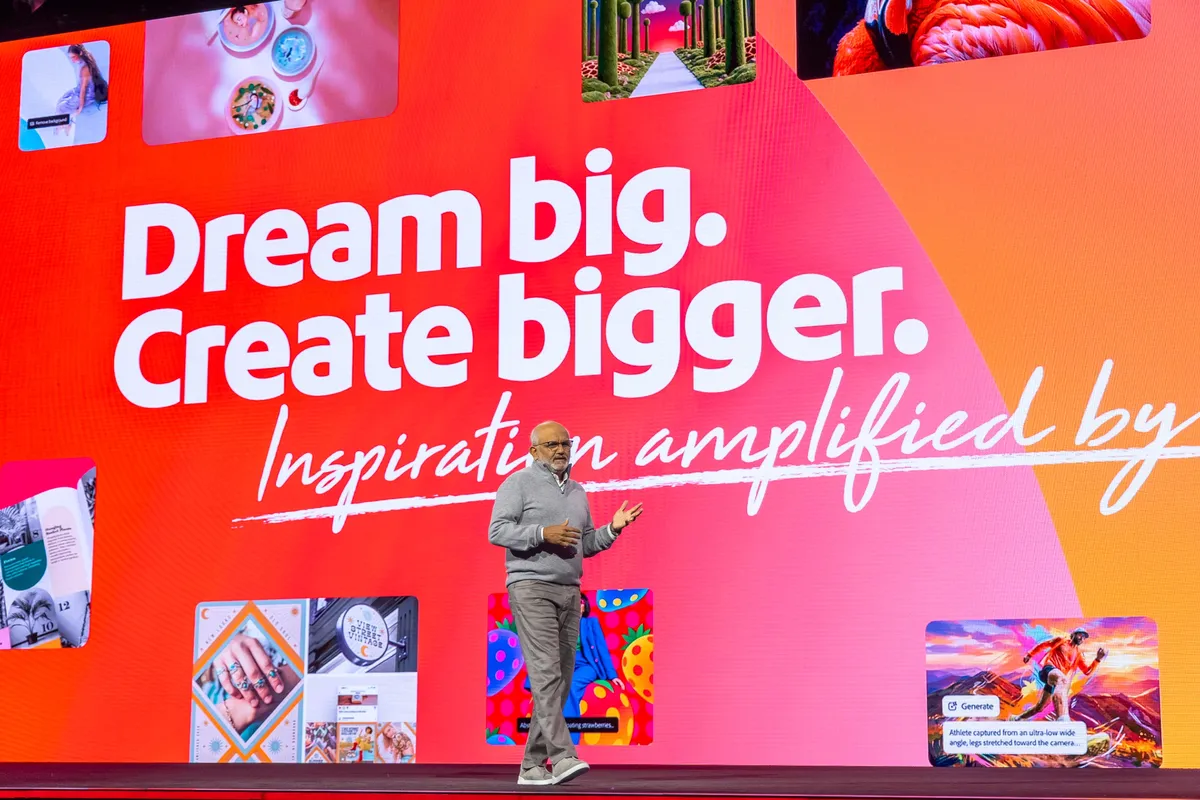
MAX made one thing abundantly clear – Adobe is for everyone. Whether you're a novice creative looking to jazz up a poster, a seasoned influencer wanting clickworthy content or an industry vet trying to adapt to the ever-demanding creative industry, Adobe is, by its own positioning, your best friend.
This is where cracks already begin to form. Classically trained graphic designers, web developers and old-school content creators who learned through education or self-taught graft are left feeling cheated while new-gen creatives have it all at their fingertips. It's not childish to feel that things are a little unfair. There is value to the blood, sweat and tears of art created over time – something AI appears to extinguish.
And while on the surface, creativity for everyone feels like a utopian dream, the addition of AI makes me worried. Of course, jobs are sacrificed under the guise of saving time and budget, and when everyone can create, where do we find value in creativity?
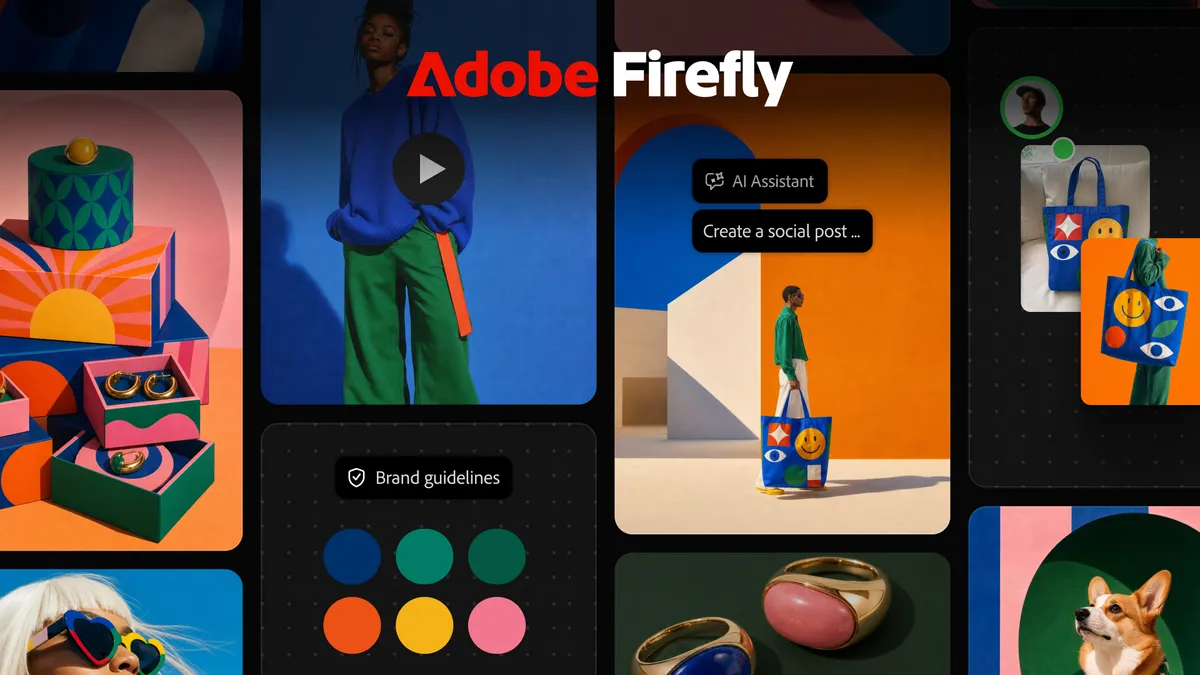
Who decides what creativity is?
Can a concept half-baked by a computer hold the same emotional nuance as human-made work? I fall in the camp of no. But art has always been subjective – who's to say an AI-generated design has less value when, at its core, it was sparked by a human idea? A better question is, where do we draw the line?
It's easy to make Adobe the fall guy for the rise in AI slop, but it's just as much a matter of how we use its tools. At Sneaks, I witnessed a number of genuinely innovative tools, like Project Deep Brush – an AI-powered lighting-aware tool for Photoshop – that proved there's a distinct difference between full-send gen AI and the odd tool to make your everyday workflow a little smoother. Adobe developers aren't sitting in front of an evil AI cauldron preying on the downfall of human design as we know it. Behind the scenes, there are glimmers of hope.
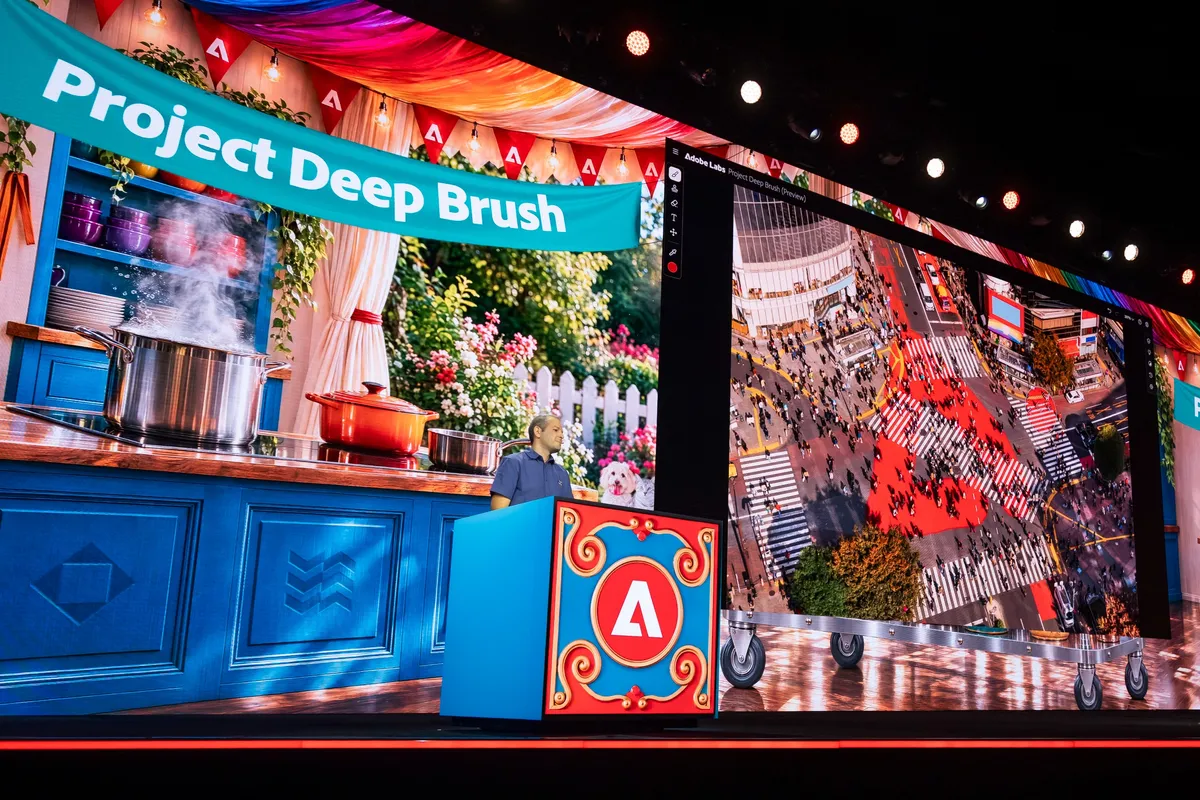
If used in a measured way, I believe AI tools can be an extension of creativity, but with no constraint other than the moral, and Adobe churning out corner-cutting AI tools with reckless abandon, it's no surprise there's slop everywhere. New creatives are hungry to push the confines of what creativity can be – AI is proposed to them as a wacky friend that can do it all. The role of 'creative' is in a state of flux, and with a new generation redefining what creativity means, artistic value has never been more abstract.
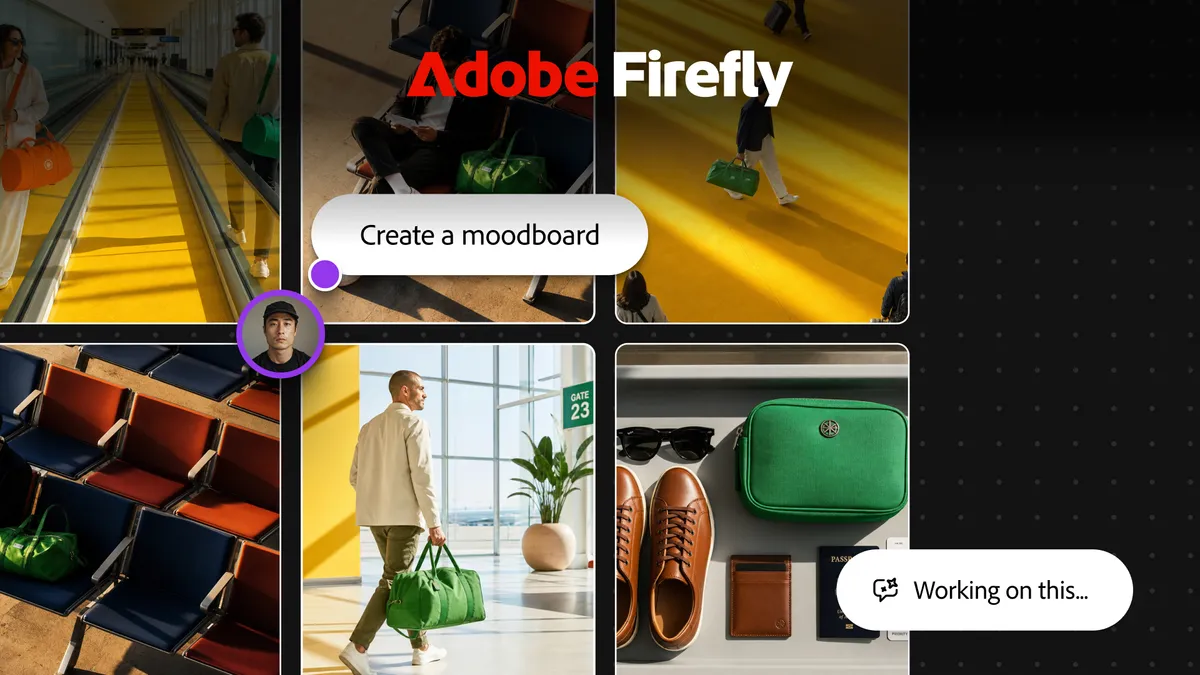
Evolving... for what?
A repeated argument for Adobe's influx of AI innovations was the creative industry's increasing demand for content. A graphic designer may now be expected to be a master of motion design, web development and social media with fewer resources and even less time. These tools are merely a part of evolution – embrace them or get left behind.
But from the sidelines, I watch in horror as the creative industry eats itself over and over again. More content requires faster output. Faster output is aided by time-saving AI tools. Saved time means more space to create more content to feed the hungry attention economy. We're creating more, but as a result, we're losing a sense of quality and control. And when creativity is democratised, I worry valuable work gets lost in the shuffle.
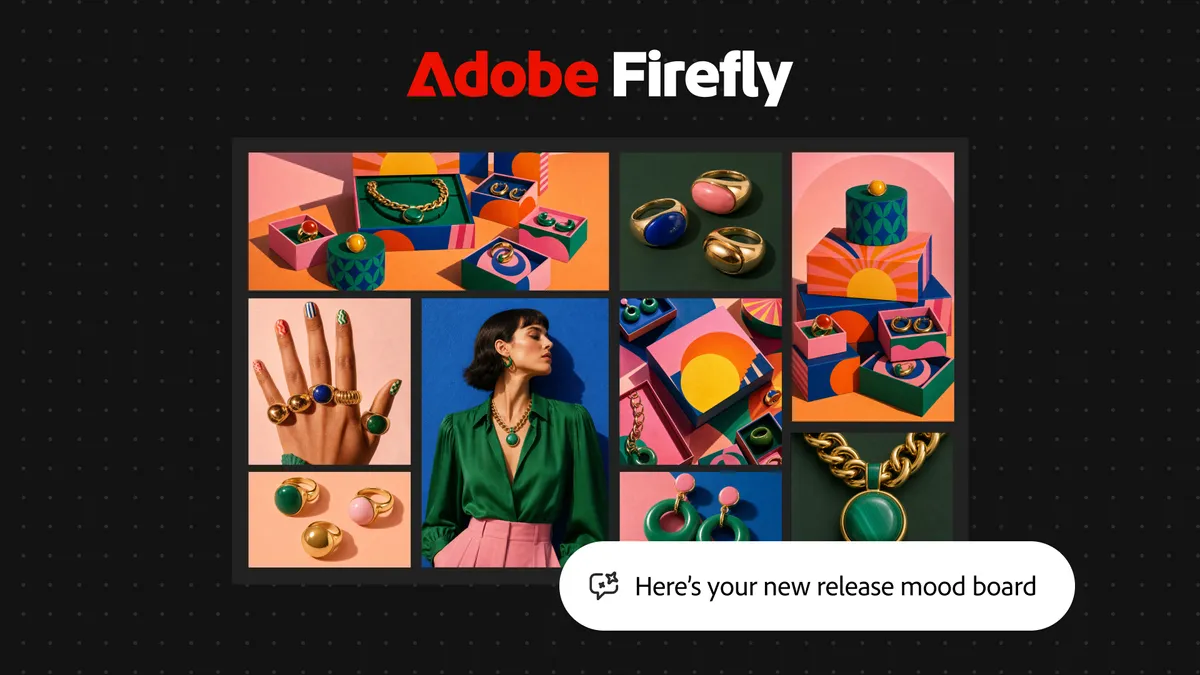
Creativity for everyone, at what cost?
I worry I'm a snob – that my jaded opinions are stuck in a creative world that no longer exists – but despite my discomfort, I remain hopeful. Creative democracy has its value. Accessibility is better than ever (given you can afford an Adobe subscription), and voices that may not have had the confidence to create are now empowered to do so thanks to Adobe's tools.
But what of the classic designer, like my father, who has spent decades curating their craft, only to have AI do it in seconds? It's an uncomfortable reality, but change is inevitable. To the jaded, fearful or downright nihilistic creative, I implore you to continue creating on your own terms, whether that means dipping a toe into AI tools or outright denunciation of the technology. Amidst the formulaic sea of AI, it's the quality, human-made content that will be celebrated.