
How can designers thrive in an increasingly demanding creative landscape? From curiosity to resilience, mastering online collaboration tools to leveraging AI – and even reacquainting yourself with pencils and paper – there are plenty of ways to get upskill, adapt, grow and attract new opportunities.
Whether you’re just starting out or looking to shake things up, we asked senior creatives, educators and industry leaders to weigh in on the skills that are really going to help grow your career.
For more inspiration on boosting your skillset, check out our pick of creative courses to help you upskill in 2025 and our latest how-to guides, from oil painting to starting an online business.
01. Stay curious

“While it’s always important to stay up-to-date on the latest tools, one of the most important traits for any designer – no matter the year or level of experience – is curiosity,” says David Airey, logo designer and author of books including Logo Design Love and Identity Designed. “The design world continually evolves, and while technical skills matter, curiosity helps designers adapt and bring new ideas to client projects. Staying curious makes it easier to learn, experiment, and discover different ways to create meaningful work that truly connects with the audience.”
For Kathryn Samson, senior designer, consultant and lecturer in graphic design at London College of Contemporary Arts, her concern is that although design students and emerging designers are digital natives, there's been a downturn in experimenting with software. “I have wondered if this is related to being so used to using their phones for everything; there is a lack of curiosity,” she says.
Take some time out to help yourself get unstuck, advises Marina Willer, graphic designer, filmmaker and Pentagram partner. “It’s easy to fall into repetitive patterns as a designer, especially when you’re under pressure. For me, it’s important to find unusual ways of working that are relevant to each project and not just be seduced by what’s trendy,” she says.
“Step away from the screen and engage with new environments – whether that’s looking at mundane things, taking a walk, learning as many skills as possible, photography, drawing or writing. It needs to be what ticks for each one of us, like travelling, visiting a gallery, or spending time in nature – that will help spark fresh ideas. This shift in perspective offers the depth and originality that searching for inspiration online often lacks.”

For Connor Edwards, senior designer at Jack Renwick Studio, it’s especially important now more than ever to stay curious and find inspiration in new interesting places, particularly given the rise of AI and homogenisation in visual culture. “To be able to reject the path of least resistance, to sidestep trends, to break out of the algorithm and create big ideas that are not only unique, but will be infinitely more relevant and ownable,” he says. “Once you have this, it will become clear what method is needed to bring it to life, be it handmade, digital or AI-generated. Then, you just need to become an expert in whatever that skill is.”
02. Know how to leverage AI

“Designers need to go beyond basic AI use and understand how to integrate it thoughtfully into their workflow to enhance creativity,” says Jessica Walsh, founder and creative director of studio &Walsh. “The key is striking a balance between leveraging AI’s capabilities and maintaining a human, original perspective. I love seeing when our team uses AI in a smart way but they don't rely on it for the end results. Creating unique mood boards, research, repetitive task automation are all skills we look for.”
Graham Sturt, creative director and head of creative at Monotype says 2025 will be a pivotal year where adaptability and mastery of emerging tools will define success in graphic design. “First and foremost, proficiency in AI-powered design tools is no longer optional,” he says. “Designers who can seamlessly integrate AI into their workflows to unlock creative possibilities and solve complex design challenges will have a distinct edge. It’s not about replacing creativity but enhancing it – understanding how to collaborate with technology to push boundaries.”
Drew de Soto, founder and creative director of design agency Navig8 and author of the Know Your Onions range of design books, agrees that while the tools available to designers have never been more powerful, knowing when and how to utilise them is key. “Understanding the principles that underpin quality design and having the ability to apply them is vital for our continued relevance,” he says. “Embrace AI but remember: put rubbish in and get rubbish out. Understanding the brief, market and objectives of the content that you’re creating is essential when using these tools. Take time to really study the output from the AI engine and assess its quality closely. Be careful not to fall into the ‘convenience trap’.”
03. Craft with material things
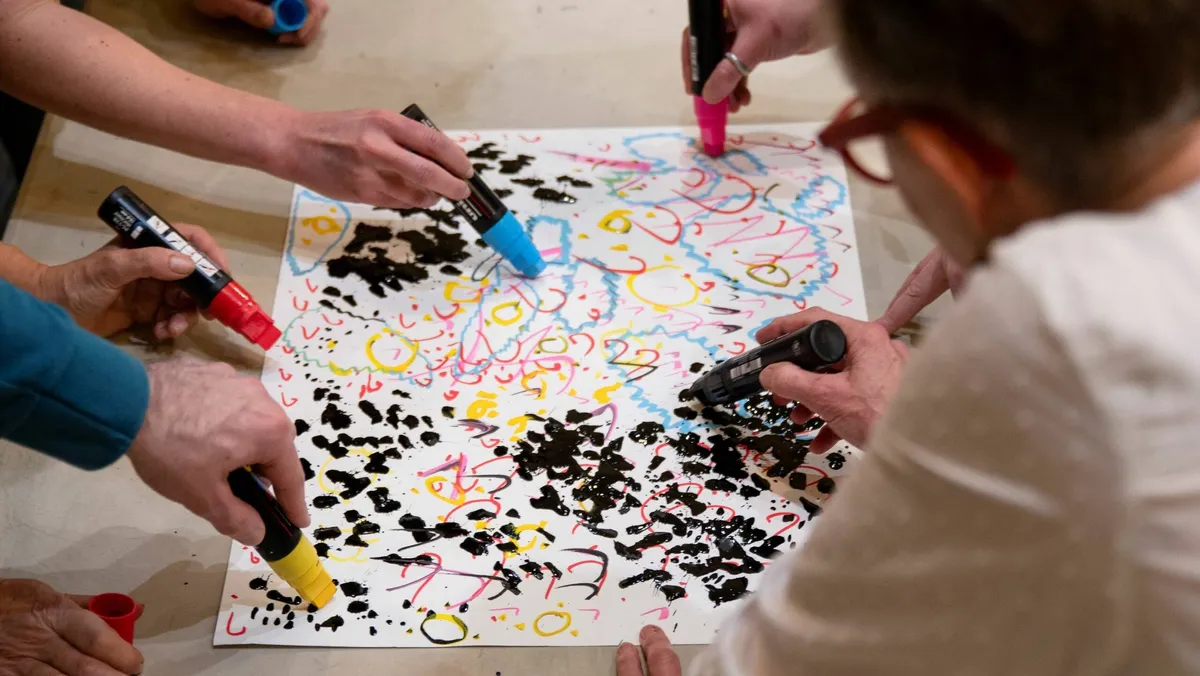
As technology increasingly impacts creativity, designers should look to traditional skills and handcrafted approaches to design to compliment their skillset. “I look for design talent with craft and a deep understanding of the physical world,” says Jessica. “With the digital world becoming oversaturated, there’s a growing hunger for tactile, real-world experiences. Designers who can experiment or who have training with physical mediums, materials, and hands-on processes offer a refreshing counterpoint to the noise on screens.”
Susanna Foppoli, creative director, designer and lecturer in graphic design at Shillington, agrees in the strength of experimentation and exploration by hand. “There is immense value in old-school processes such as sketching ideas by hand, creating physical mood-boards, or storyboarding concepts,” she says. “These tactile and intuitive methods engage the brain in ways that digital tools (and perhaps artificial intelligence?) cannot, fostering a more personal and unique approach to design thinking.”
“I see in many of my students a resistance to using paper and pencil,” says Kathryn, “where you can create a hundred thumbnail possibilities in a matter of minutes, preferring to go straight to the laptop or iPad. The danger in this approach – that I have seen a million times – is a five-minute delve into experimentation that results in a ‘that looks okay, let’s go with that’ answer to the brief, which then prevents any further development, and often a much less creative solution.”
04. Play with motion
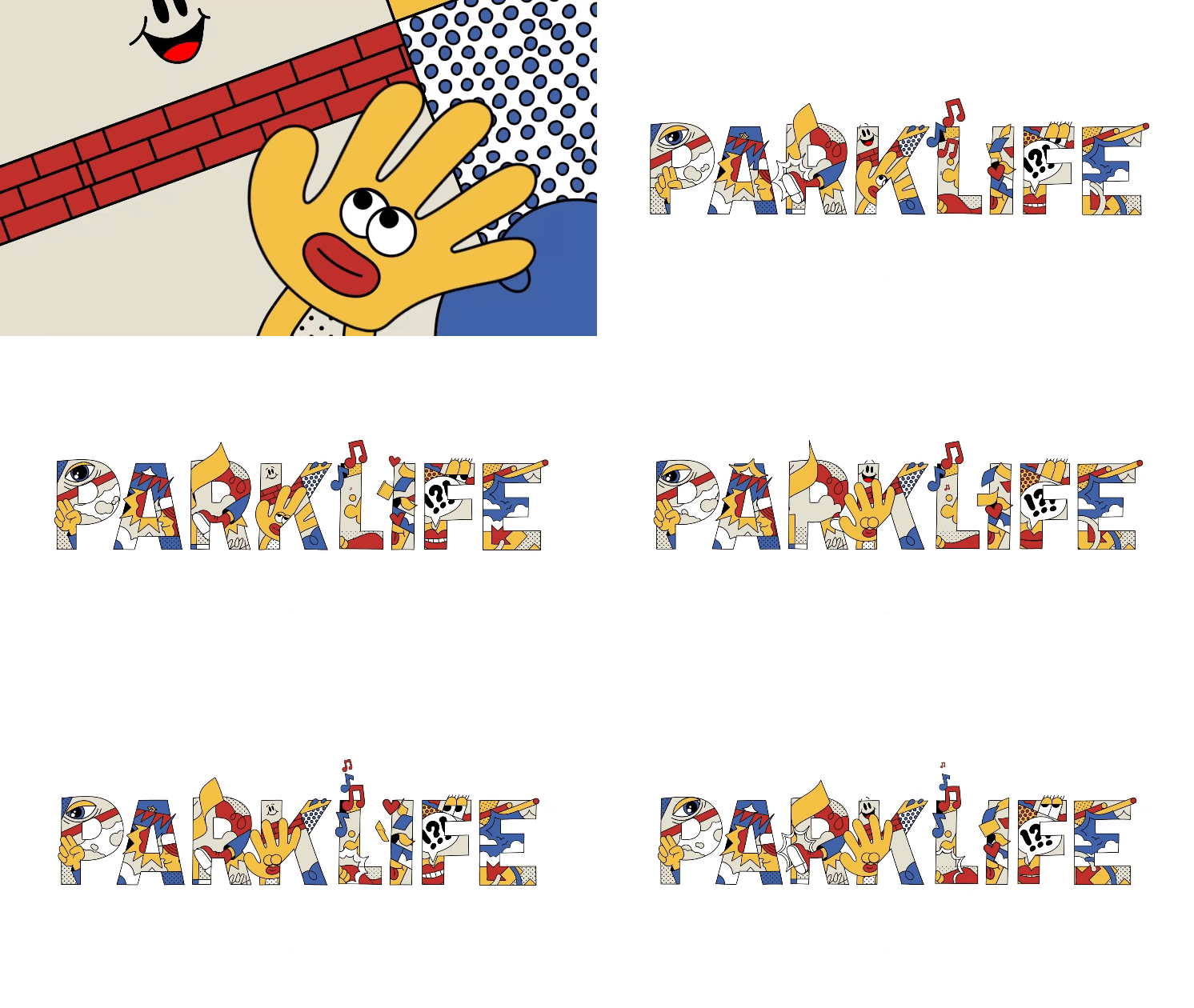
“A brand can not just exist in static form in today’s world,” says Jessica. “There are entire brand agencies being formed by motion-first teams and principles. Designers who can combine storytelling with motion will stand out in a crowded landscape.”
Terrance Weinzierl, creative type director at Monotype agrees skills in motion are becoming increasingly important. “Motion quickly comes to mind when I think of future design skills. Animation and short-form video skills are desirable, and I believe the demand for these formats will continue to increase in the years to come. First, be able to imagine how your static works will move and change. If you aren’t an expert and need to collaborate with a motion specialist, being able to direct and share ideas in clear storyboards is key.”

For Wale Osunla, designer at Studio Moross, playing with motion doesn’t necessarily mean in literal terms by using motion graphics, it can mean thinking in a more dynamic way. “We have been moving in a direction where motion and design feel more connected than ever. It's thrilling,” he says.
“However, while animators and illustrators are incorporating design principles within their work, designers seem reluctant or averse to these shifts in perspective – stop that! Just let your thoughts, actions, and work resemble the cartoon characters you've seen on TV as a kid (or even now), squashing or exaggerating their sizes, and moving in strange ways. Trying to capture that dynamism without using motion can take your thoughts (and your work) to strange but wonderful places. Push it hard enough and you can make the most static of work feel like it's brimming with life.”
Disney's 12 principles of animation and the best animation software can help anyone who wants to to start experimenting.
05. Diversify your specialisms

Balancing a core specialism with a range of other skills and embracing the learning experience could help you stand out, says David Barnett, scenographer, designer and course leader for the BA in graphic design communication at Chelsea College of Arts. “Being a generalist in design is such a useful trait and following waves of enthusiasm to learn new things, of course means you are more likely to enjoy the process of continually learning,” he says. “In education we all hope to see these ‘T-shaped’ graduates develop, who have a deep specialism and some broader knowledge so they can be useful and adaptable in professional practice and have some understanding of the languages and processes of other design practices that give them more of an overview and make them better communicators.”
He suggests going down some fun research rabbit holes but remembering to aim for general self development rather than becoming the perfect Swiss Army knife. “So much of design is having a ‘can-do’ attitude and a willingness to try, experiment, fail and learn,” he says. “Having expert and generalist skills helps and encourages you to take a more transdisciplinary approach to graphic design – understanding how to creatively link all your knowledge and various skills … If you have time and aptitude to create a couple of deep specialisms you’ll become a unicorn – who are most sought after.”
06. Embrace co-creation
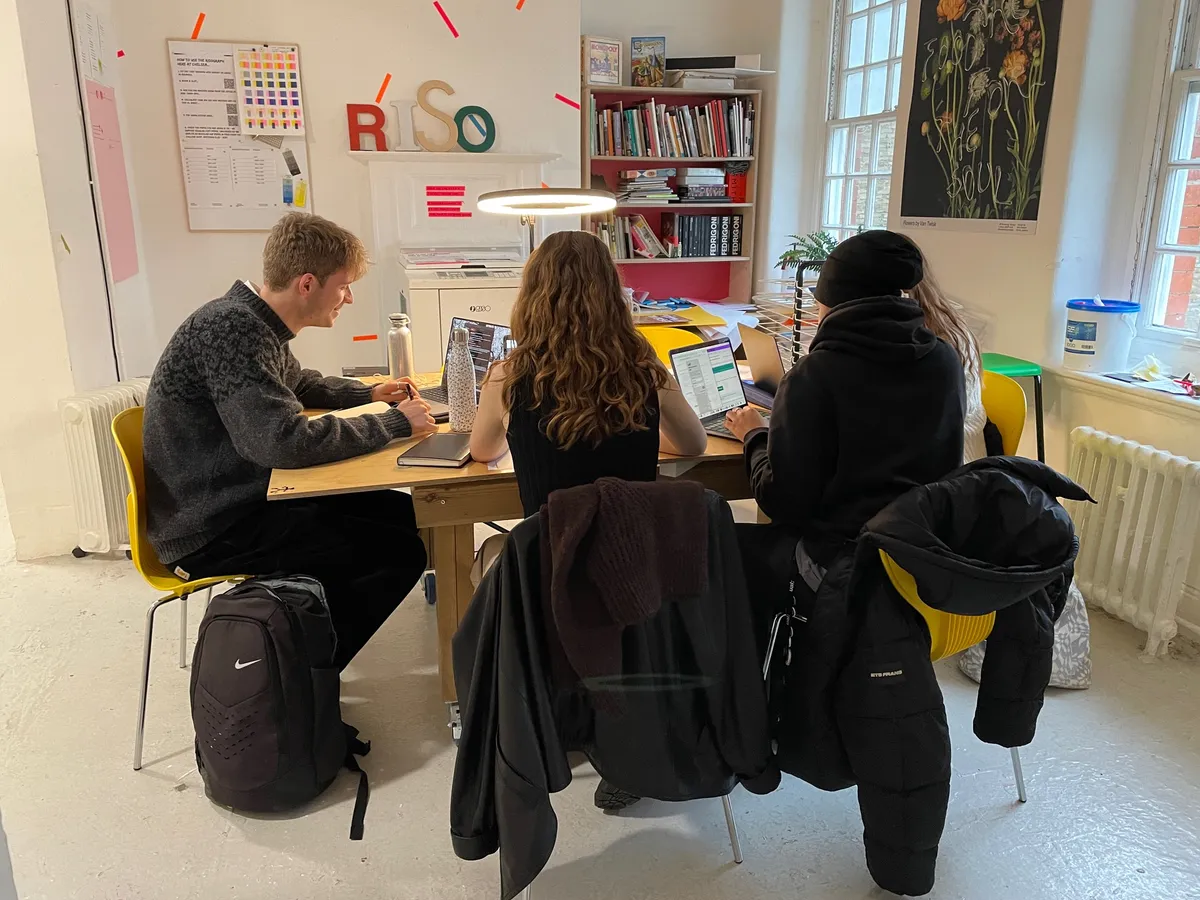
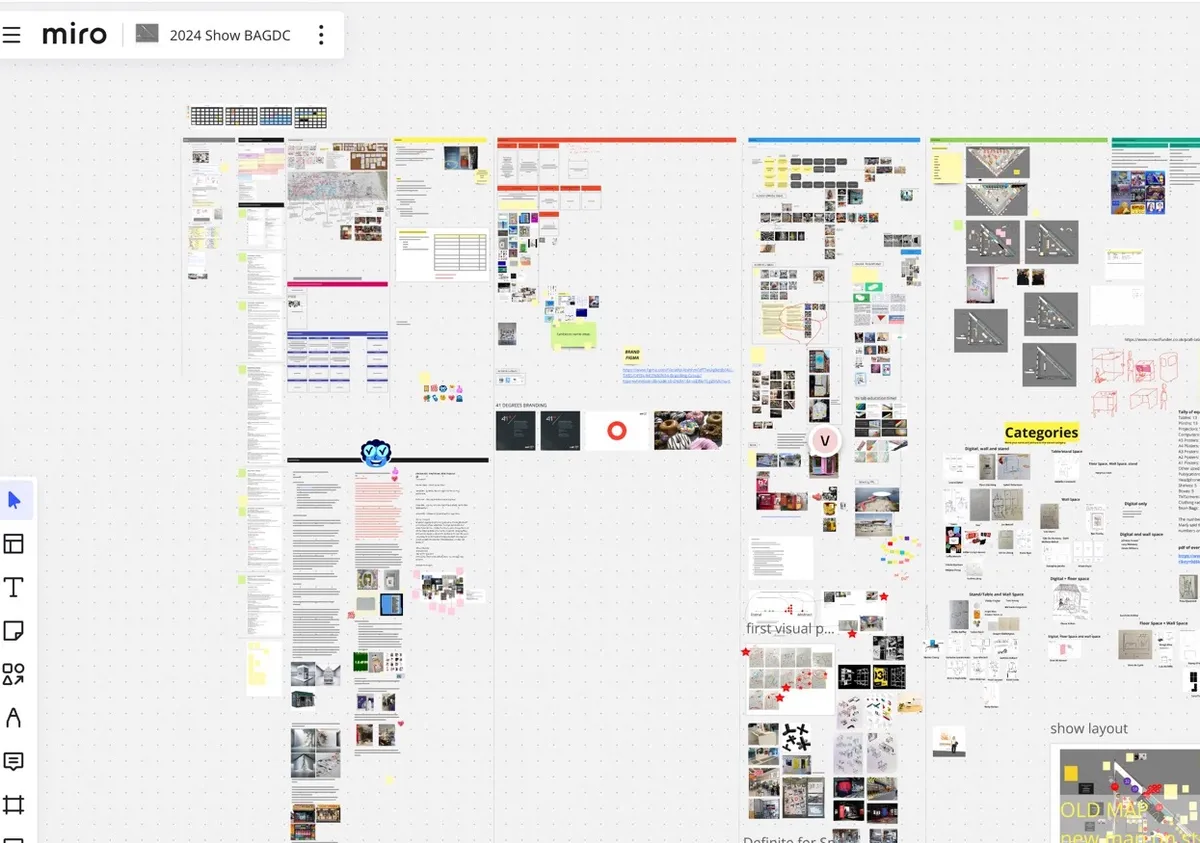
Proficiency in collaborative design tools such as Figma, Miro and Figjam is an increasingly desirable core skill – after Adobe – says David Barnett. With this comes a new wave of co-creation and sharing online in real-time, particularly since the pandemic. “Now, you can brainstorm, build workshops, create design strategies, work with stakeholders, gamify work tasks and herd cats, all while inviting anyone to participate or observe,” he says.
“Designers are natural organisers, so the use of collaborative platforms is becoming an essential tool for speedy working and transparent partnerships that feel engaging and shorten the design cycle,” he adds. He recommends studying the platforms’ various templates, reading Universal Methods of Design: 100 Ways to Research Complex Problems, Develop Innovative Ideas, and Design Effective Solutions by Bella Martin and Bruce Hanington, and checking out free resources about collaborative methods on learning platforms such as Ideo U.
“Developing skills in co-creation and facilitation isn’t just part of being a strategist anymore," David says, "it's becoming a core skill to learn and practice for graphic designers, branders, exhibition makers, activists – the list goes on.”
Part of successful collaboration comes from effective communication, which should prioritise the right combination of speed, accuracy, logic and emotion, says Terrance. “Hybrid work environments and numerous communication tools can make it more erratic. Your co-workers from different generations might have different preferences, and it’s advantageous to have different approaches rehearsed. A Boomer might value a quick voice call, while a Gen Z just needs a text. Being observational, empathetic and organised will keep your messages landing well and delighting your collaborators.”
07. Engage with a range of disciplines

“Nurture a broad interest in the humanities and the arts,” says Lindon Leader, founder of strategic design consultancy Leader Creative (and the creator of the legendary FedEx logo). “Many young design students, especially those fresh from high school, often do not appreciate that seemingly irrelevant fields like philosophy, music, literature and history will serve to hone a personal aesthetic that can handsomely inform their work down the line,” he says. “Absent this aesthetic, and wizardry in Photoshop, Illustrator, UX design, and other tools may make one a skilled technician, but not necessarily an artist. For example, the recollection of strata from geology class and the mental image of storm clouds in a Wagner symphony may together produce a remarkable landscape photograph that otherwise might have been most ordinary.”
After all, humans are multidimensional creatures. Susanna also believes that inspiration can often come from unexpected places, as the old adage goes. “Designers should actively seek inspiration from a broad range of disciplines. By drawing from fields such as architecture, art, fashion, photography, craft, psychology, technology and even science and beyond, designers can bring fresh, unexpected ideas to their work,” she says. “This cross-pollination helps designers approach challenges from unique angles, breaking free from conventional approaches and visual trends.”
08. Master critical thinking
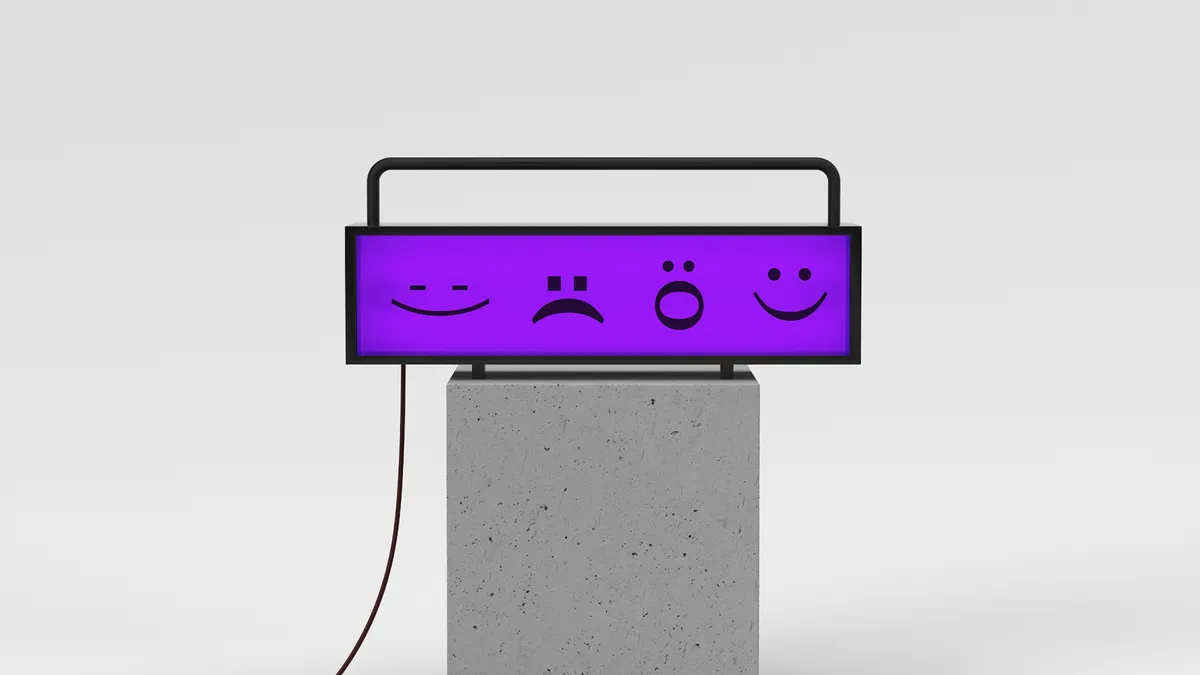
As an employer, Lindon says that he looks for people who have cultivated soft skills, such as problem-solving, communication and collaboration, as well as for well-rounded individuals who are perceptive and passionate. “To this end, I recommend aspiring graphic designers [focus on] critical thinking, which is essential to success in ever-competitive workplaces. Today, many graphic designers have both talent and solid command of software. What will distinguish the very best of them is the ability to convey cogent design-thinking fluently and coherently to employers, colleagues, and clients. If, when asked why you are recommending a particular design you reply, ‘I don’t know; I just really like it’, you may not rise very far in the commercial art world.”
Susanna agrees it's about going beyond the aesthetics and understanding the 'why' behind design solutions. “Designers must combine creativity with critical thinking and know how to approach projects strategically, addressing functionality, meaning and purpose. Engaging with the client on a human and personal level, analysing the brief with depth and perspective, challenging assumptions and conventions, and bringing in references from beyond the design world – that’s the core of what it means to be a designer. In 2025, always and ever.”
After all, designers do so much more than simply creating visuals, Connor says, “Understanding brand strategy and being able to convincingly articulate your thinking in a written and verbal way is a crucial skill. Mastering it will help sell-in the braver, more distinctive ideas that we are always calling for,” he says. “All of our ideas start off as a written strategy with a key positioning line that represents the heart of the brand. We then base all our visual decisions on this strategy, and use it as a way to evaluate if what we are creating is relevant.”
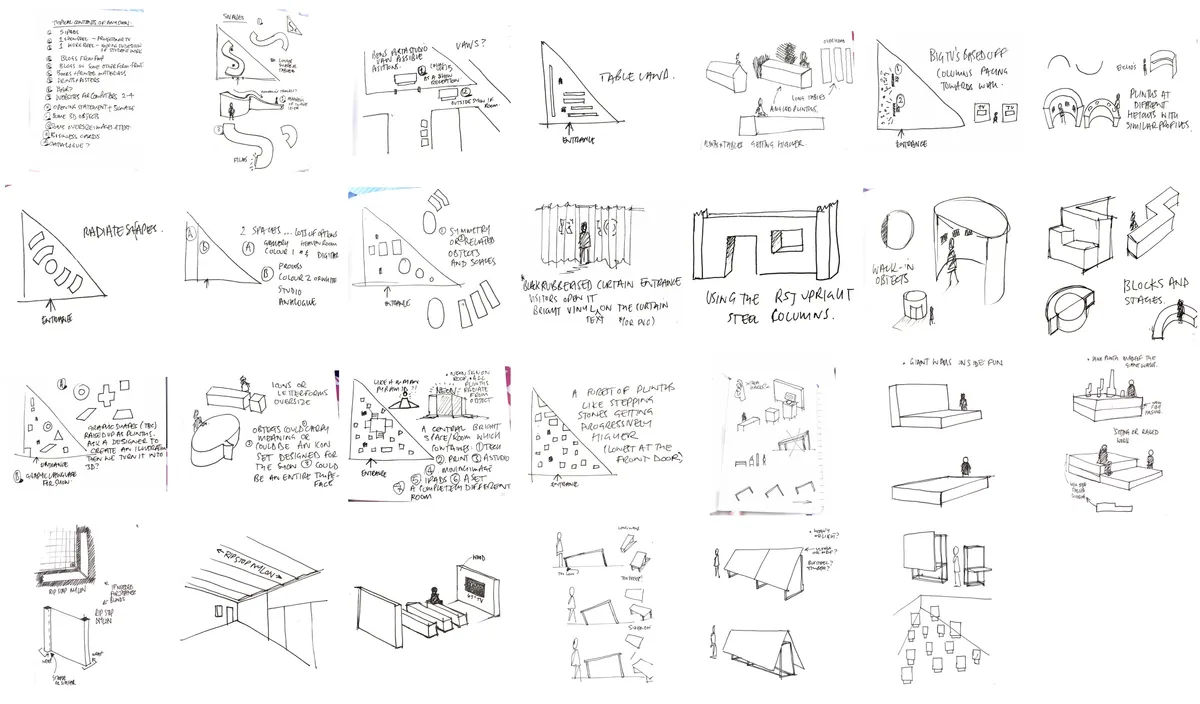
Part of critical thinking – and thinking beyond how something looks – involves storytelling through design, which Graham says is currently equally important to embracing tech. “In a saturated digital landscape, the ability to craft compelling, brand-centric narratives that resonate emotionally with audiences is invaluable," he says. "Designers must think beyond aesthetics, focusing on how every element – typography, colour, motion – contributes to the story a brand wants to tell.”
09. Tap into type

“Typography dominates our designed world. It is all about balancing aesthetics and utility, just like clothing. Yes, you want it to look a certain way, but you need it to work a certain way. Being tuned into the visual quality of type will allow you to choose typefaces that express the emotion and ideas you want your message to carry,” Terrance says. “Knowing the nuts and bolts of typography will allow you to master the performance of type on the page and screen. Form, size, weight, spacing, measure, and leading are just some of the knobs in your control. If the typography is good, you’ll have a solid foundation to build upon in any direction.” (See our what is typography explainer and top typography tutorials to get you started)
Susanna says skills in type is an important part of nurturing the fundamentals of design as a creative: “While designers must keep up with the rapid pace of technological and cultural shifts and embrace the mindset of perpetual learners, foundational skills like typography and core design principles, such as hierarchy and composition, remain timeless and essential for crafting compelling work.”
10. Follow your intuition

“Innovation comes from a deep heart-led wisdom and I would invite designers to listen to that feeling more closely. And trust it,” says Anna Gerber, writer, creative consultant and founder of Hurry Up, We’re Dreaming, an editorial and events platform where tech meets mysticism.
Following intuition can help designers to tune in to the real use cases of a project, leading to ideas that better resonate with clients or users. Letting go of conscious reasoning can lead to surprising and exciting outcomes.
“It’s easy to pick up software skills, learn how to code, and figure out how to make social media friendly designs,” she says. "Work that makes people sit up in their seats, work that gives people goosebumps because it’s like nothing they’ve ever seen or felt before doesn’t come from the head, it comes from the heart.”
11. Be generous with time
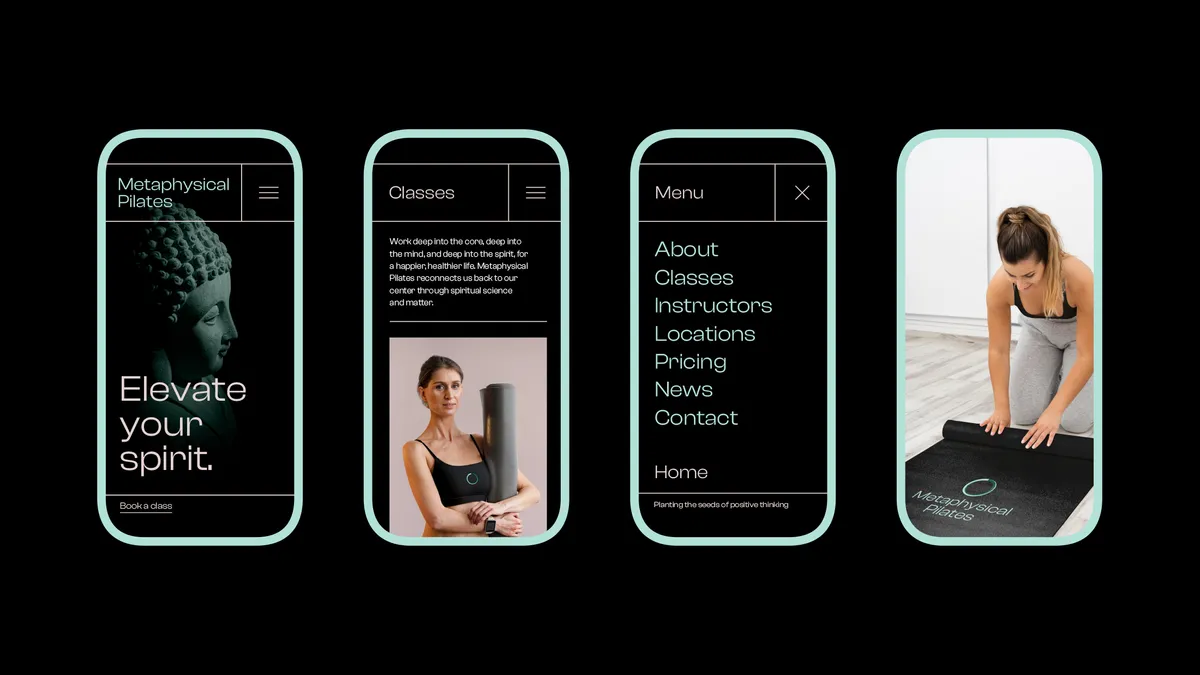
Anna also recommends a well-planned out design process without deadlines that are too tight or rushed execution, which can mean missing opportunities for exploration and innovation.
“There’s a tendency at the moment to draw clear boundaries around expectations and ways of working, which are important to respect,” she says. “But, there’s also something to be said for allowing ideas to percolate, giving ideas space to breathe and change and working with clients to evolve on work through creative exchange and collaboration. Don’t let your boundaries close you off to new, unexpected creative directions.”
12. Maintain resilience

Reflecting critically on decisions that may feel like mistakes can lead to empowerment. And accepting defeats along with successes can help make you a better designer, says Marina.
“The design industry is challenging, and setbacks are inevitable – whether it's losing out on a job or seeing your ideas rejected by clients. The ability to move forward, adapt and keep perspective in tough moments not only makes you stronger, but also helps you grow creatively.”
For more ideas to inspire you, see our favourite design portfolio examples and check out the winners of 2024's Brand Impact Awards.

