


For years, the Super Bowl has been described as the biggest stage in advertising. Therefore, it should come as no surprise that a 30-second ad has surpassed the $10m barrier for the first time. But lately, it’s started to look less like a stage and more like a film set.
Scroll through this year’s Big Game spots, and you’ll notice something different. Not just bigger budgets or shinier production values, but cast lists that read like IMDb pages. One celebrity is no longer enough, and brands are stacking as many as they can into a slot that is viewed by millions. From musicians and actors to athletes and creators, it feels less like an advert and more like a cultural crossover event.
The Super Bowl ad break has quietly become the era of the ensemble. While this might feel like an American spectacle, the strategy behind it has real implications for UK brands planning campaigns around tentpole events, such as the World Cup.
But this isn’t simply a case of brands throwing money at famous faces in a bid to create the best Super Bowl ads of the 2020s. It’s a sign of something deeper. It is a shift towards how audiences pay attention now.
The price of attention is rising fast
Data from XR’s analysis of Super Bowl advertising shows just how dramatically the economics have shifted.
Between 2020 and 2025, estimated celebrity talent payments for in-game ads grew more than 35 percent, rising from $187m to $253m. That’s not simply inflation, but it reflects a fundamental shift in how brands create their content.
In 2025, 61% of Super Bowl ads featured celebrity talent. But the bigger story is how many celebrities appeared per ad. Ensemble casts included 68 celebrities in 2020, growing to 92 just five years later. Last year, twenty-eight ads used ensemble casts, accounting for an estimated $253 million in total celebrity payments. In other words, brands aren’t just hiring stars, they’re building all-star lineups.
There’s also a steep premium attached to the moment itself. The average payment per celebrity during the Super Bowl is now around $2.63m, which is roughly five times the typical year-round campaign rates.
That’s a serious bet, and no brand makes that kind of bet without expecting something more than awareness.
From endorsement to event
Historically, celebrity advertising has leaned on endorsement, and that is one recognisable face to lend credibility or fame to a product. But the ensemble approach shifts the role of talent from endorsement to entertainment.
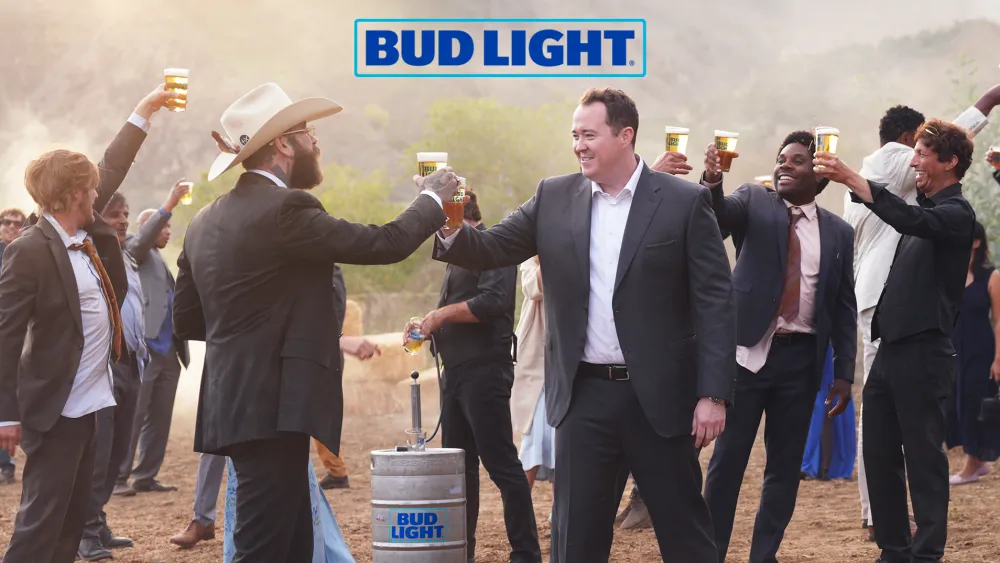
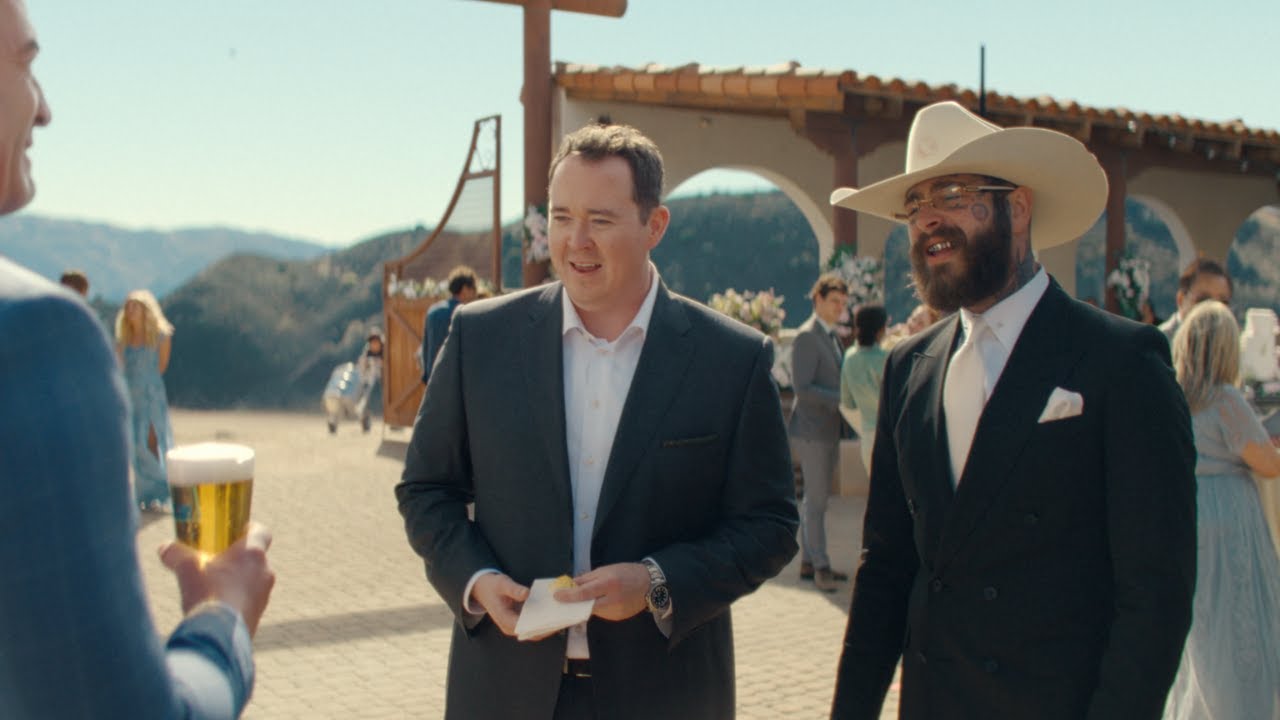
Multiple celebrities allow brands to play with contrast and chemistry, including the unexpected pairing, the generational crossover, and the ‘meme-able’ cameo. It gives viewers something to talk about beyond the product itself. For example, this year’s Bud Light ad sees NFL legend Peyton Manning alongside rapper Post Malone and comedian Shane Gillis, a trio that would never normally share a stage, but together broadens the ad’s cultural reach across audiences in one hit.
In a splintered media landscape, talkability is the real currency, and a single A-lister might secure attention, but three or four can create a moment.
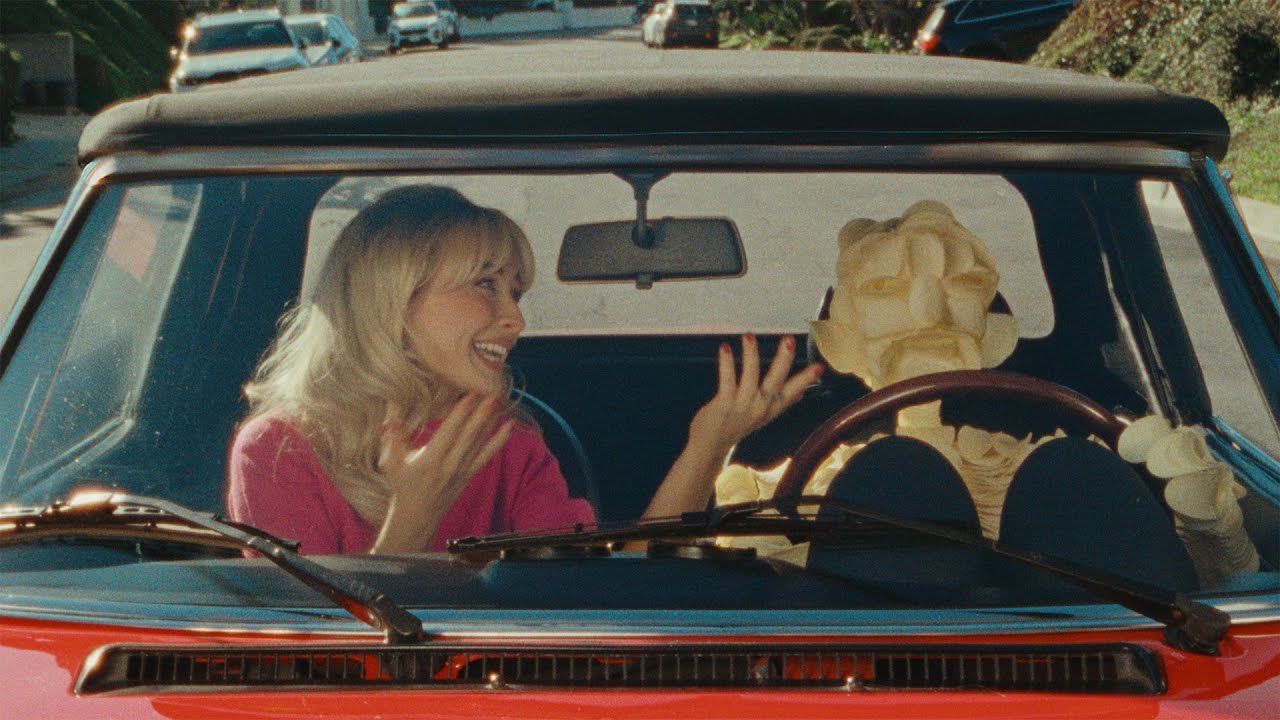
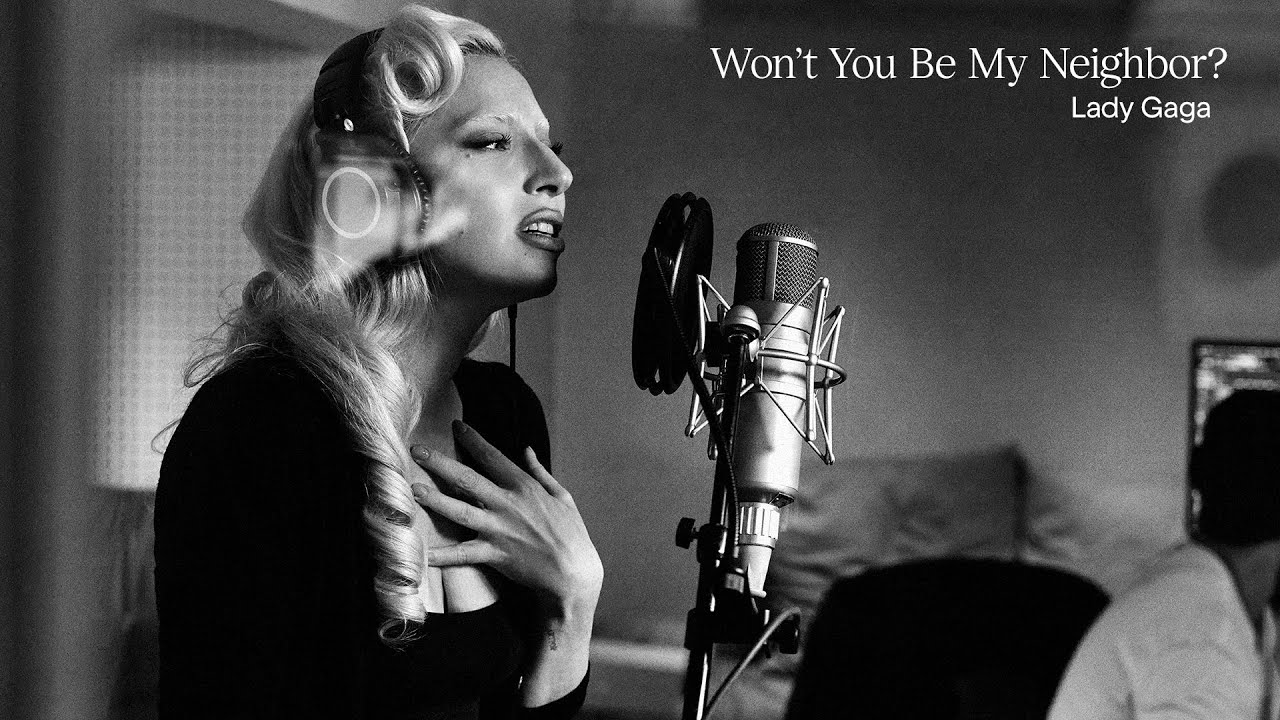
It’s also telling who’s showing up. Musicians, for example, appear at nearly twice their year-round frequency during the Super Bowl, accounting for more than 20% of celebrity spend. This year, expect to see Sabrina Carpenter appear for Pringles and Lady Gaga star for US-based Rocket Mortgage and Redfin. Music carries cultural heat, fandom, and social shareability, exactly the ingredients brands want when fighting for relevance in real time.
At the same time, new categories like content creators are gaining ground. While still a small share overall, their presence has grown sharply in recent years, signalling that influence isn’t confined to Hollywood anymore. For brands, that opens up a more flexible playbook to help them deliver a sharper cultural relevance for a fraction of the cost.
Why this matters beyond the US
It’s tempting to dismiss Super Bowl behaviour as uniquely American. Few markets can justify those budgets, but the strategic logic travels well.
The UK has its own mass cultural moments. The World Cup, Six Nations, the Euros, Wimbledon, major reality TV finals, and even the Christmas advertising season. These are the times when fragmented audiences reconverge, and brands compete for disproportionate attention.
What the Super Bowl shows is that brands are increasingly treating these events like entertainment launches rather than media placements. They’re even hiring big-name Hollywood directors to helm their productions, from Ben Affleck directing Dunkin’ Donuts and Stella Artois ads to Top Gun: Maverick and F1 director Joseph Kosinski leading this year’s Michelob Ultra spot.
Celebrity ensembles are one way to do that, but the deeper principle is about cultural density. More hooks, more entry points, and more reasons for different audiences to care.
Turning insight into action
So what should UK brands and agencies actually do with this?
First, think in casts, not faces. If talent is part of your strategy, consider combinations that broaden appeal rather than relying on one expensive name. Contrast often creates more interest than star power alone.
Second, match talent to behaviour, not just fame. Musicians, athletes, and creators each bring different fandom communities and platforms. The goal is distribution of attention, not just recognition.
Third, design for shareability from the start. The best ensemble spots create moments people want to clip, meme, or debate, turning ads into social content rather than one-off films. When viewers feel compelled to engage, your message travels far beyond paid placements while extending reach, relevance, and ROI.
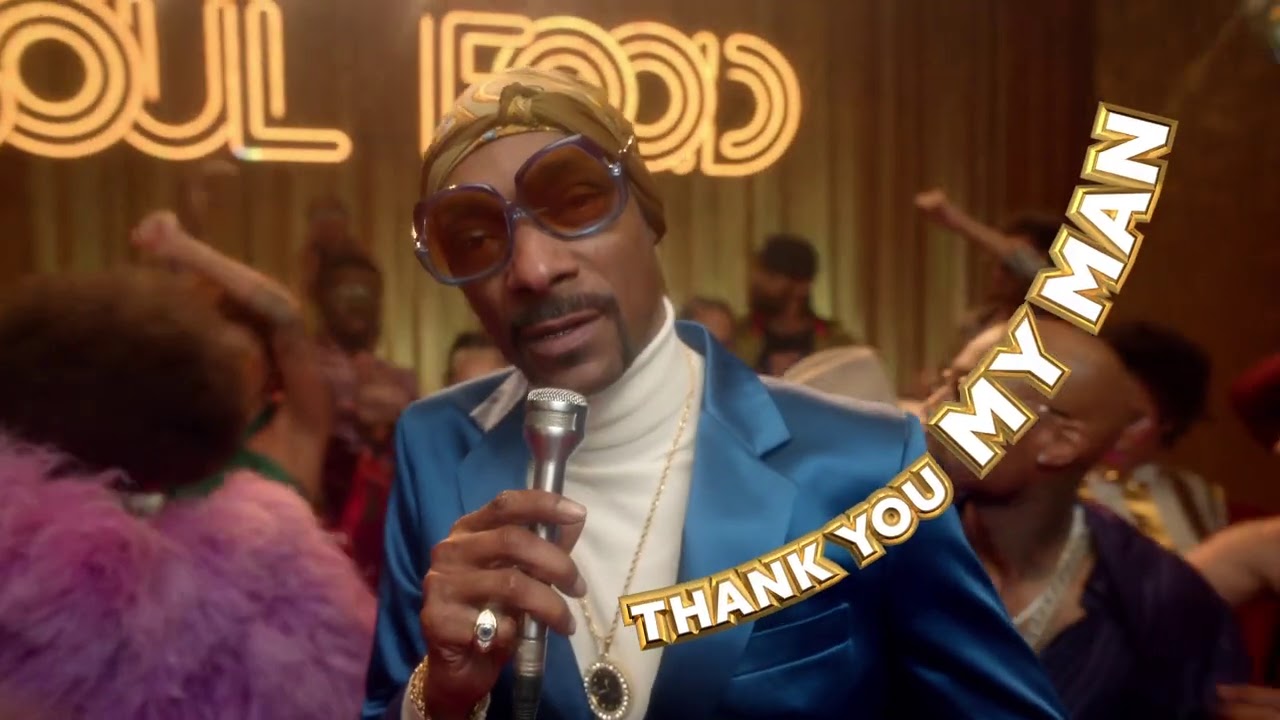
Finally, be intentional about scale. You don’t need Super Bowl budgets to think like the Super Bowl. Just Eat proved this by pairing playful creative with recognisable talent like Snoop Dogg, Katy Perry, and most recently Craig David. The brand has generated culturally relevant and shareable campaigns that cut through across social and TV without relying on a massive global buy.
By treating talent, partnerships, and cultural references as strategic levers rather than extras, even smaller campaigns can achieve big, culturally resonant moments that punch above their budget.
The bigger shift
The rise of ensemble casting says less about celebrities and more about audiences, because attention is harder to earn and easier to lose. It is increasingly tied to culture rather than media weight alone.
The brands winning the biggest stages aren’t simply buying reach, they’re buying relevance.
As major sporting and cultural moments approach in the UK, the question isn’t whether to follow the Super Bowl playbook beat for beat. It’s whether your creative is ambitious enough to deserve the moment you’ve paid for.
Because when the whole country is watching, looking ordinary is the most expensive mistake of all.
For more on the Super Bowl, see this piece on Budweiser's 2026 ad.

