
Modern America is built upon car culture. The first Model T rolled off the assembly line in Michigan 117 years ago. Since then housing and transportation are the two largest areas where Americans spend their time and their money. Automobiles are in our bones and EVs have promised a new and cleaner future, making roads safer and our environment better (a fact that British brand Jaguar's controversial rebrand hung onto).
But the last decade has been tough on EVs as well as the American pocketbook and psyche. The first mass produced Tesla came off the assembly line in 2012, some 14 years ago. Back then Obama was President and we were recovering from the Great Recession. Since that time we’ve had a global pandemic, multiple international conflicts, polarizing politics, and the tsunami of AI that has fundamentally shifted markets.

As a society we are naturally a bit exhausted and when we look at ourselves and our once iconic brands, we don't recognize a lot of what we would consider quintessentially American. EVs have not fared any better. Safety issues have plagued Tesla and other car makers. EVs are too expensive. Autonomous cars like Waymo and other Robotaxis have been spotty, eroding widespread adoption. We have also seen a few EV brands sadly fizzle. The collapse of the Fisker Ocean, now an EV orphan sold to ride-hailing services, is an example of the continued tension between EVs possibilities and economic realities. On top of this, regulatory changes, incentive pullbacks, and high interest rates have continued to soften the EV market in the last two years, reducing economic investment.
But there is a massive and positive evolution on the horizon for EVs in the US. Solid State batteries are slated to become mainstream, making charging faster, a mere 5 minutes, and providing a much safer alternative to Lithium Ion. China’s BYD just surpassed Tesla in revenue for the first time, showing that EVs in other countries are not only viable but truly thriving. In the US, Ford’s BlueOval City in West Tennessee is set to be one of the world’s largest EV manufacturing campuses.

When it comes to vehicles, several emerging models are worth considering as harbingers of our near-term American EV future. The Slate truck, backed by the likes of Jeff Bezos, Mark Walter, and Thomas Tull, is an affordable ($25K-$27K) EV that is highly customizable. The reboot of the Scout Motors brand brings back an American classic, with a new EV framework from Volkswagen Group that seeks to rival the Bronco and Wrangler. The Rivian RX3 launching next year takes the hot hatch to a new level and brings back the feeling of the AMC Eagle of the '70s. Even micro EVs such as the Telo truck are selling a more flexible and utilitarian solution that is positioned to make EVs a household must-have.
For Americans to really connect with EV brands they need to become less mysterious and more easily understood and maintained. O'Reilly and Auto Zone are each generating roughly $18.9 billion in annual revenue. This is because people love having agency over their cars and selling parts is where the money is. From a brand perspective, American consumers hunger for an emotional connection with their vehicles. It's not just about features or price. It’s about meaning.
Derek Bieri of Vice Grip Garage on YouTube has 2.44M subscribers and a deep love for old Buicks. I’m a huge fan. Derek has built a multimillion-dollar brand off of the universality of the American car and the community, problem-solving, and the individual tangibility of fixing up your old car and sharing and passing on that knowledge. To succeed, EVs need to capture and retain this kind of automotive tangibility. What this means is great EV brands must build from what we love and connect with when it comes to cars – knowable, real, practical, iconic, and something we can truly afford and make our own.
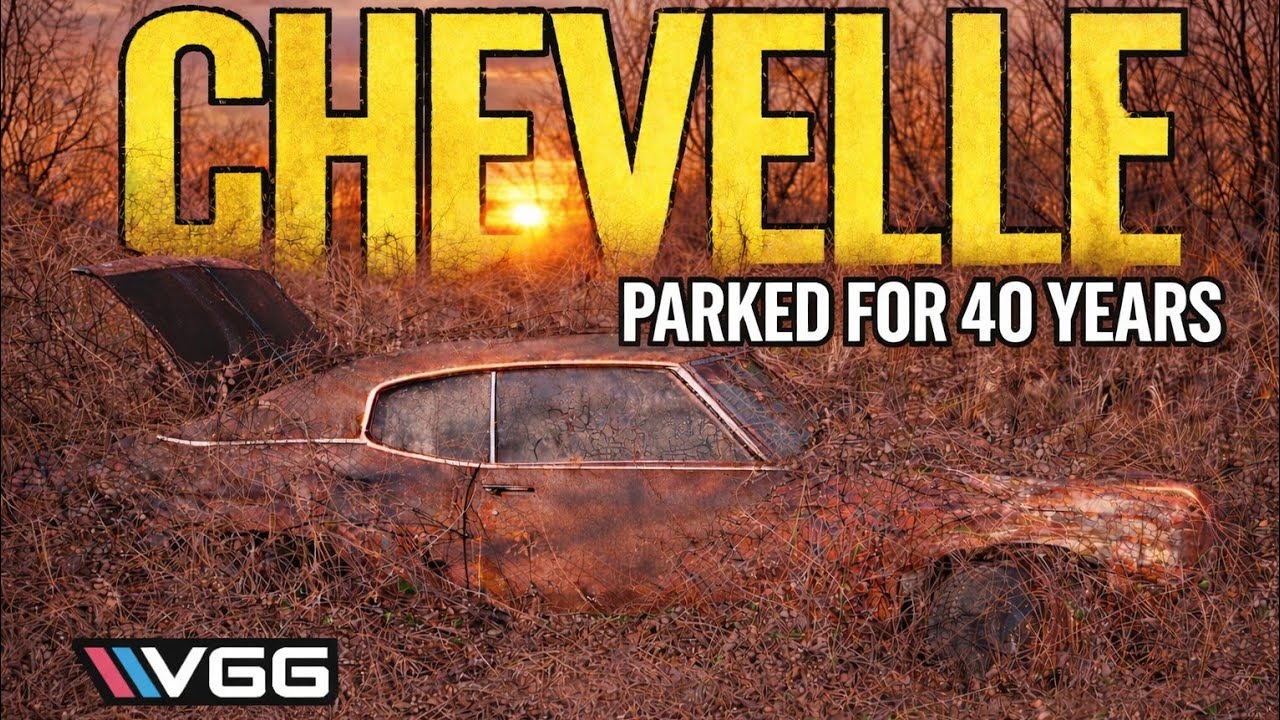
To get us over the EV hump, the American consumer must believe in the brand and the car, and EVs must tap into our deeper connection with the automobile. The last 130 years of American growth and prosperity have been fundamentally tied to getting out there, the open road, and the cars and other vehicles that embody this freedom and spirit. I think that we hunger for a simpler and more iconic era of Americana. Before the world got so weird. A world of sensible grocery getters, garage-built hotrods, and family cars passed down from parent to child. Cars that are an expression of you and that you could fix yourself and could afford to maintain.
As we all continue to navigate a moment of extreme technological and socio-cultural disruption, we will look to brands that give us a window into the best of our culture and spirit while being firmly rooted in all the best that tomorrow will bring. As we look to build trusted brands that stand the test of time, customers seek out the authentic, timeless and familiar. The Grenadier is a perfect example of our more universal desire for automotive authenticity and a connection to the classic and iconic.
America is ready for the great American Electric Car brand. It could be a name we already recognise – GM, Ford, Scout, or Rivian. Or it could be a new player who knows how to leverage story, history, iconic-ness and innovation that we can all understand, identify with, and can put a wrench on. Whoever it is, their brand will have a connection to a new kind of Americana written all over it. What’s your bet?
