
Late last year, the release of Grand Theft Auto VI was pushed back…again.
The game is stuck in development purgatory and even if it does launch as it’s slated to in November 2026, it may not yet be the finished article.
That leaves Rockstar facing an uncomfortable question:
'How long can you keep fans waiting before anticipation curdles into fatigue, frustration and finally indifference?'
The actual launch is the 'easy' bit for brands. Getting to that point, while sustaining excitement is the bigger challenge. Hype is a powerful tool, but it needs to be cultivated in the right way. Is Rockstar now just stringing loyal gamers along?
GTA VI is no longer just a sequel. It’s become mythologised as the 'future of gaming'. That’s a daunting expectation for any product to meet.
So is the video game publisher set for a fall? And what lessons can other brands learn from the gaming giant?
Balancing hype with clarity
Fans understand that massive games take massive time. And most are patient. But only if you respect them, and if you talk to them.
What they won’t tolerate is being left in the dark or delivered something that clearly wasn’t ready.
Take Football Manager’s most recent release, which was so patchy it was nearly unplayable, followed by delayed updates and vague communication. It wasn’t the bugs alone that angered people but rather the sense that Sports Interactive, the game’s developer, wasn’t being straight with them.
Fans don’t want this. Triple AAA games (aka big budget games) especially need time for developers to get the launch right. But in the meantime, it’s essential there are clear updates that keep fans in the know.
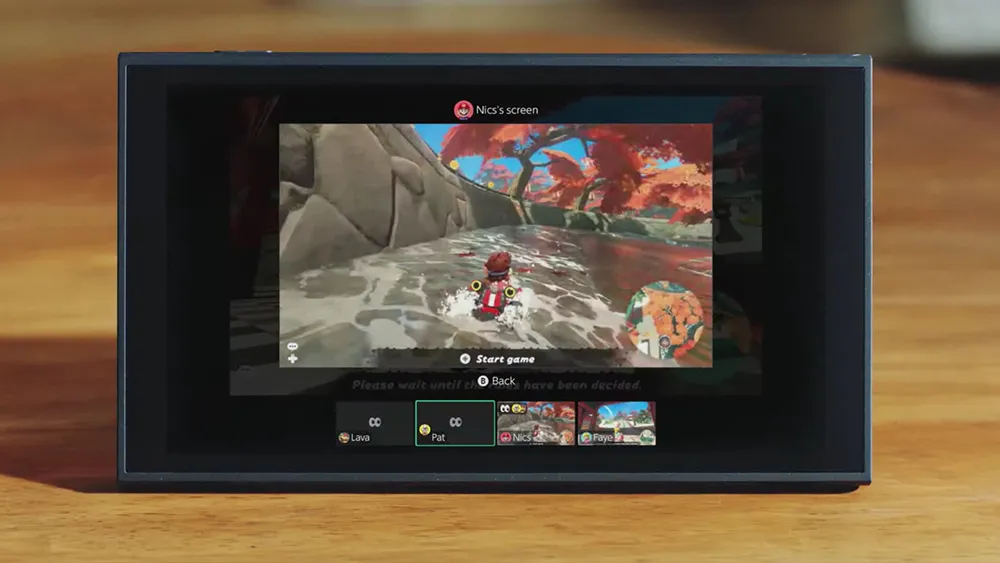
Nintendo has done this very well in the past. Following the failure of the Wii U, its next console, the Switch, needed to be a success
On paper, Nintendo’s master stroke was explaining the product in one sentence: the Switch is the 'home console you can take anywhere'. It leant into the use cases, not the spec – meaning that expectations were managed. No overpromising on performance, on graphics, on RAM. If you could take the console 'anywhere' (spoiler: you could), then Nintendo had met the brief.
As my colleague Niklas points out, specs have never really been the primary selling point for Nintendo consoles anyway. But unlike the Wii U, the Switch embodied everything that’s special about the Nintendo brand, and the gaming experience it provides.
Which is why the hype around the Switch 2 wasn’t dented when Nintendo hiked the price. Nintendo doubled down on the Switch’s value proposition, and made it crystal clear: this console is the last word when it comes to gaming in the same room as your friends. Simple.
Even the first iPhone launched without things we now consider essential
Even the first iPhone launched without things we now consider essential. There was no App Store, no copy/paste, no 3G, no video recording. But Apple stayed honest about what the product was, not jumping to what it might someday become. They kept expectations tethered to reality.
Rockstar has done the opposite. By letting speculation and wish-lists dominate the conversation, it has ceded control of the narrative. Now GTA VI is competing not just with other games, but with an idealised fantasy of what gaming 'should' be.
The importance of interim storytelling

Marvel had this exact problem, with multi-year gaps between Avengers films. The studio chose to focus on expanding the world people already loved. Of course, it still teased what was coming next – Marvel’s post-credit scenes became iconic in their own right. But they didn’t rely on this, and made use of other cultural touchpoints.
Side stories were created that still had stakes. Solo films and series on Disney+ like WandaVision, deepened the cinematic universe and fans’ connections with the characters (even Ant-Man). Crucially, without overshadowing the broader narrative arc, which culminated with each Avengers movie, which worked brilliantly.
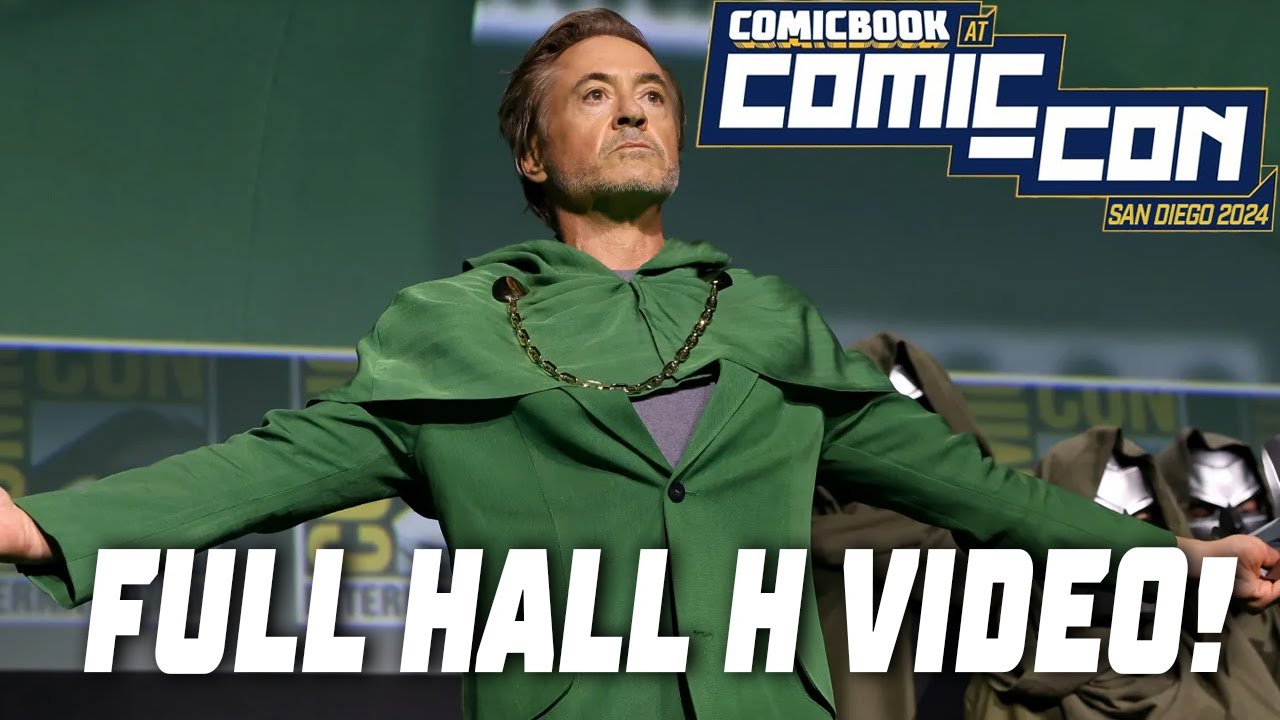
Well, pre-Endgame, anyway. Since then, the studio has overly-relied on tactics that worked during that period – bringing back Robert Downey Jr to the franchise, for example, is fairly harmless fan service at best, and outright lazy at worst.
Fans have been willing to give franchises they love a chance; going along with build-up even if the final product doesn’t deliver the first time. But eventually, they lose patience.
It’s easy to lean into the excitement that fans already feel for things they love, and assume that they’ll be happy with whatever is served up
Look at Stranger Things. Ahead of the final season, Netflix got its marketing efforts pretty much spot on, with immersive, real-world exhibitions and events that fuelled fan excitement. Ultimately, though, for many fans, the series was an abject failure, unimpressed by rushed character arcs, and poor writing. There were even rumours of a 9th episode which would be the 'real ending'. Another spoiler: there wasn’t, even if Stranger Things fans managed to crash Netflix on the 'launch day'.
Brands can’t afford to get carried away. It’s easy to lean into the excitement that fans already feel for things they love, and assume that they’ll be happy with whatever is served up. Healthy build-up, that grows excitement, but avoids overly-inflating expectations is vital. And not everyone has gotten that right.
The Cyberpunk lesson
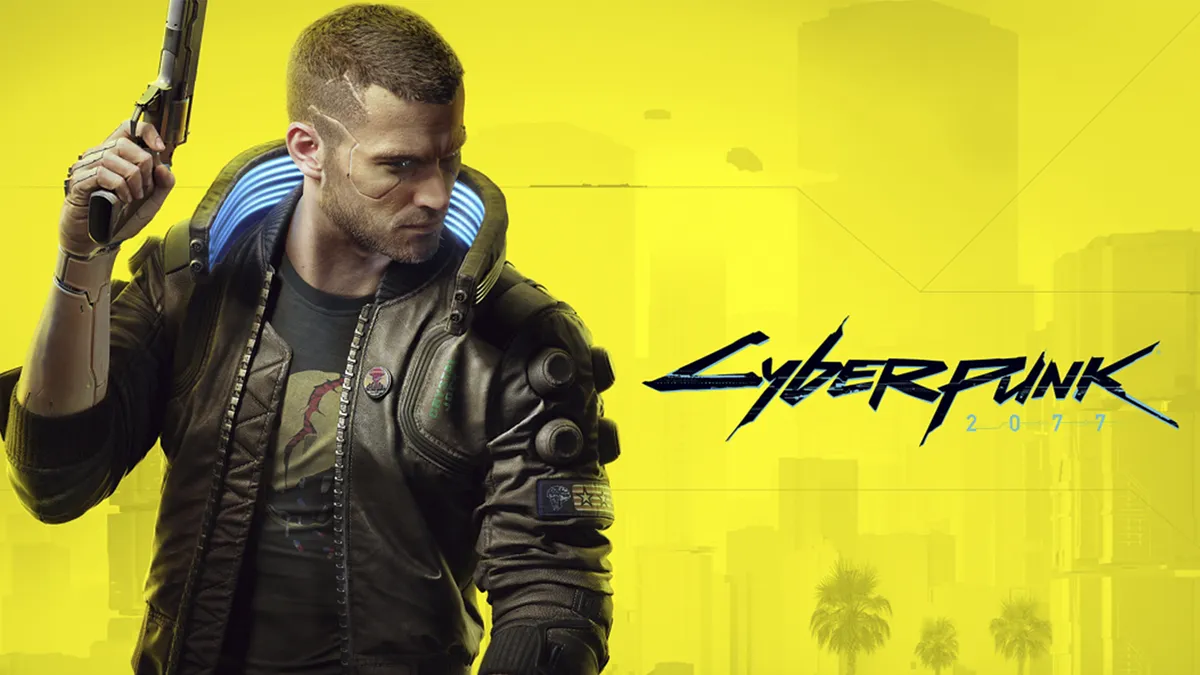
Naturally, people get excited about product launches that could herald “the future” arriving – but only if they are actually usable once it does.
Cyberpunk 2077 – a widely anticipated action role-play game (RPG) – is a cautionary example for GTA VI. Announced in 2012 and launched eight years later, it was framed during that time as a generational leap in gaming, a new benchmark for immersion. And it’s the years of cumulative suggestion that meant the game was such a let-down when it finally arrived. Cyberpunk was competing with an idealised version of what gaming was supposed to become.
The fact that the game didn’t actually work properly deepened the disappointment. It was so bad on last-generation consoles that Sony pulled the game from the PlayStation Store. It was utterly humiliating. It damaged CD Projekt Red’s credibility - and share price.
GTA VI faces a similar risk. It’s too late now to shrug off its mantle as the 'next generation of gaming'.
Trust as currency
For the record, I think GTA VI will still be a resounding success, commercially speaking. People’s desperation to play it will guarantee that. But whether Rockstar will keep the trust of its fans is another matter.
Hype fatigue is caused by letting expectation run ahead of reality. The brands that manage long gaps best are the ones that keep their audiences anchored in what already exists, and double down on the factors that made people care in the first place.
Because when anticipation becomes mythologised, even a brilliant product can feel like a disappointment. And trust, once lost, is far harder to rebuild than hype ever was.

