Every time I get my hands on one of the best 2-in-1 laptops for creatives, I'm left wondering whether there's still a market for them. From these types of devices, I'm usually craving portability, usability, and affordability – all things I can get from most recently released tablets.
That said, 2-in-1 laptops and tablets are not the same product. The former are fully featured PCs that convert into a tablet. They often offer superior performance, extra ports, and multi-tasking capabilities. Tablets are, on the other hand, mobile-first devices that are limited to apps rather than desktop software.
There's a lot of overlap, but I'd like to give three reasons why there's still appetite within the industry for 2-in-1 laptops. At the same time, I'd like to make an appeal to laptop brands to push the hardware boundaries and make them a serious alternative to the very best tablets, like the iPad Pro (M5). If this doesn't happen, I think in five years' time 2-in-1 laptops might be as dead as a dodo.
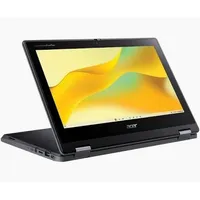
1. Ergonomics and lap-ability
Okay, I might just have made that word up, but you know what I mean. A tablet with a keyboard cover is a kickstand experience. The keyboard isn't integrated into the chassis of the tablet, and therefore, using one on a bus, a cramped aeroplane tray, or while lounging on a sofa is an absolute nightmare.
2-in-1s like the Spin 311 have a rigid hinge, which means it stays exactly where you angle it. The fact that it acts as one unit makes it much easier to use when on-the-go without the concern of the device toppling to its death.
Some 2-in-1s, such as the Lenovo Chromebook Duet have designs where the keyboard and back kickstand are two separate magnetic pieces but I think 2-in-1s should stick with a solid hinge that enables them to take full advantage of that rigidity.
2. Superior port selection
With most modern tablets opting for a single USB-C port, users are forced to either buy an expensive and clunky dongle/hub or ditch the peripherals that are so often required when performing more demanding creative tasks. In pursuit of simplicity, I think many tablet brands have limited the usability of their products.
2-in-1 tablets, on the other hand, feature an array of ports, making them significantly more versatile and useful to creatives. The Spin 311, for example, boasts two USB-C ports, two USB-A ports, and a dedicated headphone jack. If you need to plug in a USB drive, a mouse, and a charger at the same time, then the 2-in-1 wins hands down.
For 2-in-1s to continue having an appeal amongst creators, I believe they need to hold the line on providing extensive port options. There is, of course, always a battle between portability and extendability, but 2-in-1s will continue to thrive while they still appeal to the needs of creatives.

3. Full desktop OS
The difference between a 2-in-1 with a full operating system (OS) like Windows or macOS and a browser-first or mobile tablet (like an iPad or Android tablet) usually comes down to the difference between consuming content and creating it.
Tablets have a lot of benefits, but the lack of a full OS is clearly not one of them. Full OS access on a 2-in-1 offers a number of grown-up advantages that a browser-centric experience just can't match.
One of the best things about 2-in-1s is the ability to meaningfully multitask. Tablets have improved, but they still mostly rely on Split View or Stage Manager. 2-in-1s allow users to have four, five, or six windows visible at once, resized exactly how they want them. This is essential for complex creative workflows.
Despite the likes of Apple and DaVinci producing their high-end video editing suites for the iPad, there is still a lot of pro software that simply doesn't exist, or is severely watered down, on mobile operating systems. Users who want access to CAD software or specialised coding IDEs as well as versatility will still require a 2-in-1.
The future of 2-in-1 laptops
We're currently at a fork in the road. Tablets are becoming so good that the reasons to buy a 2-in-1 are becoming increasingly few. For 2-in-1s to continue, manufacturers will need to lean into what sets them apart and steer clear of making them too much like their tablet counterparts. That means maintaining ergonomics, retaining a broad port selection, and sticking with a full OS. If they fly too close to the design of tablets, then I think they might end up like Icarus.
For more on tablets, see the best iPad for drawing.